
I’ve spent twenty years standing on the line at the club, and if there’s one thing I’ve learned, it’s that people love to overcomplicate the simple stuff. I see folks buying high-tech electronic locks or expensive biometric safes, thinking that’s what real security looks like, while they leave a bright orange piece of plastic sitting on the bench next to them. They treat the basics like an afterthought, but they need to understand that knowing how to use a chamber flag isn’t about fancy gear; it’s about the discipline of the check. I’ve watched enough well-meaning shooters get sloppy during the transition from shooting to cleaning, and that’s exactly when the danger creeps in.
I’m not here to sell you a lifestyle or a piece of overpriced equipment. I’m going to show you the unglamorous, practical reality of making that flag a permanent part of your routine. We’re going to talk about the specific moments where it matters most—from the moment you clear the action to the second you close your range case—so that safety becomes a reflex, not a chore. Get these habits down right, and you won’t have to worry about the “what ifs” ever again.
Beyond the Basics of Clearing a Chamber Visual Check
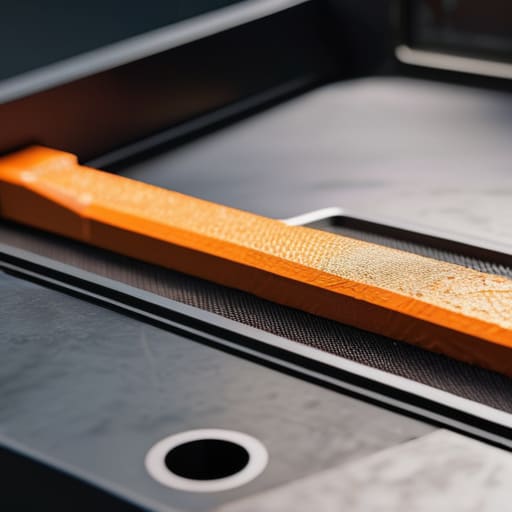
Now, most folks think they’ve done their job once they’ve pulled the slide back or cycled the bolt. They see the brass is gone, they think they’re golden, and they move on. But I’ve stood on this line long enough to see that “seeing” isn’t the same as knowing. A visual check is a good start, but it’s prone to human error—especially when you’re tired or distracted by conversation. That’s where the empty chamber indicator stops being a suggestion and becomes a necessity. It’s a physical, bright, unmissable signal that bridges the gap between “I think it’s clear” and “I know it’s clear.”
When I’m running through my standard range safety officer procedures, I’m not just looking for an empty hole; I’m looking for that flag. Relying solely on a quick glance into the ejection port is how habits turn into mistakes. You want to make the flag part of your firearm inspection techniques so that it becomes muscle memory. Don’t just glance at it—verify it. If that bright piece of plastic isn’t sitting right there in the chamber, you haven’t finished the job.
Mastering the Empty Chamber Indicator Habit
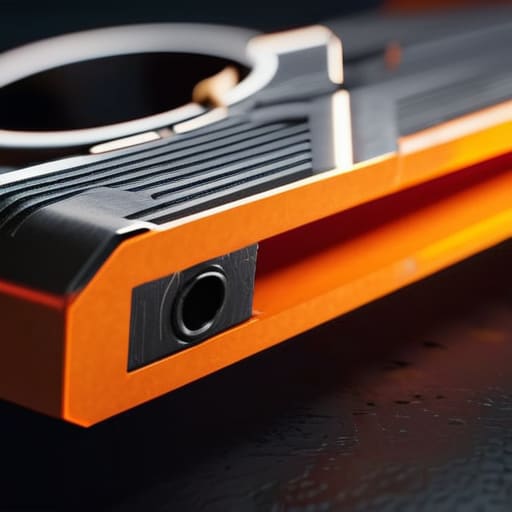
I’ve spent twenty years watching people clear their guns, and I can tell you that the most dangerous moment isn’t when someone is shooting; it’s when they think they’re done. You perform your clearing a chamber visual check, you see the empty brass, and you feel that sense of relief. That’s exactly when the brain starts to wander. This is where the empty chamber indicator becomes more than just a piece of bright plastic; it becomes a physical stopgap for your own mental fatigue.
I don’t care if you’re just moving a rifle from the bench to the gun rack or packing up for the day. You make it a rule: the flag goes in the moment the action is open. If I see a shooter clear a chamber and then immediately set the rifle down without that flag, I’m stepping in. It’s about building firearm safety protocols into your muscle memory so you aren’t relying on your eyes when you’re tired or distracted. Make the flag part of the clearing process, not an afterthought you deal with once the gear is already stowed.
Five ways to make the flag more than just a piece of plastic
- Don’t rely on the flag to do the clearing for you. You still run the cycle, you still look into that chamber with your own eyes, and then you slide the flag in. The flag is the confirmation of the work you already did, not a substitute for it.
- Match your flag to the tool. If you’re running a semi-auto, use a flag that actually fits the geometry of that specific ejection port. A flag that’s too small can get bumped or wedged in a way that makes it look seated when it’s actually just dangling.
- Make it a part of your gear’s “home.” I keep mine tethered to my range bag or clipped right to my cleaning kit. If you have to go hunting through a junk drawer every time you head to the club, you’re eventually going to skip the step.
- Use color to your advantage. I like the bright, obnoxious orange ones. If you’re working in a dim garage or a crowded club bay, you want that flag to scream “this is empty” from six feet away. If it blends in, it isn’t doing its job.
- Check the flag itself. I’ve seen folks try to use a cracked or warped piece of plastic that doesn’t sit flush. If the flag doesn’t stay put when you move the firearm, throw it away and get a new one. A flag that falls out is just a false sense of security.
The Bottom Line
A visual check is for you, but the chamber flag is for everyone else on the line.
Don’t wait for a moment of distraction to use one; make it a mechanical part of your clearing process every single time.
If you can’t see that bright piece of plastic, you haven’t actually finished the job of making the firearm safe.
Making it Stick
At the end of the day, a chamber flag isn’t just a piece of bright plastic; it’s a physical manifestation of a clear mind. We’ve talked about the visual check, the mechanical verification, and the importance of making that indicator part of your muscle memory. It isn’t enough to just know the steps; you have to actually do them every single time, whether you’re at a crowded range or just cleaning up in your own garage. If you treat the flag like an optional afterthought, you’re leaving your safety—and the safety of everyone around you—to chance. Make it a non-negotiable part of your workflow, from the moment you clear the action until the rifle is tucked away in its case.
I’ve spent twenty years watching people on the line, and the folks who stay in this sport the longest are the ones who respect the gear enough to respect the process. You don’t need to be a professional to be safe; you just need to be disciplined. When you reach for that flag, you aren’t just following a rulebook, you are building a lifetime of good habits. Get the unglamorous stuff right, and you’ll find that the actual shooting becomes a lot more focused and a whole lot more rewarding. Do it right, every time, and the rest will take care of itself.
Frequently Asked Questions
Is it okay to leave the flag in while I'm actually cleaning the action, or does that get in the way?
Leave it in. I’ve seen people get a little too comfortable while cleaning, thinking because they’re holding the tools, the gun is “safe.” It isn’t. If you’re working on the action, that flag stays in. It’s a visual reminder that you aren’t just cleaning; you’re managing a machine. If the flag gets in the way of your cleaning rod, then you’ve got bigger problems with your setup. Keep it in.
Does a chamber flag work for every type of firearm, or are there specific ones I need for my semi-autos versus my bolt actions?
The short answer is yes, but the way you use them changes. For my bolt actions, a flag is a simple, physical confirmation that the chamber is clear. With semi-autos, it’s more about the habit of visibility. Some modern platforms have specific magazine releases or bolt catches that make certain flags easier to seat than others. Just make sure the flag you’re using actually fits the bore without forcing it. If it doesn’t seat properly, it’s useless.
If I'm just moving a rifle from my safe to my range bag, do I really need to go through the trouble of inserting a flag every single time?
Look, I’ve seen people skip that step because they’re “just moving it across the room.” That’s exactly how a distracted moment turns into a mistake. If you’re moving a rifle from the safe to a bag, you’re changing its environment and your level of focus. Slide that flag in. It’s not about the distance you’re traveling; it’s about making the empty state a physical reality you can’t ignore. Make it a habit, every single time.




