I’ve spent twenty years standing on the line at the club, and I’ve seen more people freeze up over a stovepipe than I have people actually hit a bullseye. Most of the “experts” online will try to sell you some high-speed, tactical drill that looks great in a video but falls apart the second your heart rate climbs. They make it out to be this intense, combat-ready event, but that’s not how it works on a Saturday morning. Learning how to handle a malfunction safely isn’t about looking like a movie hero; it’s about slowing your breathing and respecting the mechanics of the machine in front of you.
I’m not here to give you a flashy seminar or a list of expensive gadgets to fix a mechanical hiccup. I want to talk about the boring, repetitive movements that keep you out of the hospital and keep your gear running. I’m going to walk you through the unseen habits—the specific, methodical checks that turn a moment of panic into a simple part of your maintenance routine. If you get these fundamentals right, the shooting takes care of itself.
Mastering the Tap Rack Bang Technique Under Pressure
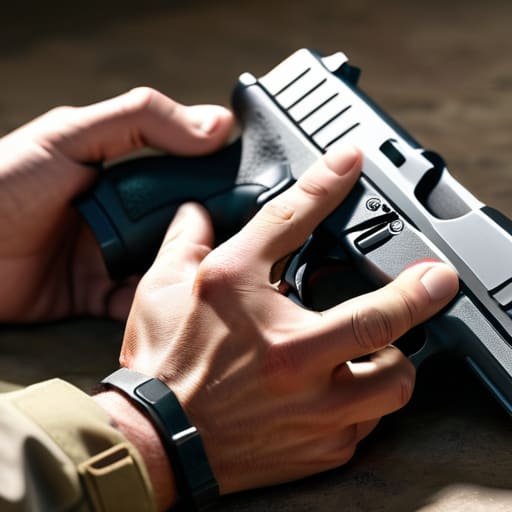
Now, when things go wrong mid-string, your heart rate is going to climb. That’s where the training separates the shooters from the spectators. You need to rely on the tap rack bang technique without thinking about it. First, you hit the bottom of the magazine—that’s the tap—to ensure it’s seated firmly. Then, you hit the slide release—the rack—to clear whatever obstruction was causing the hiccup. Finally, you bring the gun back up and press the trigger. It’s a rhythmic, mechanical process, and if you treat it like a muscle memory drill rather than a crisis, you won’t fumble the mechanics.
I’ve seen plenty of folks freeze up when they’re handling a failure to fire, staring at the gun like it’s a puzzle they can’t solve. If the tap and rack don’t do the job, don’t start improvising or pulling at the slide with both hands. That’s how you turn a simple stoppage into a real problem. Stay calm, stick to the procedure, and remember that consistency is your best defense against a bad situation.
Handling a Failure to Fire Without Losing Focus
The moment a striker hits a dud or a primer fails to ignite, your heart rate is going to spike. That’s biology, and you can’t fight it, but you can refuse to let it dictate your movements. Most people make the mistake of rushing; they treat a failure to fire like an emergency, when in reality, it’s just a mechanical hiccup that requires a procedural response. I’ve seen shooters try to force the trigger or frantically pull at the slide, and that’s exactly when things go sideways. You have to treat handling a failure to fire as a rhythmic part of your training, not a crisis.
Instead of reacting, I want you to lean into your training. Take a breath, reset your grip, and execute your malfunction clearance steps with the same slow, deliberate precision you use when loading a magazine. Whether you’re dealing with a simple dud or something more complex like double feed troubleshooting, the goal is the same: stay methodical. If you maintain your composure and stick to the mechanics, you’ll find that the “emergency” disappears before you even realize it started.
The Small Habits That Keep the Line Safe
- Keep your muzzle pointed downrange, even when you’re frustrated. A malfunction is a mechanical issue, not a reason to let your eyes wander or your barrel drift toward your feet.
- Don’t rush the clear. I see folks try to fix a jam like they’re in a race, and that’s when fingers end up where they shouldn’t be. Slow down, find the problem, and address it one step at a time.
- Always verify the chamber is empty before you even think about reaching for your cleaning kit or your bag. I’ve seen too many people get distracted by a failure and forget they’re still holding a loaded tool.
- Watch your grip during the reset. When you’re clearing a stovepipe or a double feed, your hands are moving near the ejection port. Keep your support hand clear and don’t let your grip get sloppy while you’re troubleshooting.
- Treat every malfunction as a potential live round until you’ve physically seen the empty chamber yourself. Never assume a “click” means the gun is safe; treat it like it’s loaded until the job is done.
The Habits That Keep You Safe When Things Go Wrong
Treat every malfunction as a mechanical process, not a crisis; slow your breathing, keep your eyes on the action, and never rush the clearance.
Master the physical mechanics of the tap-rack-bang until they are muscle memory, so your hands know what to do even when your brain is trying to panic.
Always prioritize the direction of your muzzle; a malfunction is a perfect moment to lose focus on where that barrel is pointed, and that’s when mistakes happen.
The Habit of Calm

At the end of the day, clearing a malfunction isn’t about how fast you can move your hands; it’s about how well you can control your breathing when things go sideways. We’ve talked about the mechanics—the tap, the rack, and the immediate eyes-on-the-breach check—but those only work if you don’t let the adrenaline turn your movements into a scramble. Whether it’s a simple failure to fire or a more stubborn stoppage, the solution is always found in the same place: slow, deliberate, and procedural steps. If you rush the clearance, you aren’t solving a problem, you’re just inviting a new one to the table.
I’ve spent twenty years watching people on the line, and the ones who truly master this sport aren’t the ones with the flashiest gear or the fastest draw. They are the shooters who treat a malfunction with the same quiet respect they give a clean reload. They don’t view a stoppage as a failure of their skill, but as a standard part of the mechanical process that requires a disciplined response. Keep your eyes on the chamber, keep your muzzle in the right direction, and trust your training. If you make these checks a part of your muscle memory, the shooting will take care of itself.
Frequently Asked Questions
What do I do if the malfunction happens while I'm transitioning between targets or moving through a course?
When you’re moving or transitioning, the instinct is to rush. Don’t. If that cycle breaks while you’re mid-stride or switching targets, you stop. Period. You find your footing, bring the muzzle to a safe direction, and address the malfunction right there. A malfunction during a movement drill isn’t a failure of your speed; it’s a test of your discipline. Stop, clear it, and only then do you continue the course.
How can I tell the difference between a simple dud round and a more serious mechanical failure like a broken extractor?
It’s all in the visual and the feel. If you clear the chamber and that casing is sitting right there, clean and intact, you’ve likely just got a dud. But if you see a dented rim, or if the brass is stuck halfway out like it’s fighting you, that’s your extractor or ejector telling you something is wrong. Don’t force it. If it doesn’t move easy, stop, clear the line, and look closer.
If I'm clearing a malfunction and a round suddenly discharges, what is the proper way to manage the immediate aftermath on a crowded line?
First thing: don’t freeze. If that round goes off while you’re clearing, you keep the muzzle pointed downrange—exactly where it was before. Don’t whip the gun toward the ground or your feet in a panic. Once the shot is spent, keep your eyes on the breach to confirm the status, then slowly bring the firearm to a safe, unloaded state. Only when the gun is clear and you’ve regained your composure do you look up.




