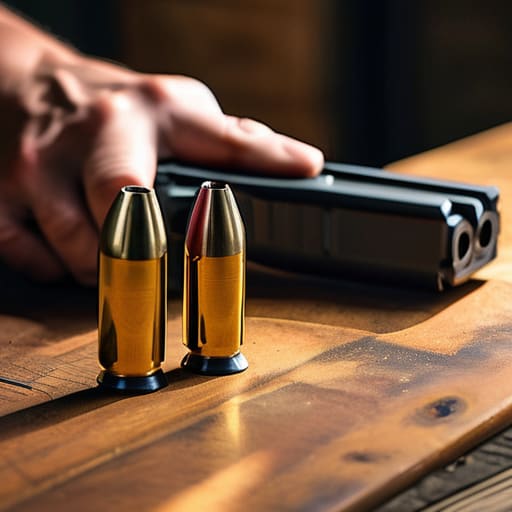
I’ve stood on the line for twenty years, and if there’s one thing I’ve learned, it’s that people love to overcomplicate things. I see shooters show up with five different tactical lights, high-speed cameras, and enough gear to outfit a small militia, yet they still haven’t mastered the basics of how to run a safety check before a range session. They think safety is about the equipment you buy, but after watching several thousand people cycle through that Saturday morning line, I can tell you that gear won’t save you from a bad habit. Most incidents I’ve witnessed didn’t happen because someone lacked a fancy optic; they happened because someone skipped the small stuff when they thought nobody was looking.
I’m not here to give you a lecture or sell you a training program that costs more than your first handgun. What I want to do is walk you through the unglamorous, repetitive checks that actually keep the people around you safe. We’re going to focus on the mechanical realities of your firearm—the stuff you do before you even think about touching a trigger. If you get these foundational habits down, the shooting part will take care of itself.
Mastering the Fundamentals of Clearing a Firearm Safely

When you first pull that case out of the truck, don’t just reach for the grip. I’ve seen plenty of folks rush the process because they’re excited to get their groups on paper, but that’s exactly when mistakes happen. The first step in clearing a firearm safely is making sure the tool is actually empty before you even think about your gear. I always tell my students to treat every single piece of equipment as if it’s loaded, even if you were the one who cleared it ten minutes ago. It’s about building a muscle memory that doesn’t rely on your memory, because memory fails when you get tired or distracted.
Once the action is open, you need to physically and visually confirm the chamber is empty. Don’t just glance; actually look into the chamber and use a finger to feel the empty space. I’ve watched new shooters skip this step, only to realize a round was seated deep in the chamber after they thought they were clear. This is where the firearm safety fundamentals really separate the hobbyists from the practitioners. It’s a slow, methodical process. If you aren’t being deliberate, you aren’t being safe.
The Ammunition Inspection Checklist You Cant Skip
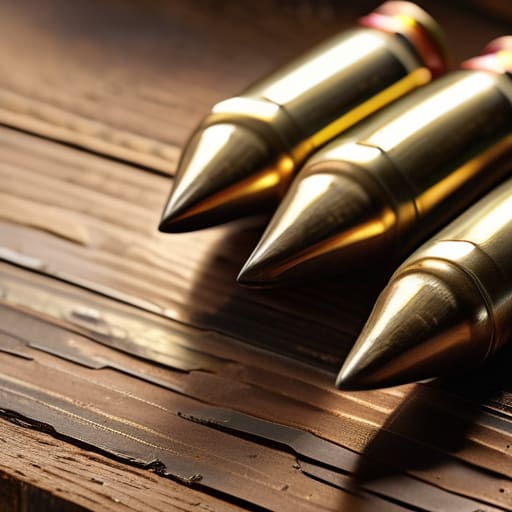
Most folks think the safety check starts and ends with the steel, but that’s a mistake. I’ve seen plenty of shooters clear a firearm safely, only to reach for a box of old, questionable brass that’s been sitting in a damp garage for a decade. Before you even think about loading, you need to go through a proper ammunition inspection checklist. I’m talking about looking for those tiny, subtle signs of trouble: bulging cases, primer discoloration, or even just a bit of corrosion on the rim. If it looks like it’s seen better days, leave it in the box.
It’s also about making sure your ammo actually matches what your tool is designed to do. I’ve watched too many people grab a box of slightly off-spec rounds because they were in a hurry to get to the targets. Stick to your known quantities. Part of your safe handling procedures should include a quick visual sweep of your magazines and loose rounds before they ever touch the feed ramp. Taking those extra thirty seconds to verify your brass is just as important as checking your chamber.
The Small Things That Keep You on the Right Side of the Rules
- Do not trust the “empty” feeling. When you pull that bolt back or rack that slide, look into the chamber with your own eyes. I’ve seen plenty of folks rely on a sense of touch or a vague memory of what they did five minutes ago, and that’s exactly how a loaded chamber finds its way into the mix.
- Check your brass before it hits the ground. I don’t care if it’s a brand new box or something you pulled from your range bag; look for cracks, heavy pitting, or any signs of corrosion. A bad primer or a dented casing is just a recipe for a malfunction that’ll have you fumbling under pressure.
- Make sure your gear is actually ready for the task. Check your magazines for spring tension and ensure your cleaning kit is actually in the bag. There is nothing more frustrating—or distracting—than getting settled on the line only to realize your equipment isn’t up to the job.
- Verify your workspace is clear. Before you even think about loading, take a look at your bench or your holster area. You don’t want a stray casing or a loose piece of equipment rolling under your feet or getting caught in your movement while you’re trying to focus on your fundamentals.
- Slow down the process. Most mistakes happen because someone is trying to rush through the setup to get to the “fun part.” Take an extra thirty seconds to run through your checks methodically. If you find yourself rushing, stop, take a breath, and start the sequence over from the beginning.
The Three Things You Carry Off the Line
Treat the clearing process like a ritual, not a chore; if you rush the mechanics of checking the chamber, you’re just inviting a mistake to happen when you’re tired.
Inspection isn’t just about the firearm itself, but the brass and the powder too—a single dented casing or a fouled primer is a problem you want to find in your hands, not in the chamber.
True safety is found in the repetition of the unglamorous steps, like double-checking your storage and your gear, because the moment you think you’re too experienced to need a routine is the moment you’ve become a liability.
The Routine is the Reward
At the end of the day, running a proper safety check isn’t about being paranoid; it’s about being professional. We’ve talked about the mechanics of clearing the action, the necessity of inspecting your brass for those tiny, dangerous cracks, and making sure your gear is actually ready for the work ahead. If you skip the chamber check or rush through your ammo inspection because you’re eager to get on the line, you aren’t being an efficient shooter—you’re being a liability. Slow down and do the work. When you make these steps part of your muscle memory, you stop thinking about the safety protocols and start focusing on the shot.
I’ve spent twenty years watching people on the Saturday morning line, and the ones who truly enjoy this sport are the ones who respect the process. There is a quiet confidence that comes from knowing, without a shadow of a doubt, that your equipment is safe and your habits are sound. You don’t need to be a master marksman to have a successful day at the range, but you do need to be disciplined in the unglamorous parts. Get those fundamentals locked in, treat your gear with the respect it deserves, and the shooting will take care of itself.
Frequently Asked Questions
What do I do if I find a piece of brass or debris stuck in the chamber during my initial check?
First thing you do is stop. Don’t try to force it or poke it with a screwdriver; you’ll just jam it deeper. Set the firearm down on the bench, clear of the line, and step back. If it’s just a bit of grit, a dedicated chamber brush might do it, but if it’s a brass fragment, you need a proper cleaning rod and a jag. If you aren’t sure, leave it alone and ask for help.
Is it enough to just check the magazine, or do I need to physically pull the slide or bolt back every single time?
Checking the magazine is a good start, but it isn’t enough. I’ve seen too many people assume a gun is empty just because the mag is out, only to find a round sitting in the chamber. You have to physically pull that slide or bolt back every single time. You need to see the empty chamber with your own eyes. Don’t rely on what you think is there; rely on what you’ve actually verified.
How often should I be re-running these checks once I've actually started shooting at the range?
You don’t need to do a full teardown every time you reload, but you should run your checks every time the gun changes state. If you’re moving from a loaded position to a holster, or if you’re transitioning from shooting to clearing the line for a break, you run the drill. Treat every transition like a reset. If the muzzle direction or the status of the magazine changes, your eyes and hands should be verifying the safety.




