
I’ve sat on the line for twenty years, and if there’s one thing I’ve learned, it’s that most people approach safety like it’s a chore to be finished rather than a way of life. I see folks buying high-end tactical gear and expensive range bags, thinking that stuff makes them safer, but they haven’t even mastered the basics. They think learning how to build a range safety checklist means printing out some fancy, laminated sheet from a manufacturer that tells them to “be careful.” That’s not a checklist; that’s a suggestion. A real checklist isn’t about following a corporate manual; it’s about the boring, repetitive habits that stop a mistake from becoming a headline.
I’m not here to give you a lecture or sell you on some complicated system that requires a degree to understand. I want to show you how to build a routine that actually works when your hands are shaking or the wind is picking up. We’re going to focus on the unseen checks—the stuff that happens before you even touch the trigger—so that the shooting part becomes the easy bit. If you do the unglamorous work right, you won’t just be a better shooter; you’ll be a safer one.
Refining Firearms Safety Protocols Before the First Shot
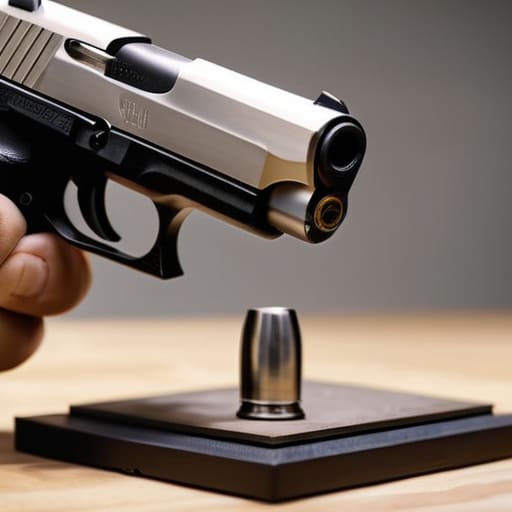
Before you even think about loading a magazine, you need to get comfortable with the manual checks that happen while the gun is still cold. I’ve spent twenty years watching folks rush this part because they’re excited to start shooting, but that’s exactly when things go sideways. Your checklist shouldn’t just be a list of rules; it needs to be a set of safety inspection steps that you perform mechanically. This means physically dropping the magazine, pulling the slide or bolt back, and looking into that chamber with your own eyes. Don’t just trust the feel of the trigger; trust what you can actually see.
When you’re refining your personal firearms safety protocols, you have to account for the “what ifs.” What if a round is stuck in the chamber? What if your eyes are tired? A good routine includes a momentary pause to reset your focus. I always tell my students that preventing firearm accidents isn’t about being perfect; it’s about building a ritual so deep that you do it even when you’re distracted. If your routine doesn’t include a physical verification of the bore, it isn’t a routine—it’s just a suggestion.
The Unseen Safety Inspection Steps That Save Lives
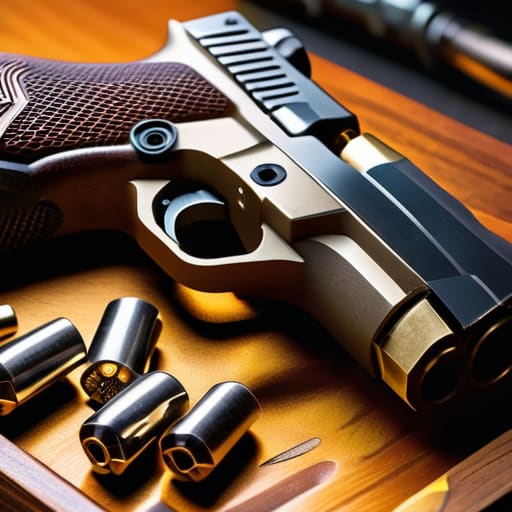
Most people think a safety check ends when you look into the chamber and see daylight. In my experience, that’s where the real work actually begins. If you want to get serious about preventing firearm accidents, you have to look at the things that aren’t immediately obvious. I’m talking about the mechanical integrity of the tool in your hands. Check your extractor for carbon buildup and make sure your magazine springs aren’t feeling sluggish. A firearm that fails mid-cycle isn’t just a nuisance; it’s a distraction that pulls your focus away from the fundamentals of control.
The next part of your inspection should focus on your gear, not just the gun. I’ve seen plenty of folks head to the line with a perfectly clear rifle but a loose sling or a holster that’s worn thin in all the wrong places. Part of your personal safety inspection steps needs to include a tactile sweep of your equipment. Tug on your belt, check your optic mounts for any sign of movement, and ensure your ear protection actually seals. If you aren’t inspecting the gear that holds the weapon, you aren’t truly ready to shoot.
The Five Non-Negotiables for Your Personal Checklist
- Start with the boring stuff—the clear-bore drill. I don’t care how much you trust your gear; your checklist needs a physical, visual confirmation that the chamber is empty before you even think about touching a magazine. If your list doesn’t force you to look into that chamber, it isn’t a safety list.
- Include a dedicated step for your environment, not just your hardware. That means checking that your bench is clear of loose brass, your eye pro isn’t scratched to hell, and your range bag isn’t a tripping hazard. A clean workspace is a predictable workspace.
- Build in a “gear status” check. This is where you verify that your belt is tight, your holster is seated right, and your magazine pouches aren’t loose. Most accidents happen when someone’s equipment decides to move in a direction it wasn’t intended to go during a draw or a reload.
- Add a step for your ammunition. It sounds simple, but you need to verify that what’s in your tray matches what’s in your magazines. I’ve seen too many folks grab a box of heavy grain or a different caliber because they were rushing. Slow down and check the headstamp.
- The final item on any list should be the “reset.” Before you pack up, your checklist needs to dictate a specific order for clearing the firearm, securing the ammunition, and stowing the gear. If you don’t have a set way to end the session, you’re just leaving safety to chance.
The Core Habits of a Safe Line
A checklist isn’t a list of rules to memorize; it’s a sequence of physical actions you perform every single time, without exception, until they’re as natural as breathing.
Focus your inspection on the things people tend to overlook—like the condition of your extractor or the integrity of your storage case—because that’s where the real trouble starts.
Real safety happens in the unglamorous moments between the shots, in the repetitive, boring checks that ensure your gear is as ready for the range as you are.
Making the Routine Second Nature
At the end of the day, a good range safety checklist isn’t about memorizing a list of rules; it’s about building a mechanical rhythm that works even when you’re tired or distracted. We’ve talked about the prep work, the gear checks, and those invisible inspection steps that most people skip because they think they’re “too experienced” to need them. But experience is exactly when you need these protocols the most. If your checklist covers the boring stuff—the chamber clears, the magazine seating, and the physical state of your brass—then you’ve done the heavy lifting. You aren’t just checking boxes; you are eliminating the margin for error before you ever even touch the trigger.
I’ve spent twenty years watching people on the line, and the ones who stay safe aren’t the ones with the most expensive setups; they’re the ones who respect the process. Safety isn’t a performance you put on for the Range Safety Officer; it is the quiet, unglamorous work you do when you think nobody is watching. When you make these checks part of your muscle memory, you stop thinking about safety and start living it. Get the habits right, keep your gear maintained, and the shooting will take care of itself. Now, let’s get to work.
Frequently Asked Questions
How do I make sure my checklist actually accounts for different types of firearms, like moving from a semi-auto to a bolt action?
You don’t need a different checklist for every gun; you need a checklist that adapts to the action. For a semi-auto, your focus is the magazine and the bolt face. For a bolt action, it’s the physical manipulation of the bolt itself. I tell people to group their checks by “action type.” If you’re switching platforms, your checklist should prompt you to verify the specific way that specific machine clears. Don’t assume a semi-auto habit works on a bolt.
At what point does a safety checklist become too bloated to actually be useful when I'm standing on the line?
If you have to pull out a clipboard and a pen while you’re standing on the line, you’ve already lost the battle. A checklist isn’t a manual; it’s a mental trigger. Once it gets so long that you’re reading instead of doing, it’s just bloat. You want a list of cues—small, repeatable actions that live in your muscle memory. If it takes more than thirty seconds to run through, it’s a lecture, not a routine.
Should I be building a separate checklist for my home storage and cleaning routine, or should it all be part of one master protocol?
Keep them separate. If you try to shove your cleaning routine and your safe-storage checks into one master list, you’re going to end up skipping the small stuff because the list is too long to actually use. A range protocol is about what you do before you pull the trigger; a home routine is about what you do when the gear is put away. Treat them like two different jobs. One keeps you safe on the line; the other keeps your house safe.



