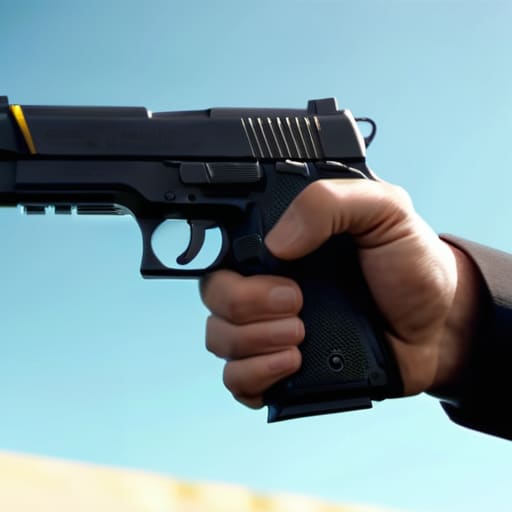
I’ve spent twenty years standing on the line at the club, and I can tell you that the most dangerous moment isn’t when someone pulls a trigger incorrectly—it’s that split second of pure, heart-stopping silence right after a piece hits the concrete. I once watched a guy drop a heavy hunting rifle, and instead of staying calm, he lunged for it like it was a wounded animal. That’s when things get messy. Most people think they need a complex tactical drill for how to handle a dropped firearm, but the truth is much simpler and a lot more boring. You don’t need a specialized course; you just need to fight the urge to rush.
I’m not here to give you a lecture or sell you some overpriced “safety seminar” video. I want to talk about the actual, unglamorous mechanics of what happens when gravity wins. I’m going to walk you through the exact, procedural steps you need to take to ensure that a simple mistake doesn’t turn into a permanent disaster. We’ll cover the immediate physical response, the mandatory safety checks, and why your brain is your most important piece of equipment when things go sideways.
Clearing a Dropped Handgun Before You Reach Down
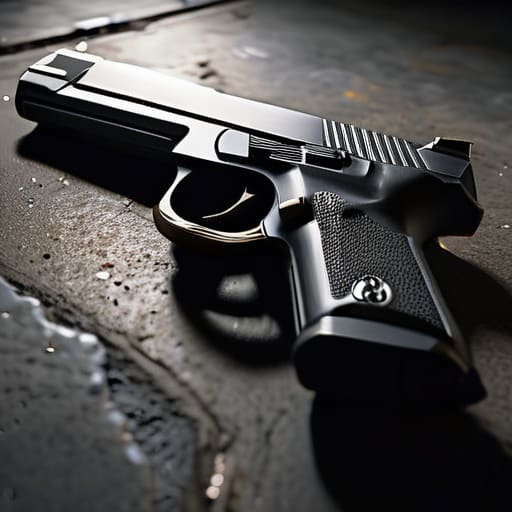
The first thing you need to understand is that the moment that metal hits the floor, the situation has changed. You don’t just reach down and grab it like you’re picking up a dropped set of keys. Before you even move your hand, you need to treat that piece as if it’s potentially compromised. I’ve seen too many folks rush in to secure their gear, only to realize they’ve ignored a possible mechanical failure after impact.
Instead of a frantic grab, you perform your safe handling procedures right where you stand. Keep your eyes on the weapon. If it’s a semi-auto, look for any movement in the slide or any signs that the impact forced a round into the chamber. If you can do so safely without reaching into a chaotic area, you want to verify the status of the firearm from a distance first. You aren’t just looking to see if it’s still in one piece; you are clearing a dropped handgun mentally before you ever make physical contact. Once you’ve stabilized your breathing and confirmed the area is clear, then—and only then—do you move in to secure it.
Strict Firearm Safety Protocols for the First Ten Seconds
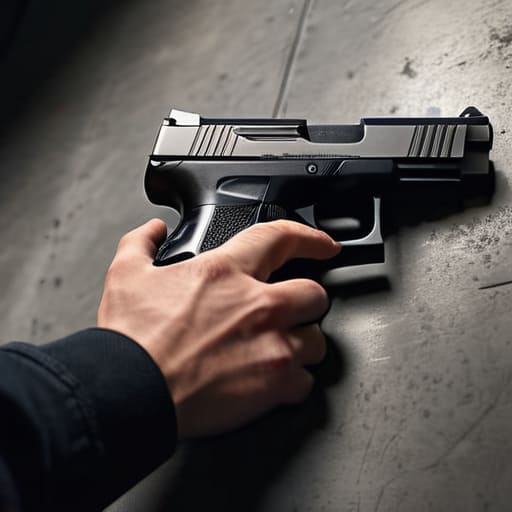
Once the weapon has settled and you’ve confirmed it’s pointed in a safe direction, the next ten seconds are about discipline, not speed. Most people want to scramble and grab their gear, but that’s when mistakes happen. Your first priority is to establish a mental perimeter. Don’t just reach out; you need to follow established safe handling procedures by keeping your hands away from the device until you are ready to perform a formal inspection. I’ve seen folks try to “fix” a jammed slide while still hunched over the floor, and that is a recipe for a very bad day.
Instead, take a breath and perform a visual sweep. You aren’t just looking to see if it’s loaded; you are looking for signs of mechanical failure after impact. Look closely at the sights, the frame, and especially the grip. If you’re working with a polymer frame or an older piece, you’re specifically checking for hairline cracks that might not be visible from a distance. If the integrity of the tool is compromised, your troubleshooting shouldn’t be about clearing a jam—it should be about setting the piece aside and calling for help.
Five Rules for When the Metal Hits the Dirt
- Keep your eyes on the weapon. When a gun leaves your hand, your instinct is to look away or look at the person next to you to see if they saw it. Don’t. You watch that piece from the moment it slips until it stops moving. If it skitters under a bench or into the grass, you stay focused on its last known position.
- Hands off until the movement stops. I’ve seen folks reach out mid-air to try and “catch” a falling pistol. That is a fast track to a broken finger or a discharge. Let gravity do its job. Let the gun hit the ground, let it settle, and let it stop rolling before you even think about reaching for it.
- Treat it as loaded, even if you’re certain it wasn’t. You might have just checked the chamber two minutes ago, but once that impact happens, your certainty doesn’t matter. The impact could have jarred a seated round or caused a mechanical failure. From the moment it hits the floor, it is a live, unknown entity.
- Check the sights and the frame for shifts. After you’ve cleared the chamber and confirmed it’s safe, don’t just go back to your drill. A drop can knock a zero off or, more importantly, loosen a screw or a pin. If you’re using a piece with older machining, like some of the bolt actions I work on, a drop can change how the action cycles.
- Don’t rush the recovery. The most dangerous part of a dropped firearm isn’t the drop itself; it’s the frantic scramble to pick it up because you feel embarrassed or you want to get back to the course. Slow down. Take a breath. Follow the procedure. The range isn’t going anywhere, and neither are we.
The Essentials to Remember
Keep your eyes on the gun from the moment it leaves your hand until it is cleared and safe.
Never rush to grab a fallen piece; wait until you have physically confirmed the action is open and the chamber is empty.
Treat a dropped firearm as if it is loaded and potentially malfunctioning until you have personally proven otherwise through a proper clearing procedure.
The Long Game
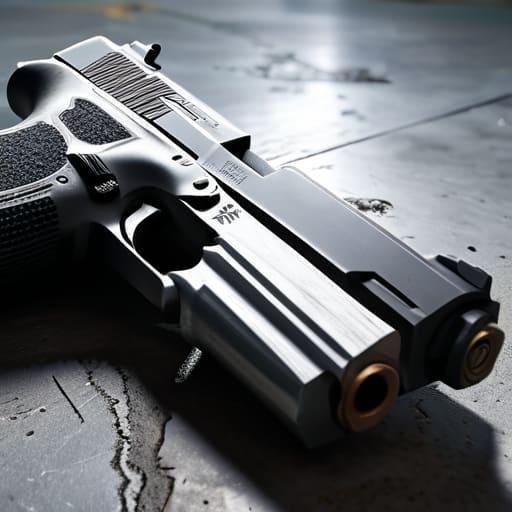
At the end of the day, handling a dropped firearm isn’t about being a hero or reacting with lightning speed; it’s about having the discipline to do nothing until the situation is controlled. You freeze, you keep your eyes on the piece, and you ensure that chamber is empty before your hands ever move to retrieve it. If you rush to grab a gun that’s skittering across the concrete, you’re just inviting the very accident you’re trying to avoid. Remember, the goal isn’t to get back to shooting quickly—it’s to make sure you never have to explain an accidental discharge to a range officer.
I’ve spent twenty years watching people on the line, and the ones who last are the ones who treat these procedures like breathing. They don’t see safety as a set of annoying rules, but as the foundation that allows them to actually enjoy the sport. If you can master the unglamorous stuff—the slow movements, the repeated checks, and the calm response to a mistake—then you’ve actually mastered the gun. Keep your head clear and your habits tight. The shooting takes care of itself once you’ve earned the right to be there through discipline.
Frequently Asked Questions
What should I do if the firearm makes a sound like something broke or shifted when it hit the floor?
If you hear a crack, a snap, or the heavy thud of something shifting inside the frame, you stop right there. Do not reach for it. That sound means a component—a pin, a spring, or a sear—might have moved or broken. If that part is compromised, the next time you pull the trigger, the gun might fire when it shouldn’t. Treat it as a mechanical failure. Keep your eyes on it, stay calm, and wait for a range officer.
If I'm at a busy club and drop my gun, do I need to call for a ceasefire immediately?
If you drop your piece, don’t panic and don’t rush to pick it up—just keep your eyes on it and wait for it to settle. If you’re on a live line, yes, call a cease immediately. It’s better to have a dozen people look at you funny for a momentary pause than to have one person reach down while a chamber is still live. Stop the clock, clear the malfunction, then resume.
How do I know if the drop actually caused a mechanical failure in the trigger or sear before I try to clear it?
You don’t know until you perform a dry-fire function check, and you do that only after the weapon is pointed in a safe direction and the chamber is empty. Once cleared, pull the trigger to ensure the sear is engaging properly, then cycle the action. If the trigger feels mushy or the hammer follows the bolt forward without a break, you’ve got a mechanical issue. Don’t guess. Test it, then treat it like a liability.




