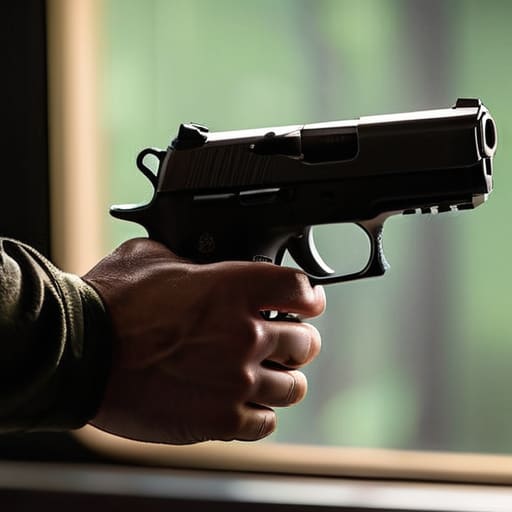
I’ve spent twenty years standing on the same Saturday morning line, and if there’s one thing I’ve learned, it’s that most people treat a safety briefing like a legal disclaimer you read at the bottom of a website. They rattle off a list of rules, see the glazed look in a beginner’s eyes, and move straight to the fun stuff. But if you want to know how to brief a first time shooter without actually making them understand the danger, you’re just waiting for a mistake to happen. I’ve watched enough people fumble with a chamber check to know that a lecture is useless; what they need is a procedure that sticks.
I’m not here to give you a polished seminar or a way to make yourself look like a pro instructor. I’m going to show you the unglamorous, repetitive work that actually keeps people safe. We’re going to talk about the small, physical habits—the checks nobody watches you do—that turn a nervous novice into a disciplined shooter. If you follow these steps, you won’t just be checking a box; you’ll be building a foundation that lasts long after they leave my range.
Mastering Firearm Safety Fundamentals Before the First Shot
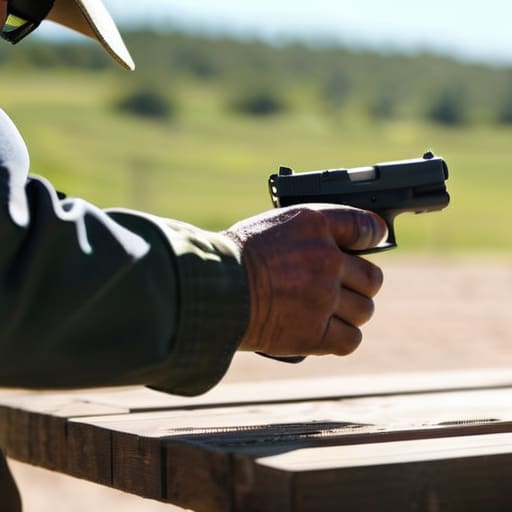
Before you even let them touch a piece of equipment, you have to establish the ground rules. I don’t care how much they’ve seen in movies; we start with the safe handling procedures that keep everyone on the line breathing easy. This means physical demonstrations, not just verbal lists. I like to have them mirror my movements—pointing the muzzle in a safe direction, keeping the finger off the trigger, and verifying an empty chamber. If they can’t do it with an unloaded, cleared firearm, they aren’t ready to touch one that isn’t.
Once the mechanics are understood, we move to the environment. This is where we cover range etiquette for beginners, like where to stand and how to communicate when they’re ready to load or unload. I’ve noticed that a lot of the tension in a new shooter comes from not knowing the “dance” of the line. By making these movements predictable and rhythmic, you aren’t just teaching safety; you’re building their confidence through structure. We don’t rush this part. We do it until the muscle memory takes over.
Communicating Safe Handling Procedures Without the Panic
When you’re standing there with a newcomer, the biggest mistake you can make is treating the safety briefing like a funeral service. If you lead with a heavy, doom-and-gloom tone, you’ll see their hands start to shake, and that’s when mistakes happen. My goal is always managing shooting anxiety by keeping the conversation steady and predictable. I don’t talk about what could go wrong; I talk about what we are going to do. I explain the mechanics of the firearm and the specific safe handling procedures we’ll be using, step by step, until the process feels like a routine rather than a high-stakes test.
I find that the best instructor communication techniques involve demonstration rather than just lecturing. Don’t just tell them to keep the muzzle pointed downrange; show them exactly what that looks like in the context of our specific lane. We go over the eye and ear protection importance as a matter of standard gear, not a warning of impending injury. If you treat the safety checks as a normal, unhurried part of the ritual, they will too. Consistency breeds confidence, and confidence is what keeps the line running smooth.
Five Ways to Keep the Briefing From Becoming a Lecture
- Make them show you, don’t just tell them. If you tell a new shooter to keep their finger off the trigger, it’s just words. If you have them physically demonstrate a dry run with an empty firearm while you watch, it becomes a muscle memory check.
- Focus on the “why” behind the “what.” I don’t just tell people to keep the muzzle pointed downrange because it’s a rule; I tell them that if a part breaks or a round goes off unexpectedly, that direction is the only place I want the energy to go. When they understand the physics, they respect the boundary.
- Watch their eyes, not just their hands. A shooter who is staring at the target but ignoring the person talking to them hasn’t actually processed the safety brief. If they aren’t looking at you when you’re explaining the range commands, stop and wait until they are.
- Normalize the chamber check. I’ve seen too many people get nervous and start fumbling with their gear. Tell them right upfront that checking the chamber is a standard, professional part of the process. If they do it three times, let them; it’s better they’re certain than confident and wrong.
- Keep the commands short and repetitive. On a busy line, you don’t have time for nuance. Use the same four or five words every single time. “Cease fire,” “Range is hot,” “Unload and show clear.” If you change your wording, you’re just inviting a mistake.
The Three Pillars of a Successful Briefing
Focus on the mechanics of the check, not just the rule; don’t just tell them to keep the muzzle pointed downrange, make them physically demonstrate that they know where that muzzle is going every time they move.
Watch for the “nervous twitch” habits early; if you see a new shooter checking their chamber three times in two minutes, don’t correct the anxiety, correct the process so the safety check becomes a mindless, steady ritual.
Keep your voice level to keep their heart rate down; if you start sounding like an emergency, they’ll start acting like one, so treat the safety briefing like a standard shop procedure rather than a high-stakes lecture.
The Long Game of the Range
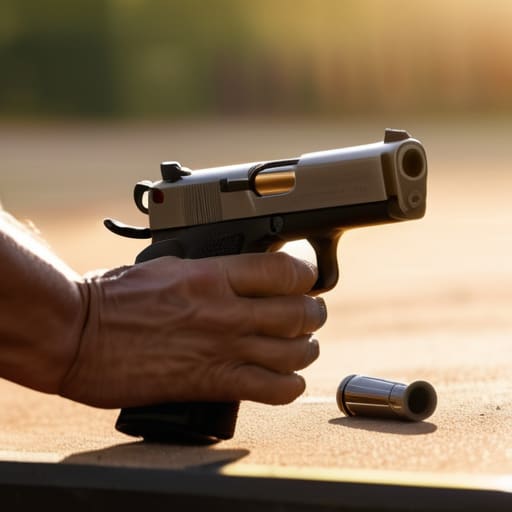
At the end of the day, a good briefing isn’t about memorizing a manual; it’s about building a foundation of muscle memory. You’ve walked them through the mechanics, you’ve established the command structure, and you’ve made sure they understand that the firearm is always treated as if it’s loaded. If you’ve done your job right, they aren’t just following rules because you told them to—they are following them because they understand the why behind the what. When those fundamentals are ingrained before the first round even hits the berm, you aren’t just preventing accidents; you are setting the stage for them to actually enjoy the sport.
I’ve stood on this line for twenty years, and I can tell you that the best shooters aren’t always the ones with the tightest groups. They are the ones who respect the tool enough to treat every check and every clear as a non-negotiable ritual. Don’t rush the process just to get to the shooting. Take the extra five minutes to ensure those habits are set deep. If you get the unglamorous stuff right today, they’ll be safe shooters for a lifetime, and that is the only real measure of success we have out here.
Frequently Asked Questions
How do I handle a shooter who clearly understands the rules but is visibly shaking or too nervous to function?
I’ve seen it a hundred times. They know the rules, but their hands won’t listen. If they’re shaking, don’t push the gun on them. Step them back from the bench. Have them focus on something steady—maybe cleaning a tool or just breathing. I usually tell them, “The range isn’t going anywhere, and neither am I.” Once the adrenaline settles and they can control their grip, then we get back to the fundamentals.
At what point during the briefing do I actually let them touch the firearm to practice the mechanics?
You don’t let them touch the steel until you’ve finished the verbal walkthrough and they’ve demonstrated they can repeat the core rules back to you. I wait until the theory is settled. Once we’ve covered the four big habits, I hand it over for dry-fire mechanics—clearing the chamber, checking the mag, and that physical muscle memory. If they haven’t internalized the rules yet, touching the gun is just an invitation for a mistake.
What’s the best way to correct a safety mistake mid-briefing without making the person shut down or lose confidence?
You don’t make a scene; you make a correction. If someone fumbles a chamber check or points a muzzle the wrong way, don’t use a sharp voice. That just makes them nervous, and nervous hands make mistakes. Instead, pause, step in, and show them the right way as if you’re just demonstrating a step in the process. Keep it procedural. “Let’s try that check one more time, just to be sure.” You’re teaching a habit, not scolding a student.




