
I remember a Saturday morning about ten years back when a guy brought in an old, rusted-out bolt action he’d found in a barn. He was excited, talking a mile a minute about the history, but he was handling it like it was a piece of garden equipment. He didn’t even realize he was pointing it right at the bench instructor while he was trying to figure out the safety. That’s the danger of the “unknown”—people get caught up in the novelty and forget the basics. Most folks think they need a PhD in ballistics to know how to handle a firearm you have never seen, but they’re looking for complexity where they should be looking for discipline.
I’m not here to give you a lecture or a list of technical specifications that’ll only confuse you. I want to talk about the mechanics of respect. I’m going to walk you through the exact, unglamorous steps I teach on the range to ensure that no matter what piece of steel is handed to you, you remain in total control. We’re going to focus on the checks that happen before the first shot is even considered.
Muzzle Awareness Respecting the Direction of the Unknown
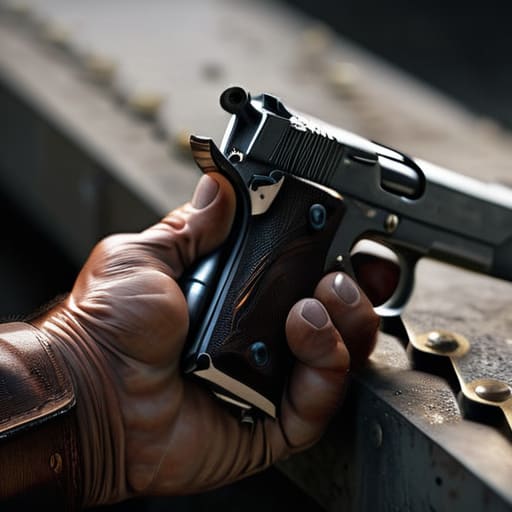
When you pick up a piece you aren’t familiar with, your first instinct might be to look at the sights or the grip, but your eyes need to be on the business end first. I’ve seen plenty of folks get so caught up in identifying firearm components—trying to figure out if it’s a semi-auto or a lever action—that they let the barrel wander toward a person or a piece of equipment. That’s where the trouble starts. You need to establish a safe direction immediately. If you don’t know exactly where that muzzle is pointing, you don’t know if you’re pointing it at a wall or a person’s leg.
Make it a habit: the moment your hands touch a new tool, the muzzle goes to the ground or a designated backstop. This is the foundation of muzzle awareness. Even if you are certain the chamber is empty, you treat that direction as a live zone. It doesn’t matter if you’re just moving it to a table or checking the action; respect the direction of the barrel as if there was a round ready to fly. You don’t get a second chance to fix a bad aim.
Identifying Firearm Components Before You Touch a Lever
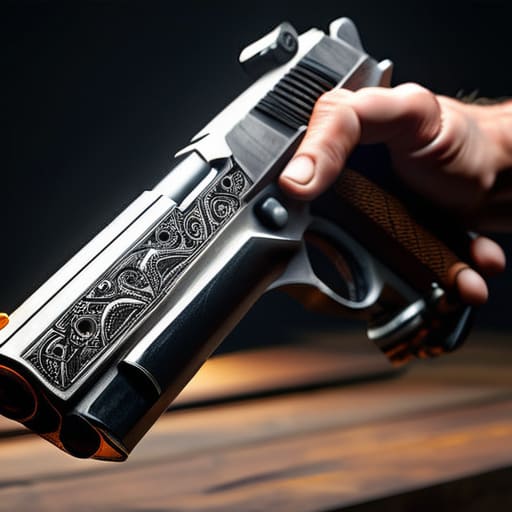
Before you even think about reaching for a slide or a bolt, you need to take a beat and look at the thing. I’ve seen too many folks jump straight to the trigger guard because they think they know how a platform works, only to find out they’re wrestling with something entirely different. You aren’t just looking at a tool; you are performing a visual inspection. Take a second to find the magazine release, the safety selector, and—most importantly—where the action actually opens. Identifying firearm components from a distance, before your hands are even on the metal, is the only way to ensure you don’t trigger an accidental discharge by pressing a button you thought was a different lever.
Once you’ve done your visual sweep, you move into the physical phase of clearing a weapon safely. This isn’t the time to be experimental. You need to locate the ejection port or the cylinder gap and make sure you can see into the chamber with your own two eyes. I don’t care if it looks empty; you don’t assume. You treat every mechanical interface like it’s under tension until you have physically verified there is nothing in the way. Trust your eyes, not your assumptions.
The Four Checks That Don't Care About Your Experience
- Clear the chamber visually and physically. I don’t care if the previous owner swore it was empty; you pull that slide or bolt back and you look inside with your own eyes. If you don’t see daylight in that chamber, you treat it like a loaded gun.
- Keep your finger off the trigger until you are ready to work. I’ve seen people get curious about a new trigger pull or a different weight, and that’s when things go sideways. Your finger stays straight along the frame until you’ve identified exactly how this specific tool functions.
- Locate the safety without looking for a label. Every maker thinks they’re the first person to invent a safety, and every maker puts it in a different spot. Don’t go hunting for it with your eyes; find it with your muscle memory so you aren’t surprised when the hammer drops.
- Check the magazine well and the mag release. A gun can be “empty” and still have a round sitting right in the chamber because a magazine is seated. Pull the magazine out entirely before you start deciding whether or not you’re dealing with a live weapon.
- Respect the “unknown” mechanicals. Some guns have external hammers, some have internal strikers; some have manual safeties, and some have nothing at all. If you haven’t figured out the specific mechanics of that piece yet, don’t go trying to “test” it. Just leave it alone until you know what it’s capable of doing.
The Three Rules for the Unfamiliar
Treat the unknown as if it’s ready to go; assume there is a round in the chamber until you have personally verified otherwise.
Keep your finger indexed and away from the trigger guard; don’t let curiosity dictate your hand placement.
Control your muzzle direction like it’s a loaded tool, not a toy, and never let it wander toward anything you aren’t prepared to lose.
Respecting the Unknown
At the end of the day, handling a piece you aren’t familiar with comes down to slowing your heart rate and refusing to rush. You’ve got to keep that muzzle pointed in a safe direction, take the time to physically identify where the controls are before you move a single lever, and never—under any circumstances—assume a chamber is empty just because it looks it. It’s about the unseen checks and the discipline to treat every unknown mechanism with the same gravity you’d give your own primary tool. If you can’t identify how it functions, you shouldn’t be touching it. Period.
I’ve spent twenty years watching people try to skip steps because they thought they knew better, and that’s usually when the trouble starts. Real skill in this sport isn’t about how fast you can pull a trigger; it’s about the quiet competence of knowing exactly what is in your hands at all times. Whether you’re looking at a modern polymer handgun or one of those old bolt-actions I spend my weekends restoring, the rules don’t change. Treat the unknown with respect, keep your habits tight, and you’ll find that the shooting part becomes the easiest part of your day.
Frequently Asked Questions
What do I do if I find a firearm that looks like it’s been sitting in a damp basement or an attic for years?
If you find a piece that’s been sitting in a damp basement or a hot attic, your first instinct shouldn’t be to wipe off the dust and see if it fires. Treat it like a ticking clock. Moisture and temperature swings ruin seals and corrode internals in ways you can’t see with the naked eye. Don’t force any bolts or levers—you’ll snap something that’s already brittle. Clear it safely, then get it to a professional.
If I can't find a visible safety switch, should I assume it's there or just treat it as if it's ready to go?
Treat it as if it’s ready to go. Every single time. I’ve seen guys spend five minutes hunting for a selector switch on an old piece, only to realize they were staring at a manual safety or a decocker they didn’t recognize. Don’t play detective with a mechanical device. If you can’t see a safety, assume the sear is ready to break. Keep your finger outside the trigger guard and treat it like it’s live.
How do I safely clear a weapon if the magazine release or the bolt handle isn't where I expect it to be?
Stop. If your hands are searching for a lever that isn’t there, you’ve already lost the rhythm. Don’t start hunting and clicking; that’s how you end up with an accidental discharge. Take a breath, keep the muzzle pointed downrange, and keep that finger straight along the frame. Use your eyes, not your thumbs. Find the controls visually first, then move with intent. If you can’t find it, don’t force it—just clear the area.




