I’ve spent twenty years standing on the line at the club, and if there is one thing I see more than a poorly seated magazine, it’s a shooter fighting their own hardware. You’ll see folks spending hundreds of dollars on “tactical” training courses or fancy ergonomic grips, thinking a piece of high-end polymer is going to solve their accuracy issues. But let me tell you, none of that gear is going to teach you how to fix a flinch. You can buy the most expensive optic on the market, but if your shoulder is bracing for a punch that hasn’t landed yet, you’re just going to be precisely inaccurate.
I’m not here to sell you a system or a magic pill. I want to talk about the actual mechanics—the unglamorous, repetitive work that happens before you even pull the trigger. We’re going to strip away the hype and look at the actual habits of your hands, your grip, and your breathing. I’ll show you the same drills I’ve used with hundreds of students to move past that instinctive jerk and toward a disciplined shot. We’re going to get the fundamentals right, and once you do, the shooting will finally take care of itself.
Mastering Trigger Control Techniques Without the Panic
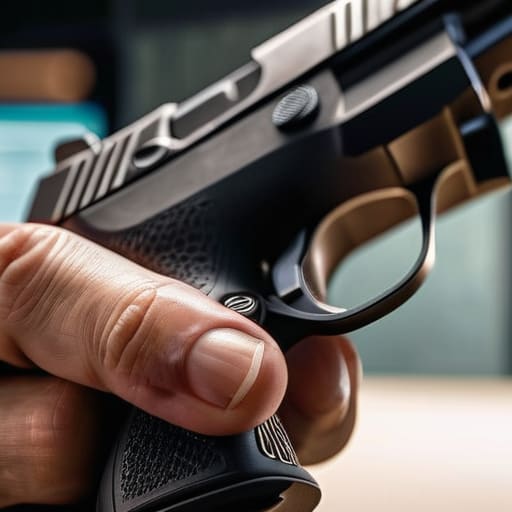
Most folks think a flinch is some deep-seated neurological problem, but more often than not, it’s just a lack of discipline in your mechanics. When you’re standing on the line and you feel that sudden jerk, it’s usually because you’re trying to “help” the gun fire. You’re anticipating the bang, and your body is reacting before the primer even strikes. To get past this, you have to focus on eliminating anticipatory flinch by isolating the movement of your finger from the rest of your hand. If you’re squeezing the trigger with your whole fist instead of using the pad of your index finger, you’re going to move the muzzle every single time.
The best way to fix this isn’t by pounding more live rounds downrange; it’s through consistent dry fire practice drills in a controlled environment. I tell my students to start with the basics: get your stance set, find your stability, and practice the press. You want that trigger break to feel like a surprise, even when you know exactly when it’s coming. If you can’t execute a clean, smooth press on an empty chamber in your living room, you sure as hell aren’t going to do it when there’s a loud report and a kick waiting for you.
Dry Fire Practice Drills for the Unseen Work
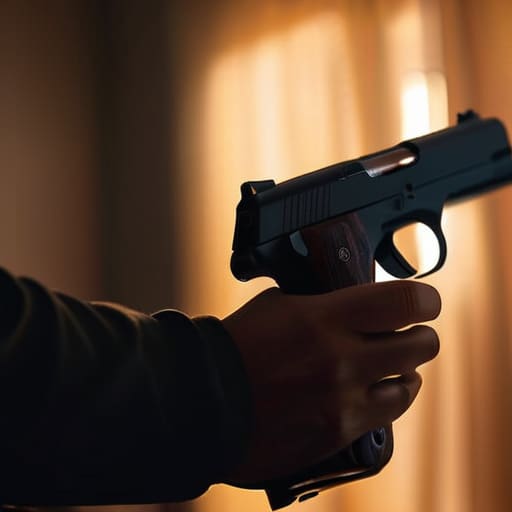
Most people think you only learn to shoot when you’re actually pulling the trigger, but that’s where they get it wrong. If you wait until you’re at the range to work on your mechanics, you’re just practicing your mistakes with expensive brass. I tell my students all the time: the real work happens in your living room. One of the most effective dry fire practice drills involves the “wall drill.” You stand a few feet from a blank wall and focus entirely on the press of the finger. Your goal isn’t to hit a target, but to ensure the front sight doesn’t move a fraction of an inch as the striker drops.
If you find yourself jumping or twitching, you aren’t failing; you’re just finally seeing the problem. To work on eliminating anticipatory flinch, try the “reset drill.” Pull the trigger, hold it to the rear, and slowly work on your breathing while maintaining a consistent grip. This builds the muscle memory needed for better shooting stance stability and a more disciplined mind. It’s unglamorous, repetitive work, but it’s how you bridge the gap between a nervous shooter and a steady one.
The Mechanics of Staying Steady
- Stop anticipating the bang. Most people flinch because they are trying to “beat” the shot, bracing their muscles for the recoil before it even happens. You have to learn to let the gun do its job. If you’re tensing up your forearm like you’re about to hit a nail, you’ve already lost the shot.
- Check your grip pressure. I see it all the time on the Saturday line—shooters squeezing the frame so hard their knuckles turn white. That tension travels straight up your arm and into your trigger finger. You want a firm, consistent hold, but you don’t want to be strangling the tool.
- Focus on the reset, not just the pull. A lot of the “flinch” is actually just a sloppy recovery. If you’re slamming the trigger and then letting it fly forward without feeling that tactile click of the reset, you’re going to be jerky. Work on that controlled, smooth press every single time.
- Watch your eye alignment. If you’re squinting or trying too hard to stare down the sights, you’re creating physical tension in your face and neck that translates to your hands. Keep your eyes relaxed and let the front sight find its place in your focus.
- Use a smaller, more manageable load while you’re working through it. There is no sense in beating yourself up with heavy magnum loads or high-recoil rounds when you’re trying to rewire your brain. Get the mechanics right with the lighter stuff first; the discipline will carry over when the recoil gets heavier.
The Bottom Line on Breaking the Habit
Stop trying to “muscle” the shot; a flinch is a physical reaction to tension, so you have to learn to relax your grip and let the mechanics of the firearm do the work.
Consistency in your dry fire routine is more important than how many rounds you burn through at the range; you’re training your nervous system, not just your muscles.
If you find yourself anticipating the bang, go back to the basics of your trigger press—smooth, steady, and uninterrupted—because a jerky finger is usually what triggers the flinch in the first place.
The Long Game of Steady Hands
At the end of the day, fixing a flinch isn’t about some magic trick or a high-tech piece of gear; it’s about the tedious, unglamorous work of rebuilding your muscle memory. We’ve talked about cleaning up that grip, mastering the slow press of the trigger, and putting in those quiet hours of dry fire when no one is watching. If you try to skip the fundamentals and jump straight to the high-speed drills, you’re just going to practice being inaccurate. You have to respect the process and realize that your body is essentially fighting a ghost—a learned reaction to noise and recoil that you have to consciously unlearn, one shot at a time.
I’ve spent twenty years watching people walk onto my line, and the ones who truly progress are never the ones looking for a shortcut. They are the ones who understand that shooting is a discipline of patience. Don’t get discouraged if you have a bad session or if that old habit tries to creep back in when you’re tired. Just go back to the basics, check your mechanics, and stay calm. If you focus on the disciplined mechanics instead of the target, the groups will eventually tighten up on their own. Get the habits right, and the shooting will take care of itself.
Frequently Asked Questions
If I'm flinching during live fire but my dry fire looks perfect, am I doing something wrong with my grip or is it something else?
If your dry fire is clean but the live fire is messy, you aren’t “doing something wrong” so much as you are reacting to something real. In dry fire, there’s no bang. In live fire, there’s recoil. Your brain is trying to protect you from a perceived threat, so you’re bracing before the shot even breaks. It’s usually a grip issue—you’re likely squeezing too hard or “choking” the gun—but it’s mostly just a lack of familiarity with the impulse.
How do I know if my flinch is coming from a lack of trigger control or if I'm actually just reacting to the noise and muzzle blast?
It’s a fair question, and honestly, they often overlap. Here is how I tell my students to tell them apart: look at your grouping. If your shots are consistently pulling low and left—or low and right for a lefty—that’s trigger control. You’re anticipating the kick. But if your shots are erratic, or you’re physically jerking the gun upward before the hammer even falls, you’re reacting to the blast. You’re bracing for the noise, not pulling the trigger.
Is there a point where I should stop trying to drill through the flinch and just take a break to reset my nervous system?
If you’re fighting your own muscles, you aren’t practicing; you’re just reinforcing a bad habit. I’ve seen it a thousand times on the line. If you feel that tension creeping up your forearm or your breathing getting shallow, stop. Put the gun down. If you try to drill through a flinch when your nervous system is fried, you’re just teaching your body to fail more efficiently. Walk it off, grab some water, and come back when you can actually relax.




