
I’ve spent twenty years standing on the firing line, and if there’s one thing I’ve learned, it’s that people love to spend hundreds of dollars on fancy triggers and high-end optics while completely ignoring the fundamentals. You can buy the most expensive rifle in the shop, but if you’re jerking the trigger or relaxing the moment the hammer falls, you’re just throwing money downrange. Most folks think they need a masterclass in ballistics to fix their groups, but they don’t realize that learning how to practise follow through is actually about something much simpler and much more boring than gear. It’s about the discipline of staying with the shot after it’s already left the barrel.
I’m not here to give you some high-speed, cinematic lecture on precision shooting. What I want to do is talk about the unsexy, repetitive work that actually makes a difference when you’re under pressure. We’re going to look at the small, mechanical habits you can build right in your own backyard to ensure you aren’t breaking your position the second you hear that bang. I’ll show you how to turn follow-through from a fleeting moment into a reliable, muscle-memory habit that stays with you from the first shot to the last.
Mastering Mental Discipline in Marksmanship
Most folks think they can just muscle their way through a shot, but you can’t out-train a wandering mind. I’ve spent twenty years watching shooters pull their shots not because their grip was off, but because their brain checked out the second the primer struck. True mental discipline in marksmanship is about staying in the moment from the moment you find your target until long after the brass has hit the dirt. You have to treat the reset and the recoil as part of the shot, not as something that happens to you after the work is done.
If you want to see real progress, you need to stop treating your range time like a video game and start treating it like a process. I tell my students to incorporate specific marksmanship training drills that force them to hold their position for two seconds post-ignition. It’s boring, and it feels slow, but that’s the point. You aren’t just learning to hit a target; you’re training your nervous system to stay steady through the entire cycle. If you can’t control your focus during the quiet parts, you’ll never be consistent when the pressure is on.
Improving Sight Picture Consistency Through Stillness
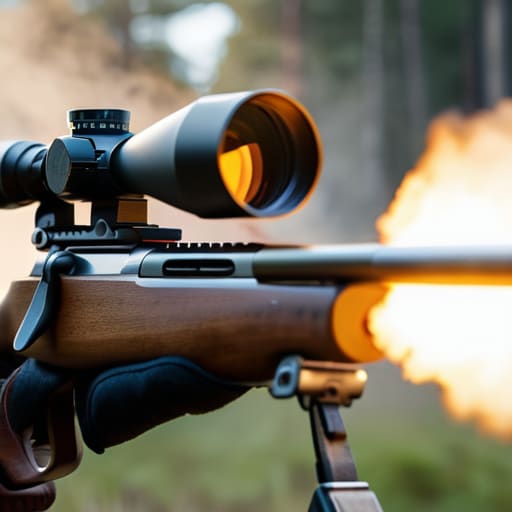
Most folks think a good shot happens the second the sear breaks, but the real work starts when the hammer falls. If you’re twitching or trying to “see” the hit before the bullet has actually left the barrel, you’re sabotaging yourself. I’ve spent more Saturday mornings than I can count watching shooters jerk the rifle upward the moment they hear the bang. That’s not just a bad habit; it’s a failure of stillness. To get better at improving sight picture consistency, you have to learn to stay with the shot. You aren’t just pulling a trigger; you are managing a mechanical process that requires you to remain a steady platform until the recoil has fully played out.
I usually tell my students to treat the moment of the shot like a pause in a song rather than a sudden jump. Instead of rushing to see where the impact went, focus on your shooting stance stability and hold that position through the entire cycle. It’s about resisting the urge to move. If you can master the discipline of staying motionless during that split second of percussion, you’ll find your groups tighten up without you having to fight the rifle nearly as hard.
The Boring Work: Five Ways to Build the Habit
- Stop treating the trigger pull like a single event. I see folks snap their finger like they’re flicking a light switch, and the moment the shot breaks, they’re already relaxing. You need to practice holding that same pressure—just steady, no more, no less—for a full second after the hammer falls.
- Use a timer to break your reliance on “feeling” ready. When you’re shooting for fun, you tend to rush the follow-through because you want to see the impact. Set a timer for a cadence that forces you to stay on the target through the recoil, rather than just reacting to it.
- Watch your eyes, not just your hands. A big part of follow-through is refusing to look away from the front sight or the target the instant you hear the bang. If you’re looking for the bullet hole before the rifle has even settled, you’ve already broken your discipline.
- Work on your exhale and hold. It sounds simple, but a lot of shooters lose their follow-through because they’re gasping for air the moment the shot goes off. Practice your respiratory pause so that the shot happens during the stillness, and you stay still long enough to see the result.
- Practice “dry” follow-through with a cleared firearm. This is the one nobody likes because it’s tedious, but it works. Go through your entire shot process—aim, breathe, squeeze—and hold your position for three seconds after the click. If you can’t do it when there’s no noise or recoil, you won’t do it when the pressure is on.
The Three Pillars of the Follow-Through Habit
Stop treating the shot like an event and start treating it like a process; the work isn’t done when the hammer falls, it’s done when the recoil settles and you’ve stayed with the sight picture.
Consistency is built in the boring moments, so practice holding your position for two seconds after the shot every single time, even when you’re just shooting at paper in your backyard.
Discipline is a muscle that needs training, meaning you have to force yourself to stay still and reset your mental focus instead of rushing to get the next round in the chamber.
Making It Stick
At the end of the day, practicing follow-through isn’t about some complex ballistic theory or fancy gear; it’s about the discipline of staying with the shot until the job is done. We’ve talked about the mental grit required to stay focused, the physical stillness needed to hold that sight picture, and the patience to not rush the trigger. If you can master the ability to hold your position and maintain your discipline through the recoil, you’ve already won half the battle. It’s the unseen work—the part where you don’t immediately whip the rifle back up to see where you hit—that separates a hobbyist from someone who actually understands their tool. Consistency in the follow-through is what turns a lucky grouping into a repeatable skill.
I’ve spent twenty years standing on range lines watching people rush their process, and I can tell you that the most dangerous thing a shooter can do is become impatient with their own fundamentals. Don’t get discouraged if your follow-through feels clunky or forced at first. It’s a muscle, and like any other skill I’ve picked up in the shop, it requires repetitive, almost boring, application. Treat every single shot—even the ones you’re just practicing at the backyard bench—with the same respectful attention you’d give a competition round. Get those small, unglamorous habits right, and the accuracy will eventually take care of itself.
Frequently Asked Questions
How do I know if I'm actually following through or if I'm just holding my breath too long?
It’s a common mix-up. If you’re just holding your breath, you’ll feel a mounting tension in your chest and a slight tremor in your hands as the CO2 builds up. That isn’t discipline; that’s just straining. True follow-through feels like a continuation of the shot process—maintaining your trigger press and sight alignment for a split second after the recoil. If you feel like you’re fighting your own lungs, you’ve gone too far.
Is there a way to practice this discipline when I'm just cleaning or prepping my gear at home?
Absolutely. In fact, that’s where the real work happens. I tell my students that if you can’t maintain discipline when no one is watching, you won’t have it when the timer starts. When you’re cleaning, don’t just rush through it to get to the range. Treat every movement—the way you clear the chamber, the way you lay the bolt down, the way you organize your kit—with the same deliberate, methodical care you’d use on the firing line.
When does the follow-through end—do I stay in position until the recoil settles, or is it more about the trigger reset?
Think of it this way: if you drop your focus the millisecond the hammer falls, you’ve already lost the shot. It’s not just about the trigger reset; it’s about the physical cycle. You stay in position through the recoil, through the settling of the rifle, and until your sights have had a chance to stabilize again. Don’t rush to the next step. Wait for the mechanical cycle to finish before you move.




