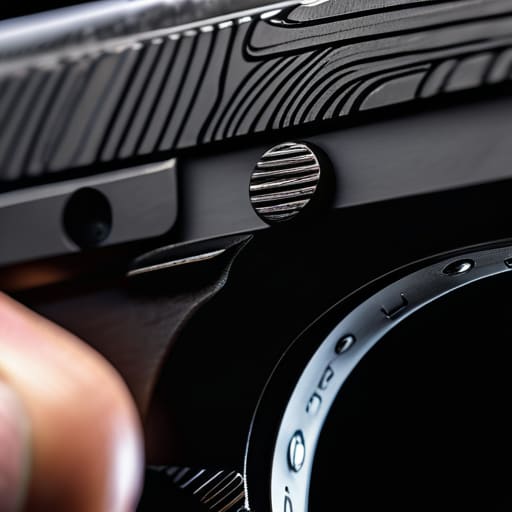
I’ve spent twenty years standing on the line at the club, and if there’s one thing I’ve learned, it’s that people love to throw money at problems they haven’t actually diagnosed. I see it every Saturday: a shooter spends six hundred dollars on a custom match trigger, thinking that a lighter pull is the magic fix, only to realize they’re still jerking the gun the moment the sear breaks. They think they need more gear, but they don’t realize that learning how to improve trigger control has almost nothing to do with the metal inside the action and everything to do with what your hand is doing when you aren’t looking.
I’m not here to sell you a boutique part or a complicated theory from a textbook. I want to talk about the mechanics of the squeeze and the discipline of the reset—the kind of stuff you only learn by putting in the hours when nobody is watching. I’m going to walk you through the actual, unglamorous fundamentals of a clean break, because once you master the basics, the expensive hardware becomes secondary. Let’s get to work.
Mastering Finger Placement for Shooting Accuracy
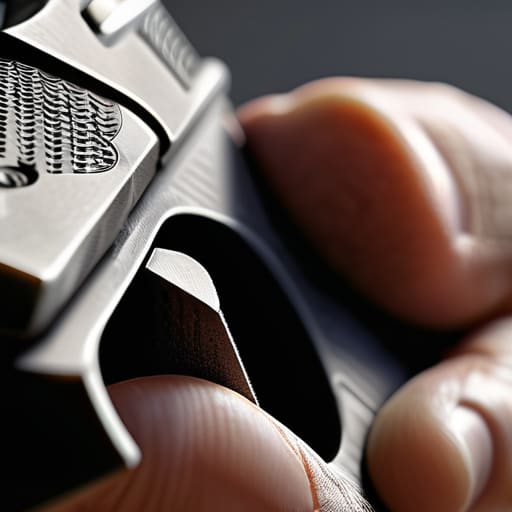
Most folks think trigger control starts with the squeeze, but it actually starts with where you rest that finger before you even think about the shot. I’ve watched enough beginners pull their entire hand off the grip just to get leverage, and all they end up doing is jerking the muzzle toward the dirt. You need to find that sweet spot on the pad of your index finger—not the joint, and certainly not the side of the finger. If your finger placement for shooting accuracy is off by even a fraction of an inch, you’re going to fight the gun instead of working with it.
Once you’ve got the contact point right, the goal is to keep the rest of your hand completely still. I tell my students that the trigger finger should be an island; it moves, but the rest of your hand shouldn’t even know it’s happening. This is the most effective way of minimizing muzzle movement during the break. If you find yourself anticipating the bang, stop shooting live rounds and get home for some dry fire practice drills. It’s the only way to build that muscle memory without the distraction of noise and recoil.
The Secret to a Smooth Trigger Pull Technique

Most folks think a trigger pull is just a binary event—it’s either off or it’s on. They treat it like a light switch, and that’s exactly why they end up pulling the shot low and left. A real smooth trigger pull technique isn’t about how hard you pull; it’s about the steady, linear pressure you apply while your brain is trying to tell you the gun is about to go bang. You have to learn to work through that mental wall. If you’re fighting the shot, you’re fighting yourself, and the rifle will always win that argument.
The best way to fix this isn’t by hammering more lead downrange, but through disciplined dry fire practice drills in a controlled environment. I tell my students to focus on the relationship between the finger and the sear. You want to apply pressure so gradually that the shot almost seems to surprise you. If you feel your sight picture jump or dip the moment the hammer drops, you aren’t actually controlling the trigger; you’re just reacting to it. Focus on minimizing muzzle movement by keeping that pressure constant and uninterrupted from the moment you take up the slack until the break.
Five Ways to Stop Fighting Your Own Trigger
- Watch your knuckle. If you’re pulling the gun to the side because your finger is sitting too high or too low on the trigger, you’re inducing lateral movement before the sear even breaks. Find that sweet spot right in the center of the pad.
- Stop anticipating the bang. Most folks I see on the Saturday line are flinching because they’re trying to “help” the shot happen. You aren’t pulling the trigger; you’re applying steady, increasing pressure until the shot surprises you.
- Respect the reset. A lot of shooters think they need to ride the trigger all the way out to reset it. That’s just more wasted movement. Learn to feel that mechanical click, let the trigger move forward just enough, and you’ll be ready for the next one without the wobble.
- Check your grip tension. If you’re squeezing the frame like you’re trying to choke it, your trigger finger is going to be too tense to move independently. You need a firm, consistent hold, but your index finger needs to be able to move through its arc without fighting the rest of your hand.
- Dry fire is your best friend, and it’s free. You can’t fix a jerky trigger pull while you’re busy managing recoil and trying to hit a target. Spend ten minutes a day at home, with an empty chamber and a clear workspace, just practicing that smooth, deliberate squeeze.
The Fundamentals You Can’t Skip
Stop rushing the squeeze; a smooth, deliberate press is the only way to ensure you aren’t jerking the muzzle off-target at the moment of ignition.
Watch your finger placement religiously, because if you aren’t starting at the very center of the trigger blade, you’re inviting lateral movement you can’t fix.
Master the reset before you try to chase speed, because knowing exactly where that mechanical break happens is what separates a controlled shot from a lucky one.
The Long Game of Fundamentals
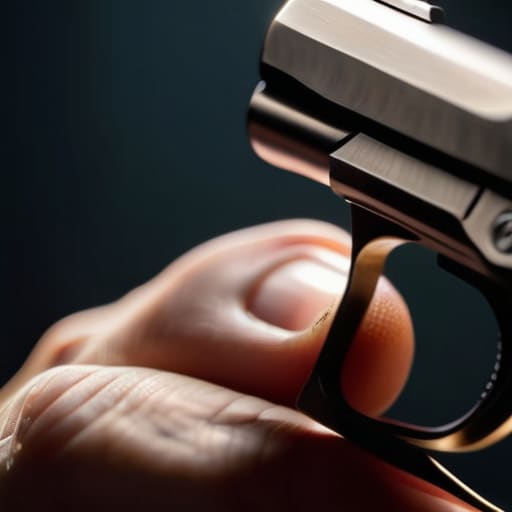
At the end of the day, improving your trigger control isn’t about finding a magic trick or a new piece of gear; it’s about the repetitive, unglamorous work of muscle memory. We’ve talked about where that finger sits and how to manage the squeeze without jerking the muzzle, but those details only stick if you practice them when you aren’t under pressure. If you can’t maintain a smooth, deliberate press during a slow-fire drill at the club, you sure as hell won’t find it when the timer starts or the target moves. It’s about closing the gap between what you think you’re doing and what your hands are actually doing. Don’t rush the process.
I’ve spent twenty years watching folks walk down the range, and the ones who truly excel are never the ones trying to reinvent the wheel. They are the ones who respect the mechanics. They treat every single pull like it’s the most important part of their entire session. Shooting is a discipline of small, controlled movements, and your trigger finger is the most critical link in that chain. Get your fundamentals right, stay patient with yourself, and make the mechanics second nature. If you do that, the accuracy will come, and more importantly, you’ll be a shooter people can trust on my line.
Frequently Asked Questions
How do I stop my grip from tightening up and pulling the shot every time I squeeze the trigger?
You’re fighting yourself. When you focus on that trigger squeeze, your brain sends a signal to your whole hand to clamp down, and that tension travels straight into the frame. It’s a reflex. You need to separate the two actions. Think of your support hand as the anchor and your firing hand as the driver. Keep your grip pressure consistent—don’t let it spike just because you’re about to break the shot. Relax the palm.
Is there a way to tell if my trigger pull is actually smooth or if I'm just convincing myself it is?
The easiest way to tell is to stop looking at the target and start looking at your brass. If your trigger pull is smooth, your casings should land in a consistent, predictable pile. If you’re jerking or “slapping” the trigger, you’ll see those brass bits dancing all over the tray. If you want more proof, grab a piece of paper and a pencil. Draw a small circle and try to pull the trigger without breaking the line. If you can’t do it, you’re lying to yourself.
When I'm practicing dry fire, how do I know if I'm actually building muscle memory or just developing a bad habit?
If you’re dry firing in front of a mirror or a camera, you’re halfway there. But the real test is the “surprise factor.” If you can see the exact moment the sear breaks—if you can predict it—you’re doing it right. If you find yourself flinching or “milking” the grip to force the hammer down, you aren’t building memory; you’re just practicing how to miss. Slow down. If it isn’t perfect, it doesn’t count.




