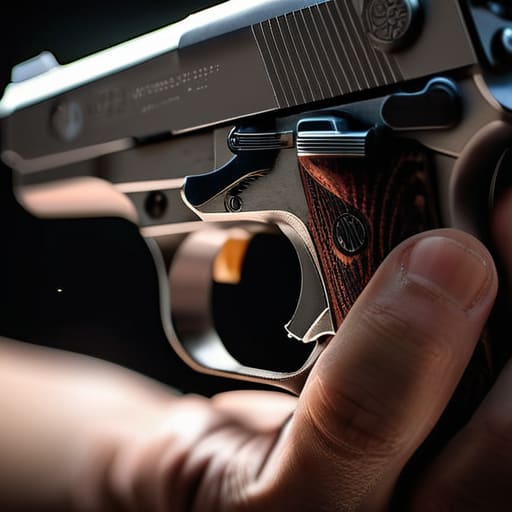
Most folks think that figuring out how to get into bullseye pistol means dropping two grand on a custom competition frame and a set of high-end match triggers before they’ve even learned how to breathe. I see it every Saturday morning at the club: guys showing up with gear that looks like it belongs in a museum, only to shoot groups the size of dinner plates because they haven’t mastered the basics. They’re chasing the hardware when they should be chasing the discipline. You don’t need a trophy case to start; you just need a steady hand and the patience to stop fighting your own equipment.
I’m not here to sell you on some expensive gear list or a shortcut to a gold medal. What I’m going to give you is the unglamorous truth about the fundamentals—the stuff that actually matters when the pressure is on and the timer is running. We’re going to talk about stance, sight alignment, and the boring, repetitive drills that turn a shaky novice into a marksman. If you’re willing to do the work on the small things, the scores will eventually take care of themselves.
Mastering Slow Fire Shooting Fundamentals
Most folks come to the range wanting to see how fast they can put lead on paper, but bullseye isn’t a race. It’s a slow, methodical process of removing yourself from the equation. When you’re working on slow fire shooting fundamentals, you aren’t fighting the target; you’re fighting your own nervous system. I’ve seen plenty of shooters try to rush the trigger pull because they think speed equals skill. In this discipline, speed is just a byproduct of being steady. If you can’t hold a shot for five seconds without your sight dancing like a leaf in the wind, you aren’t ready for the timed stages.
You’ll need to settle into a solid single hand pistol stance, feeling the weight distributed through your feet rather than leaning into the gun. It’s about creating a stable platform that doesn’t fight you. I always tell my students to focus on the rhythm of the breath and the isolation of the trigger finger. You want to squeeze that trigger so smoothly that the shot almost surprises you. If you’re jerking the gun or flinching, stop. Go back to the basics. We aren’t here to make noise; we’re here to make hits.
The Discipline of Nra Bullseye Shooting Rules
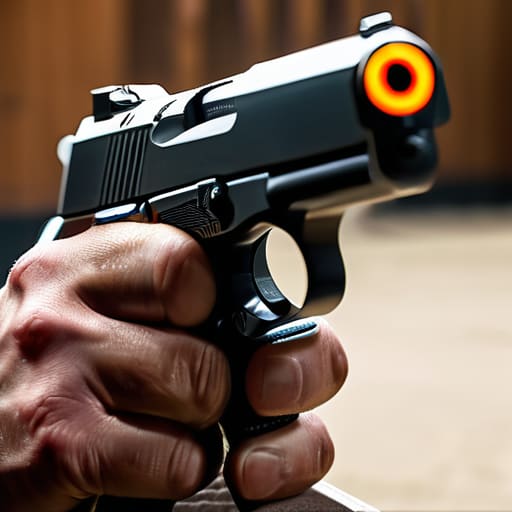
Now, some folks think the rules are just there to keep the range officers from having to blow a whistle, but in bullseye, the rules are the framework for your entire performance. When you’re looking at the NRA bullseye shooting rules, you aren’t just looking at safety protocols—though those are the foundation—you’re looking at the structure of the match itself. Whether it’s the specific timing for slow fire or the strict requirements for how you handle your firearm between stages, these aren’t suggestions. They are the boundaries that turn a hobby into a disciplined sport.
I’ve seen plenty of talented shooters trip up because they treated the match like a casual afternoon at the local range. They’d forget to stay within their designated firing box or fail to follow the specific commands for loading and unloading. In this game, discipline is just as important as your trigger control. If you can’t follow the procedural rhythm of the match, your focus will shatter the moment you try to settle into a single hand pistol stance. You have to respect the process before you can expect to respect the target.
The Small Things That Make the Big Difference
- Don’t rush the trigger. In bullseye, the shot happens when the sight picture is perfect, not when your finger gets impatient. If you feel yourself pulling the gun to the left or right just to get the break, stop, breathe, and reset.
- Get your grip right before you even pick up the gun. I see too many folks trying to “muscle” the recoil. A consistent, relaxed, yet firm grip is what builds that muscle memory. If you’re white-knuckling it, your fundamentals are already gone.
- Watch your breathing, but don’t hold it until you turn blue. You want to find that natural respiratory pause—that little window between breaths where your body is still but not strained. That’s your window to squeeze.
- Treat your equipment with respect. If you’re using a dedicated bullseye pistol, keep those sights clean and the action smooth. A grit-filled slide or a dirty sight isn’t just a maintenance issue; it’s a distraction that’ll ruin a perfect string of shots.
- Practice the boring stuff. You don’t get better by only shooting when you’re feeling “in the zone.” You get better by doing your dry-fire drills in your living room and checking your stance every single time you step onto the line. Consistency is born in the repetition.
The Bottom Line
Forget the flashy hardware; bullseye shooting is won or lost on your ability to control your breathing and your trigger press, not the brand of pistol you’re holding.
Respect the clock and the rules, because in this discipline, a perfect shot that breaks the timing window is just a wasted round.
Treat the slow-fire process as a mental exercise in discipline, making sure every single shot is a deliberate, repeatable action rather than a rushed attempt to hit steel.
The Long Game
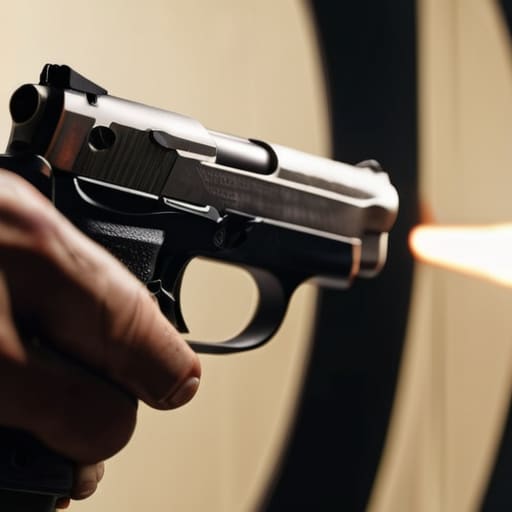
Getting into bullseye pistol isn’t about buying the most expensive custom trigger job or chasing the newest optic. It’s about the slow, methodical work we’ve talked about: mastering that slow-fire rhythm, respecting the rules of the discipline, and building a foundation of unshakeable fundamentals. If you can’t control your breathing or maintain a consistent sight picture when your heart rate climbs, all the fancy gear in the world won’t save your score. You have to embrace the boring parts of the process—the dry fire, the trigger control, and the repetitive drills—because that is where the actual shooting happens.
I’ve spent twenty years on the line, and I can tell you that the shooters who stick around aren’t always the ones with the most natural talent. They are the ones who have the patience to treat every single shot like it’s the only one that matters. Don’t get discouraged when your groups look like a shotgun pattern in the beginning; just keep your muzzle pointed in a safe direction, keep your eyes on the front sight, and trust the process. If you get the habits right, the scores will eventually follow. Just take it one shot at a time.
Frequently Asked Questions
Do I really need a specialized target pistol to start, or can I use my standard service handgun for training?
Look, I’ve seen plenty of folks think they need a custom piece with a weighted barrel and a hair trigger before they can even start. You don’t. If your service handgun is clean and the sights are true, use it. The goal here is teaching your brain and your grip to be consistent. A specialized pistol just makes the target look bigger; it won’t fix a shaky trigger finger. Master the basics with what you have first.
How much of my time should be spent on actual trigger control drills versus just dry-firing at home?
If you’re asking me, you’re already thinking about it the right way. Dry-firing at home is where the real work happens; it’s where you build that muscle memory without the distraction of recoil or noise. I’d say aim for a 70/30 split. Spend the bulk of your time at the kitchen table, perfecting that trigger press until it’s invisible. Use your time on the range to validate what you’ve already mastered.
What kind of ammunition should I be looking for to ensure I'm getting consistent velocities for precision work?
You want to look for “target loads” or “subsonic” rounds, specifically those labeled as target ammunition. In my experience, you’re looking for consistency over raw power. Avoid the cheap bulk brass; the weight variations alone will ruin your grouping. Look for a specific grain weight and a brand that’s known for tight tolerances. If you can, find a batch that stays consistent from box to box. Precision isn’t about speed; it’s about predictability.




