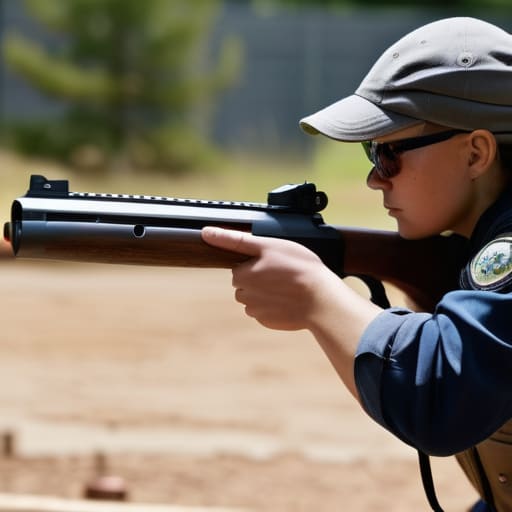
I’ve spent twenty years standing on the line at the club, and if there’s one thing I’ve learned, it’s that people love to overcomplicate things. You’ll see folks buying expensive tactical training kits or reading fifty-page manuals, thinking that’s the secret to safety. But when it comes to how to supervise a young shooter, all that gear and theory won’t save you when a kid gets distracted by a bird or a friend shouting from the sidelines. Real supervision isn’t about having the most advanced equipment; it’s about watching the hands, not the target.
I’m not here to give you a lecture or a list of theoretical “what-ifs” that you’ll forget by lunch. I want to talk about the unglamorous, repetitive habits that actually keep a range safe when things get loud and chaotic. I’m going to walk you through the specific, practical steps I’ve used for two decades to ensure that every session ends with everyone walking back to their trucks in one piece. We’re going to focus on the small, quiet checks that most people ignore, because that is where the real work happens.
Teaching Kids Gun Discipline Before They Reach the Line
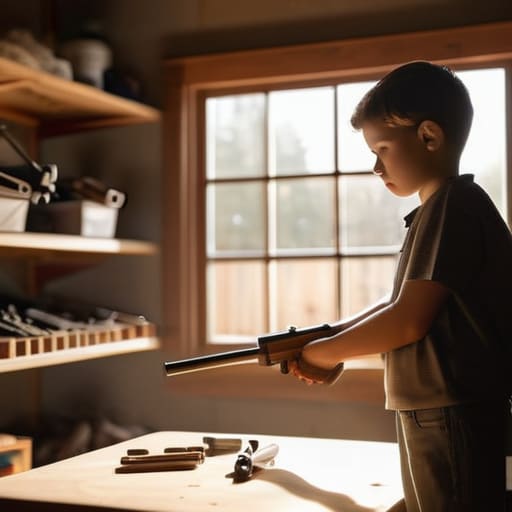
You don’t wait until you’re standing on a hot line at the club to start the conversation. By then, the noise, the smell of powder, and the excitement are already working against you. Real teaching kids gun discipline starts in the living room or the garage, long before they ever touch a trigger. I’ve seen plenty of kids freeze up when they finally get a real firearm in their hands because they haven’t internalized the basics. You want them to understand that a tool is only as safe as the person holding it.
Start with the “dry” stuff. Show them how to treat a piece of wood or a deactivated model exactly like a loaded weapon. If they can’t respect a piece of pine, they won’t respect a steel receiver. It’s about building muscle memory for the right things—pointing in a safe direction and keeping a finger off the trigger—so those actions become automatic. This kind of responsible gun ownership training isn’t about fear; it’s about respect. If you treat the process with a certain level of gravity at home, they’ll carry that weight with them when they finally step up to the bench.
Preventing Accidental Discharges in Youth Through Constant Vigilance
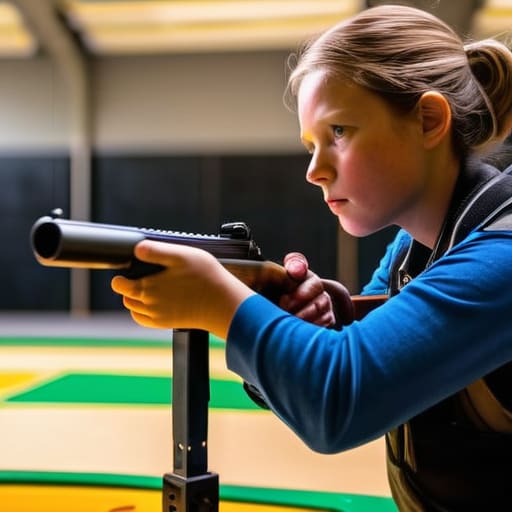
When you’re on the line with a kid, you can’t afford to be looking at your phone or checking your gear. I’ve seen plenty of adults get distracted by a conversation, and that’s exactly when a finger wanders where it shouldn’t. Preventing accidental discharges in youth isn’t about reacting to a mistake; it’s about staying in their bubble so you can see the muscle twitch before the trigger is even touched. You need to be close enough to feel the tension in the air, watching their hands with more focus than you’d give a target.
It’s easy to think a child understands the mechanics, but they don’t. They see a tool, not a potential hazard. This is where responsible gun ownership training moves from theory to reality. You aren’t just watching them shoot; you are monitoring their grip, their muzzle direction, and their index finger. If you see that finger start to creep toward the trigger guard, you intervene immediately—no lectures, no drama, just a firm correction. You have to be the external conscience for their hands until those movements become second nature.
The Five Things I Watch For When I'm Standing Behind You
- Keep your hands visible and your eyes on theirs. If you’re looking at your phone or checking the wind while a kid is handling a firearm, you’ve already lost the battle. You need to be close enough to feel the tension in the air, not just watching from ten feet away.
- Make them verbalize every single action. I don’t care if they think they know what they’re doing; I want to hear them say, “I am clearing the chamber” or “The magazine is out.” If they can’t say it, they aren’t thinking about it, and if they aren’t thinking, they’re a liability.
- Treat the unloading process with the same respect as the shooting itself. Most mistakes happen when the adrenaline drops and people get sloppy during the teardown. Watch them clear the action, and watch them again once they think they’re finished.
- Establish a “command and response” system early. A kid shouldn’t just nod when you give a safety instruction; they need to acknowledge it out loud. It builds a mental circuit that connects your voice to their immediate physical response.
- Don’t correct the mistake after the fact; catch the movement before it completes. If you see a finger drifting toward a trigger guard, you step in right then. If you wait until the hammer falls to tell them they were wrong, you’ve missed the entire point of being a supervisor.
The Essentials of a Safe Range Session
Don’t just watch the trigger finger; watch the eyes and the body language, because a kid who loses focus is a kid who’s about to make a mistake.
Make the “clear and safe” check a ritual, not a chore, so they do it automatically every single time the gun leaves their hands.
Keep your voice steady and your instructions short, because if you start panicking or lecturing, they’ll stop listening and start fidgeting.
The Long Game
At the end of the day, supervising a young shooter isn’t about being a drill sergeant; it’s about being a consistent presence. We’ve talked about building discipline at home long before they ever touch a trigger, and we’ve covered why you can’t afford to look away for even a second while they are on the line. It’s the small, unglamorous stuff—the constant muzzle awareness, the verbal commands, and the repetition of the basics—that actually keeps everyone safe. If you try to skip the boring parts of supervision, you’re just waiting for a mistake to happen, and in this sport, mistakes don’t give you second chances.
I’ve spent twenty years watching people come through my range, and the ones who truly thrive are the ones who respect the tool more than they crave the thrill. When you teach a child to supervise themselves through your own example, you aren’t just teaching them how to shoot; you are teaching them the weight of responsibility. It’s a slow process, and it isn’t always exciting, but when you see a kid instinctively check their chamber or instinctively point a muzzle in a safe direction without being told, you know you’ve done your job. That’s how we keep the sport alive and, more importantly, how we keep it safe.
Frequently Asked Questions
What do I do when a kid gets distracted or starts playing around while they're actually holding the firearm?
The moment that gun isn’t the center of their world, you step in. Don’t yell; just move. I walk up, place my hand near—but not on—the firearm, and I wait. You tell them, “The gun is a tool, not a toy. If you aren’t focused, the tool goes on the table.” We clear the action, set it down, and we don’t pick it up again until they can look you in the eye and show they’re ready.
How do I know if a young shooter is actually understanding the safety rules or if they're just nodding their head to please me?
Don’t take a nod as a sign of understanding. I’ve seen plenty of kids nod just to get back to the fun part. If you want to know if the lesson actually stuck, stop talking and start watching their hands. Ask them to demonstrate a specific movement—like a clear chamber check or a muzzle sweep—without you prompting them. If they have to think about it, they haven’t learned it yet. Real safety is muscle memory.
At what point is a child actually mature enough to handle a firearm without me hovering over their shoulder every second?
You don’t look for maturity in their age; you look for it in their boredom. A kid who gets frustrated because they missed a shot, or one who starts fidgeting with their gear when things get slow, isn’t ready. They’re ready when the safety becomes as natural as breathing and they stop treating the firearm like a toy. Until they can demonstrate consistent, unprompted muzzle control when they’re tired or distracted, you stay right there.




