I’ve spent twenty years standing on the line at the club, and if there’s one thing I’ve learned, it’s that people love to overcomplicate things. I see folks buying expensive tactical gear and high-speed training videos, thinking that a faster motion is the same thing as a better one. They treat it like a choreographed dance instead of a mechanical process. Most of them are so focused on the speed of the movement that they completely forget the fundamentals of how to practise the draw safely. I’ve watched enough “fast” draws end with a finger halfway to the trigger before the gun is even clear of the holster, and let me tell you, speed is nothing without control.
I’m not here to sell you on some flashy, high-speed drill that’ll get you a bruise or a trip to the ER. What I want to do is walk you through the unglamorous, repetitive work that actually builds muscle memory. We’re going to focus on the boring stuff—the grip, the clearing, and the finger placement—the things that most people skip because they aren’t “exciting.” If you do these things right, the speed will come on its own, and more importantly, you’ll actually be able to keep your finger off that trigger until you’re ready to engage.
Mastering Firearm Drawing Fundamentals Without the Flash
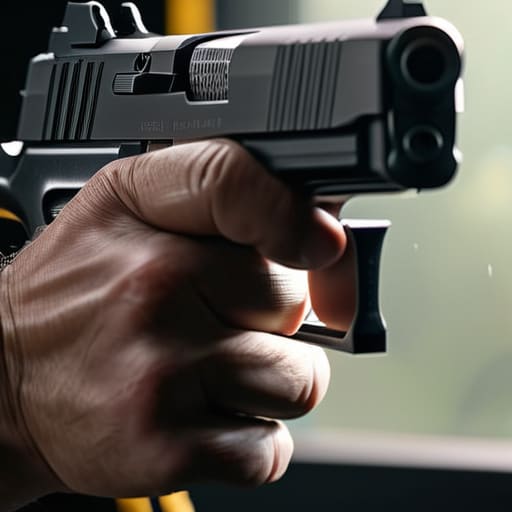
Most folks see a video of a professional instructor and think they need that level of speed. They don’t. What they actually need is a repeatable, boringly consistent process. When you’re working on your firearm drawing fundamentals, the goal isn’t to look like a character in a movie; it’s to ensure that your hand knows exactly where the trigger guard is without you having to think about it. I’ve seen plenty of shooters try to rush the movement before they’ve even mastered the grip, and that is exactly how you end up with a very expensive mistake.
You have to build that muscle memory for drawing through slow, deliberate repetitions. I always tell my students to start at a pace that feels almost too slow to be useful. If you can’t do the movement perfectly in slow motion, you have no business trying to do it at speed. This is where most people fail—they skip the slow work and jump straight to the fast work, thinking they’re practicing. In reality, they’re just practicing how to be sloppy. Keep your eyes on your target, keep your finger indexed away from the trigger, and focus on the mechanics until they become second nature.
Safe Holster Placement the Foundation of Every Rep
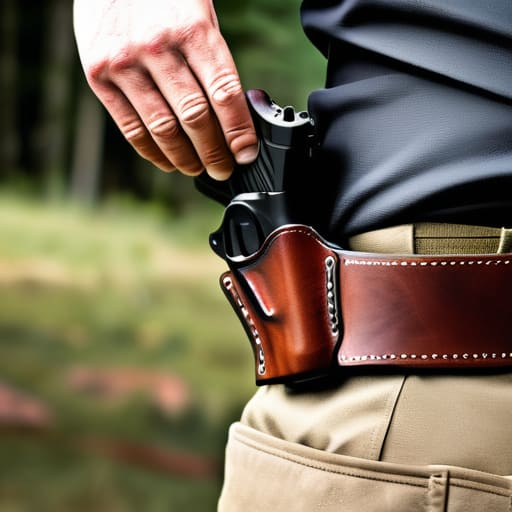
Most folks think the draw starts with the hand, but it actually starts with where you strap that holster. If your holster is sitting too low, you’re going to fight your own clothing every time you reach for it; if it’s too high, you’ll end up snagging your gear and losing that clean line of motion. I’ve spent twenty years watching people trip over their own setups because they didn’t take five minutes to find the right sweet spot. You need to ensure your safe holster placement allows for a clear, unobstructed path from the holster to your centerline without your elbow or your shirt getting in the way.
Once you find that spot, you have to respect it. A holster isn’t just a pouch; it’s a boundary. When you’re working on your muscle memory for drawing, you need to be aware of how your body moves around that hardware. If the holster shifts during a session, your entire sequence changes, and that’s when mistakes happen. Don’t just slap it on and hope for the best; check the tension and the positioning every single time you step onto the line.
Five Ways to Keep the Line Safe While You Work
- Start with an empty gun. I don’t care how much you think you’ve cleared it; if you’re practicing the draw, there shouldn’t be a single piece of brass in that chamber. Check it, then check it again.
- Use a dedicated training holster. Don’t practice your draws in your waistband or a pocket. You need a stable, repeatable platform that doesn’t shift, or you’re just training yourself to be sloppy.
- Watch your finger like a hawk. The most common mistake I see is a “pre-emptive” finger. Your index finger needs to stay glued to the frame until the muzzle is pointed at the target and you’ve made the decision to shoot.
- Respect your surroundings. Even if you’re in your backyard, treat the space like a live range. Clear the area of pets, kids, or anything that shouldn’t be in the path of a potential mistake.
- Slow is smooth, and smooth is fast. Don’t try to be a character in an action movie. Practice the movement at a snail’s pace until the mechanics are muscle memory. If you can’t do it slowly and safely, you have no business trying to do it quickly.
The Bottom Line on a Clean Draw
Forget the movies; a safe draw isn’t about speed or looking fast, it’s about a predictable, repeatable path that keeps your finger off the trigger until the muzzle is on target.
Your holster is part of your gear, not an afterthought—if it’s sitting wrong on your belt or rubbing your skin, you’re going to compensate with bad form, and that’s when mistakes happen.
Muscle memory is built on the boring stuff, so practice the slow, deliberate mechanics of the draw until the movement is so ingrained you don’t have to think about where your index finger is.
The Long Game
At the end of the day, practicing your draw isn’t about how fast you can clear leather or how much noise you can make. It’s about the small, repetitive things: ensuring your holster sits where it won’t snag, keeping your finger strictly out of the trigger guard until the sights are on target, and making sure your movement is deliberate rather than rushed. If you skip the fundamentals of placement and grip, you aren’t building skill; you’re just building bad habits that eventually lead to mistakes. I’ve spent twenty years watching people try to shortcut this process, and the results are never good. Stick to the mechanics, respect the equipment, and don’t let your ego outpace your discipline.
Real proficiency in this sport doesn’t come from a single breakthrough moment or a flashy video; it comes from the quiet, unglamorous work you do when nobody is watching. It’s the thousandth time you check your clearance or the way you meticulously inspect your gear before you even step onto the line. When you treat the draw as a disciplined ritual rather than a stunt, you stop being a liability and start being a marksman. Get the boring stuff right, and the rest of the shooting will take care of itself. Safety is a lifelong practice, so make sure you’re practicing the right things.
Frequently Asked Questions
How do I know if my holster is actually seated right, or if I'm just getting used to it being uncomfortable?
There’s a difference between “new gear” discomfort and a holster that’s actually working against you. If it’s just a bit of pinching or a new sensation on your hip, you’re likely just getting used to the weight. But if the holster is shifting every time you move, or if you’re having to fight it to clear the holster during a draw, it isn’t seated right. A good holster should stay put. If it moves, you’re practicing bad habits.
Should I be practicing my draw with an empty firearm, or is there a better way to build the muscle memory without the risk?
You can practice with an empty firearm, but you have to treat it like it’s loaded. If you start getting sloppy because there’s no primer to strike, you’re just building bad habits, and bad habits are what cause accidents. I’d suggest using a dedicated blue training gun or a weighted dummy round. It builds the same muscle memory without the mental shortcut of thinking, “It’s fine, it’s empty.” Treat every draw like the real thing.
If I'm practicing at home, what's the best way to make sure I'm not developing bad habits that I'll have to unlearn later at the range?
The biggest mistake I see is people practicing “dry” without a plan. If you’re at home, you need a dedicated space where your muzzle stays pointed in a safe direction, even if there’s no gun in your hand. Use a blue gun or a weighted trainer. If you practice with a real firearm and your finger wanders to that trigger before you’re ready, you aren’t practicing; you’re just rehearsing a disaster.




