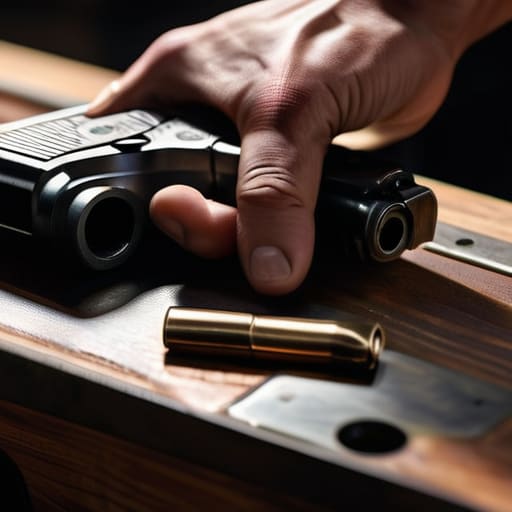
I’ve spent twenty years standing on the Saturday morning line, and if there’s one thing I’ve learned, it’s that people love to overcomplicate the simple stuff. You’ll see guys spending thousands on high-tech gear or watching complex tactical videos, thinking they’ve mastered safety, but they still fail at the basics. I’ve sat there silently counting how many times a new shooter glances at their chamber, waiting for that third check that never comes. They think a single look is enough, but they don’t realize that complacency is a habit, and habits are what cause accidents. If you aren’t practicing how to confirm a firearm is unloaded three times with total mechanical intent, you aren’t actually being safe; you’re just being lucky.
I’m not here to give you a lecture or some polished, theoretical manual. I want to talk about the unglamorous, repetitive work that happens before you even touch a trigger. I’m going to show you the specific, physical ritual I use to ensure a gun is dead empty, focusing on the checks nobody watches you do. We’re going to strip away the ego and get down to the actual mechanics of a proper clearance.
Mastering the Visual and Physical Inspection
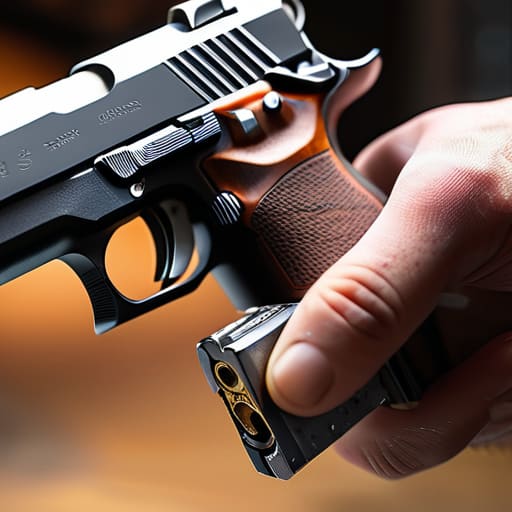
First, you have to get past the habit of just looking. I’ve seen plenty of folks glance into a chamber, see daylight, and think they’re good to go. That’s where the trouble starts. You need to perform a proper visual and physical inspection that involves more than just your eyes. If you’re clearing a handgun safely, you don’t just peek; you stick a finger in there. You feel the edges of the extractor, you sweep the feed ramp, and you make sure there isn’t a round tucked up in the corner that your eyes missed because of the lighting or a bit of carbon buildup.
Once you’ve seen it, you have to feel it. This is the part of safe handling practices that separates the veterans from the beginners. I tell my students that if you haven’t physically touched the empty space where a cartridge should be, you haven’t actually confirmed anything. It’s about building a muscle memory of certainty. You aren’t just checking a box; you are proving to yourself, with your own hands, that the machine is inert. If you skip the touch, you’re just gambling on your eyesight.
The Discipline of Clearing a Handgun Safely
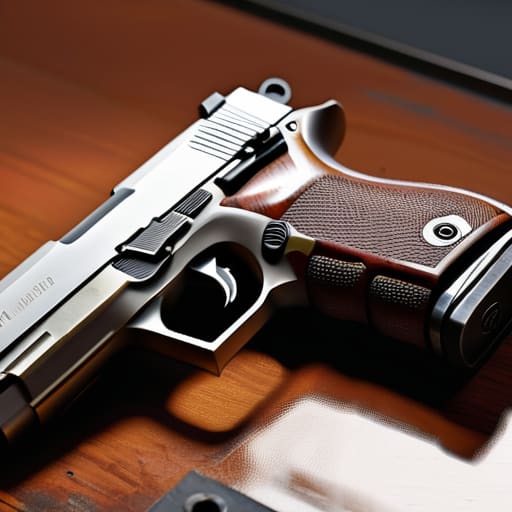
When you’re working with a semi-auto, the process for clearing a handgun safely is a bit different than a bolt action, and that’s where the complacency usually creeps in. I’ve seen plenty of folks pull the magazine, feel good about themselves, and then forget that the chamber is still a loaded room. You have to treat that slide like it’s a loaded spring. Once the mag is out, you pull that slide all the way back and hold it there. Don’t just let it snap forward. You need to keep it locked open so you can actually see into the guts of the machine.
This is where the real work of chamber inspection techniques comes into play. While you’re holding that slide back, I want you to look, then I want you to reach in with a finger if you have to, and actually feel that there isn’t a brass casing sitting in there. It sounds repetitive, but preventing accidental discharge isn’t about being fancy; it’s about being thorough. You aren’t just checking a box; you are verifying reality. If you don’t see daylight in that chamber, you aren’t done.
The Three Checks You Can't Afford to Skip
- Don’t just trust your eyes; use your finger. When you’re looking into that chamber, I want you to actually feel the empty space with a cleaning rod or a finger if it’s safe to do so. Sight alone can play tricks on you when you’re tired or distracted.
- Clear the magazine first, every single time. I’ve seen too many folks try to inspect a chamber while a fresh mag is still seated in the well. You haven’t actually cleared the gun until that magazine is out and sitting on the table far away from the firearm.
- Make the chamber a stage for your inspection. Don’t just peek at it; lock the slide back or open the bolt and leave it there. If you’re working on a handgun, keep that slide locked open so the empty chamber is staring you right in the face while you move to your next task.
- Check the magazine itself. It’s a simple habit, but once that magazine is out of the gun, pull the follower up with your thumb. Make sure there isn’t a stray round hiding in the bottom of the mag that you missed during your initial reload.
- The “Third Check” is the one you do when you think you’re done. Before you set the tool down or put it in the case, do one last sweep. Look at the chamber, look at the mag well, and look at the magazine. If you’ve done those three, you’ve done the job right.
The Three Habits That Keep You Safe
Don’t trust your eyes alone; you need to physically feel the empty chamber with your finger to make sure your eyes aren’t playing tricks on you.
Treat the clearing process like a ritual you can’t skip, even if you’ve just checked the gun five minutes ago or you’re in a hurry to get to the range.
Safety isn’t about being dramatic, it’s about the boring, repetitive work of verifying the status of your firearm every single time it changes hands.
The Habit That Saves Lives
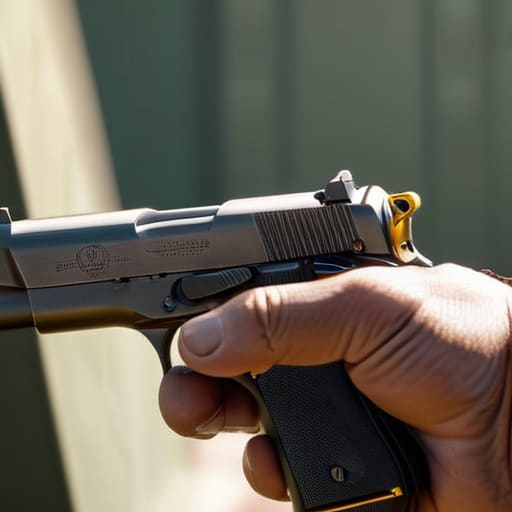
At the end of the day, confirming a firearm is empty isn’t about a single moment of intense focus; it’s about the repetition of the mundane. You’ve got to pull that slide or bolt, you’ve got to look into that chamber with your own eyes, and you’ve got to physically feel that nothing is sitting in there. If you skip the visual check because you “know” it’s empty, or if you skip the physical check because you’re in a hurry to get to the car, you’re inviting the exact kind of mistake I’ve spent twenty years watching on this range. Make the triple-check your default setting, not something you only do when you feel like being extra careful.
I’ve seen plenty of folks come through here who are great shots, but they lack the discipline of the unglamorous stuff. They want the glory of the bullseye, but they treat the clearing process like a chore to be rushed through. Real proficiency in this sport isn’t measured by your grouping on a paper target; it is measured by the quiet consistency of your safety habits. When you walk off this line, I want you to be the person who doesn’t have to think twice about whether that gun is clear, because you’ve already made the ritual a part of who you are. Get the basics right, and the rest will take care of itself.
Frequently Asked Questions
What do I do if I can't see clearly into the chamber because of the lighting or the type of firearm?
If you can’t see clearly, you don’t guess. Period. If the lighting is bad or the chamber is recessed, stop right there. Use a flashlight—not your phone’s flash, a real dedicated light—to peer in. If that still doesn’t give you a clear view, you use your finger. Physically feel the chamber to ensure it’s empty. If you can’t see it and you can’t feel it, treat it like it’s loaded.
Does it matter if I check the magazine and the chamber in a different order each time?
It doesn’t matter which one you do first, as long as you do both. But if you’re asking me, I’d suggest pulling the magazine before you ever touch that slide or bolt. If you clear the chamber first while there’s still a loaded mag in the well, you’re just inviting a mechanical error or a jammed casing to make your life difficult. Magazine out, chamber empty, eyes on the brass. That’s the order.
If I'm working on a bolt-action rifle, is checking the magazine enough, or do I still need to do the full three-step ritual?
If you think checking the magazine is enough, you’ve already lost the battle. I’ve seen plenty of folks get complacent because they “know” the mag is empty, but a spring can fail or a round can get stuck in the feed ramp. You treat that bolt-action exactly like anything else on my line. Pull the bolt, look in the chamber, and physically touch the brass. The ritual doesn’t change just because the action does.




