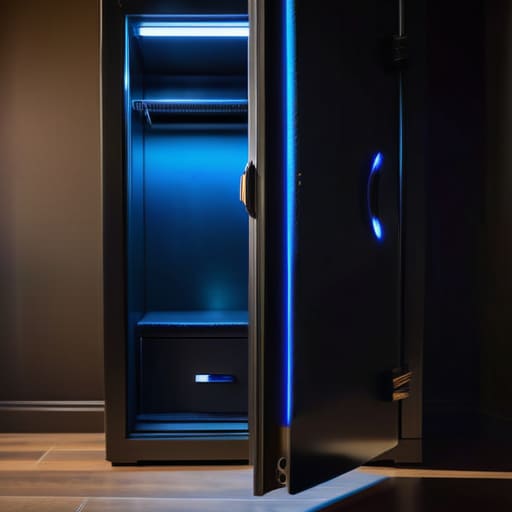
I’ve spent twenty years standing on the line at the club, watching people make mistakes they’ll regret for the rest of their lives. Most of those mistakes aren’t born from malice; they’re born from a bad habit or a moment of laziness. I see people buying five-thousand-dollar biometric safes thinking a fingerprint scanner is a magic shield, but they still leave the key in the drawer or leave the gun sitting on the workbench “just for a second.” If you’re trying to figure out how to store a firearm with a teenager in the house, you need to stop looking for a high-tech gadget to solve a human problem. A fancy lock won’t save you if your routine is sloppy.
I’m not here to sell you on the latest piece of overpriced hardware or give you a lecture that sounds like a legal disclaimer. My goal is to walk you through the unglamorous, daily habits that actually keep a home safe. We’re going to talk about the real-world friction of secure storage—the locks that actually work, the habits that stick, and the checks you need to perform every single time you walk through your front door.
Hardening the Home With Smart Gun Safe Security Features
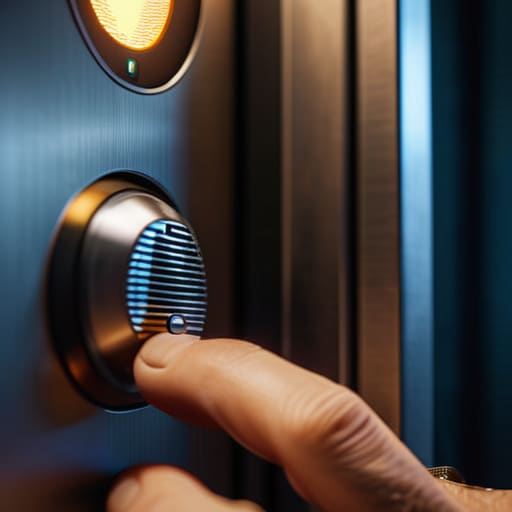
Most folks buy a safe thinking the heavy steel is enough, but steel alone won’t stop a curious kid who knows where the code is hidden. You need to look closely at specific gun safe security features that add layers of friction. I’ve seen plenty of “security” that’s really just a suggestion. If your safe uses a simple dial or a common keypad, your teenager likely already has the combination memorized just by watching you. I always recommend moving toward something that requires more than just a memorized number—think biometric locks or heavy-duty electronic systems that don’t leave a “trail” for a kid to follow.
The goal here is to make the process of getting to a firearm tedious enough that a moment of impulse turns into a moment of hesitation. That hesitation is where responsible gun ownership parenting actually happens. I also tell my students that a safe isn’t a complete solution if the ammo is sitting in a plastic bin right next to it. You need to be securing ammunition separately, ideally in a different locked container entirely. If they can’t make a round, they can’t make a mistake.
Securing Ammunition Separately to Break the Chain of Access
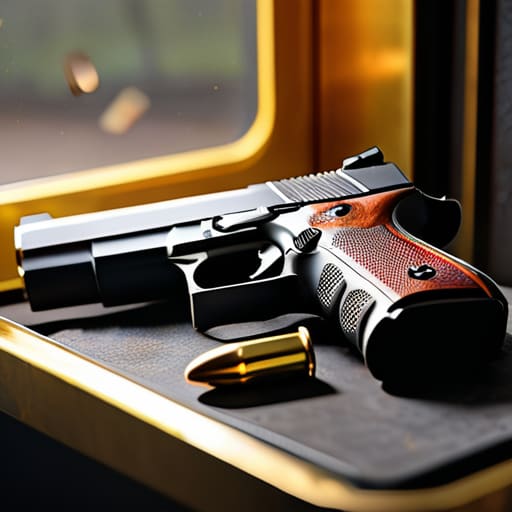
I’ve seen it a dozen times: a kid finds a way past a lock, but they don’t find a way to make it go bang. That’s because they didn’t find the brass. If you want to truly practice responsible gun ownership parenting, you have to stop thinking about the firearm as the only piece of the puzzle. A gun without ammo is just a heavy piece of steel, and in a house with curious teenagers, that distinction is everything.
I always tell my students that securing ammunition separately is the most effective way to break the chain of access. You can have the most expensive biometric firearm locks on the market, but if a teenager manages to bypass them, having the ammunition locked in a separate, dedicated small safe or a heavy-duty lockbox adds a critical layer of defense. It turns a potential tragedy into a much simpler conversation about boundaries. It’s about making sure that even if one barrier fails, the whole system doesn’t come crashing down.
Five habits to close the gaps in your home security
- Stop relying on the “quick access” myth. If you’re leaving a handgun in a bedside drawer because you think it’s convenient, you aren’t being prepared; you’re being negligent. If it isn’t in a locked safe, it isn’t secured. Period.
- Check your locks more often than you think you need to. I’ve seen hinges that were loose and electronic keypads that were sticky. If a teenager can bypass your security with a heavy screwdriver or a bit of luck, that lock isn’t doing its job.
- Keep the “how-to” out of reach. Don’t leave your cleaning kits, disassembly diagrams, or even your range manuals sitting on a coffee table. Curiosity is a powerful thing, and you don’t want them learning the mechanics of your tools by accident.
- Treat your safe like a living thing. Don’t just set it and forget it. Once a month, I walk up to my storage and run the combinations, check the seals, and make sure everything is exactly where it should be. Routine prevents complacency.
- Talk about the “why,” not just the “no.” When you explain that the rules exist because a mistake is permanent, it sticks better than just barking orders. They need to understand that these habits aren’t about being strict; they’re about making sure everyone stays safe.
The Bottom Line on Keeping Things Secure
A safe is only as good as the habit behind it; if you aren’t locking it every single time you walk away, you haven’t actually secured anything.
Separation is your best friend—keep the ammo in a different locked spot than the firearms so a curious kid can’t just grab a box and make a loaded weapon on the fly.
Don’t rely on “common sense” or “knowing your kids”; rely on physical barriers and layers of security that work even when you aren’t looking.
The Last Check Before You Walk Away
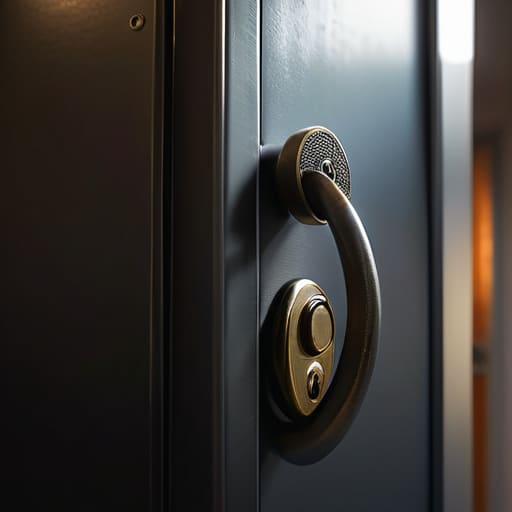
At the end of the day, securing your home isn’t about buying the most expensive biometric safe on the market or having a high-tech security system. It comes down to the basics we’ve talked about: using a safe with actual locking mechanisms, keeping your ammunition in a separate, locked container, and never—ever—leaving a loaded firearm out in the open. It is about breaking the chain of access so that a moment of teenage curiosity doesn’t turn into a life-altering tragedy. If you treat your storage routine like a chore you can skip when you’re tired, you’re essentially leaving the door cracked open for an accident to happen.
I’ve spent twenty years watching people on the range, and I can tell you that the most dangerous person in the room is usually someone who thought they didn’t need to double-check. Safety isn’t a one-time setup; it is a continuous habit that you practice every single time you put your gear away. You do these things not because you don’t trust your kids, but because you respect the tools you own and the people you love. Get the unglamorous stuff right, keep your routines tight, and you’ll sleep a whole lot better knowing you’ve done your part.
Frequently Asked Questions
If I use a quick-access biometric safe, is that actually reliable enough for a kid who might be tech-savvy?
Look, I’ve seen plenty of kids who can bypass a smartphone passcode in under thirty seconds. If you’re relying on a biometric safe, you have to realize that “quick access” is a double-edged sword. It’s great for you in a hurry, but a tech-savvy teenager sees a digital lock as a puzzle to solve, not a barrier. Don’t treat a biometric scanner as your only line of defense. Use it, but back it up with something mechanical.
How often should I be checking my storage setup to make sure it hasn't become part of the "background noise" in the house?
The problem with safety is that it’s boring, and boring things become background noise. You stop noticing the lock is sticking or the key is sitting too close to the edge of the desk. I tell people to do a formal check once a month—treat it like a scheduled maintenance on a machine. But more importantly, if you find yourself skipping the check because you “know” it’s fine, that’s exactly when you need to do it.
Is there a way to keep my gear accessible for a quick response without making it an easy target for a curious teenager?
You’re looking for that middle ground between a locked-down vault and a gun lying on the coffee table. I get it. You want speed, but speed shouldn’t come at the cost of security. The answer is a quick-access biometric safe or a high-quality electronic lockbox. It’s fast enough for you, but it’s a wall to a kid. Just remember: if they can figure out your code or find your fingerprint, the safe might as well not be there.




