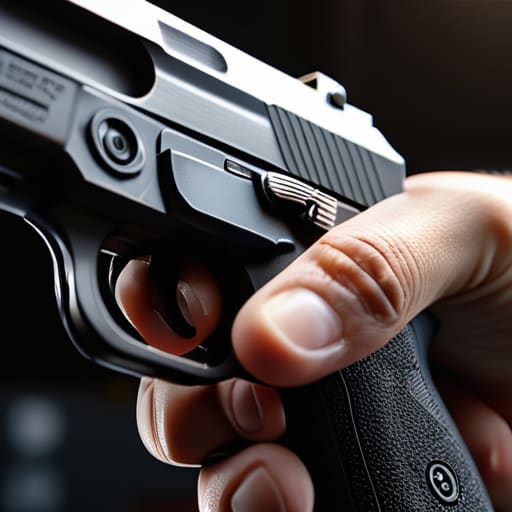
I’ve spent twenty years standing on the line at the club, and if there’s one thing I’ve learned, it’s that people love to overcomplicate the simple stuff. I see shooters buy five-thousand-dollar setups and high-speed tactical gear, yet they still fumble the most basic movement when it comes to how to clear a firearm safely. They treat it like a specialized maneuver they saw in a movie, rather than a quiet, rhythmic habit that should be as natural as breathing. I’ve watched plenty of “experts” rush through the process because they think speed equals proficiency, but in my experience, speed is usually just a shortcut to a mistake you can’t take back.
I’m not here to give you a flashy demonstration or a list of tactical jargon you’ll never use at the range. What I want to do is walk you through the unglamorous, repetitive motions that actually keep you and the people around you out of harm’s way. We’re going to focus on the physical checks—the ones that happen when nobody is watching—to ensure that clearing your weapon becomes a permanent part of your muscle memory. If you get the mechanics right, the rest of the sport takes care of itself.
The Magazine Removal Process Your First Line of Defense
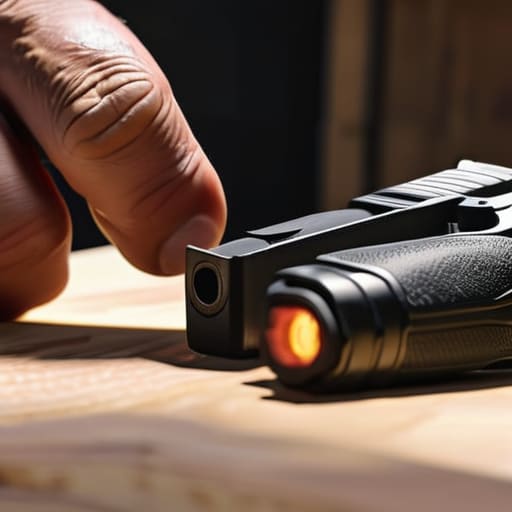
Before you even think about looking into the chamber, you have to deal with the source of the problem: the magazine. I’ve seen plenty of folks try to skip this step or rush through it because they think they’ve already emptied the gun. That’s where the trouble starts. The magazine removal process isn’t just a mechanical step; it’s your first real opportunity to break the cycle of potential error. Press that release, let the mag drop, and get it out of your reach immediately. Don’t just set it on the bench next to the gun where it can be bumped back in; put it in your pocket or a dedicated pouch.
Once that magazine is clear, you’ve effectively removed the fuel from the fire, but you haven’t finished the job. You can’t rely on a feeling or a guess that the gun is empty. You need to move toward visual and physical verification by cycling the action. I tell my students that if you haven’t seen the empty brass through the port and felt that empty space with your eyes, you’re still working with a loaded weapon.
Mastering Chamber Inspection Techniques for Total Certainty
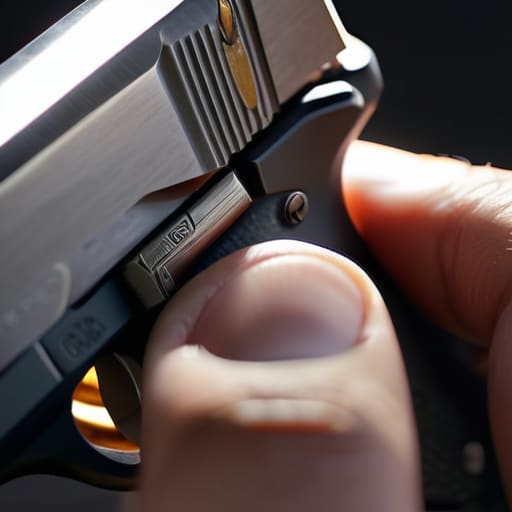
Once the magazine is out of the way, you’re still not in the clear. I’ve seen too many folks pull the slide back, see daylight, and think they’re done. That’s where the trouble starts. You need to move beyond a simple glance and commit to visual and physical verification. I tell my students to treat the chamber like it’s loaded until they’ve actually put a finger in there to feel the emptiness. If you’re working with a semi-auto, lock that slide to the rear and lean in. Don’t just look for a shadow; look for the actual brass-colored void where a round should be.
If you’re clearing a loaded handgun or a bolt action, the principle remains the same: never trust your eyes alone. Your eyes can play tricks on you in low light or when you’re rushing to get to the next drill. I want you to make a habit of physically checking that empty space every single time, no matter how many times you’ve done it before. It’s a slow, deliberate movement. It might feel redundant, but redundancy is what keeps you and everyone else on the line safe.
Five habits to keep the line safe
- Stop relying on your eyes alone; when you pull that slide or bolt back, I want you to look for that empty space, but I also want you to feel it with your eyes focused on the mechanics of the movement.
- Treat the magazine release like it’s part of the clearing process, not an afterthought; if that mag isn’t out of the well, you haven’t actually started clearing the gun.
- Keep your finger indexed high and tight against the frame throughout the entire sequence, because the moment you start fiddling with the chamber is the moment your muscle memory is most likely to fail you.
- Don’t just rack the action once and assume you’re good to go; cycle it a second time to ensure no brass is hung up or stuck in the feed ramp, which is where most of those “oops” moments start.
- Make the physical inspection a ritual that never changes, whether you’re at a busy club or just cleaning up in your own garage; consistency is what stops a habit from becoming a hazard.
The Three Habits That Keep You Safe
Treat the magazine release like it’s part of your muscle memory; if the magazine isn’t out of the well, the gun isn’t truly empty.
Don’t just look for daylight in the chamber—use your eyes and your physical movement to verify that nothing is sitting in that breech.
Stop rushing the clearing process once you think you’re done; the danger lives in the seconds where you get complacent and skip a step.
Making It Muscle Memory
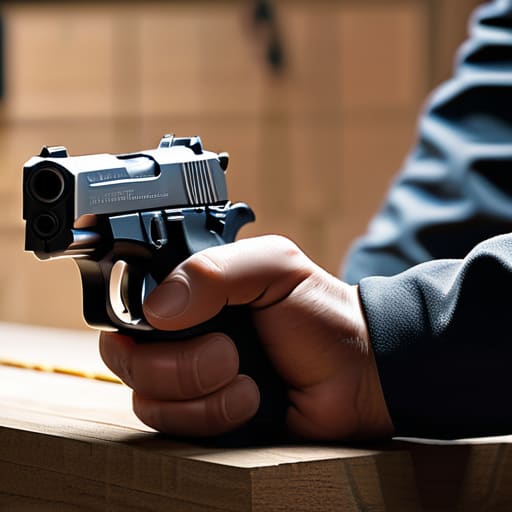
At the end of the day, clearing a firearm isn’t about following a checklist you read in a manual; it’s about the sequence of removing the magazine, cycling the action, and then physically verifying that empty space in the chamber. I’ve spent twenty years watching people rush through these steps because they think they know better, or because they’re in a hurry to get to the actual shooting. But speed is a byproduct of competence, not a substitute for it. If you skip the magazine removal or fail to look directly into the breech, you aren’t being efficient—you’re being dangerous.
I want you to think of these checks not as chores, but as a ritual. When you’re out on the line, these movements should be as natural as breathing, something your hands do before your brain even has to process the command. We don’t practice these habits to pass a test; we practice them so that when we’re tired, distracted, or hurried, our hands don’t betray our intentions. Get the unglamorous part right, and you’ll find that the real shooting becomes a much more peaceful experience. Safety isn’t a burden you carry; it’s the foundation that lets you enjoy this sport for a lifetime.
Frequently Asked Questions
What do I do if I clear the chamber but the magazine is still seated in the well?
You’ve cleared the chamber, which is a good start, but you aren’t finished yet. A seated magazine is a loaded gun waiting for a chance to happen. Once that chamber is empty, you need to drop that magazine immediately. Don’t just leave it sitting there thinking you’re safe because the slide is back. Pull the release, let it hit the ground, and then verify that empty space one more time. Keep the cycle complete.
Is it enough to just look into the ejection port, or do I need to physically stick a finger in there?
If you’re just glancing at the ejection port, you’re gambling. I’ve seen plenty of shooters think they’re clear because the chamber looks empty, only to find a round seated deep in the recess. You need to physically verify that space. Use your finger or a dedicated tool to feel the chamber. It’s about tactile certainty. Don’t trust your eyes alone; trust what you can actually touch. That’s how you make it a habit.
How do I handle a firearm that seems to be stuck or won't cycle properly during the clearing process?
If it doesn’t cycle, stop. Don’t force it. I’ve seen folks try to muscle a stuck slide or bolt, and that’s exactly when a round finds its way into the chamber unexpectedly. If it’s jammed, keep the muzzle pointed downrange, keep your finger off the trigger, and step back. If you can’t clear it with a gentle, controlled movement, it’s time to put it down and get someone with more experience to look at it.




