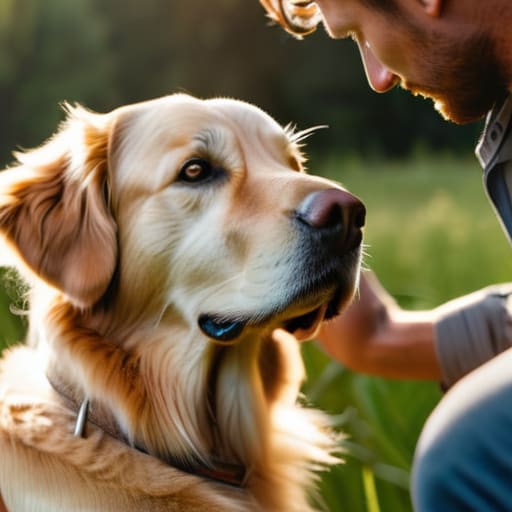
I was out on the back forty last autumn, working on a stubborn Mauser, when a golden retriever I’d never seen before decided that my spent brass looked a lot like chew toys. He came charging through the brush, ears flapping, right toward the line of fire just as I was clearing the action. It wasn’t a dramatic explosion or anything out of a movie; it was just that sudden, heart-stopping realization that your focus had shifted from your target to a moving, unpredictable animal. Most people think you just need a longer leash or a fence, but if you want to know how to shoot safely with a dog nearby, you have to realize that distraction is the real hazard, not just the distance.
I’m not here to sell you on some high-tech training collar or a fancy gated enclosure. I’ve spent twenty years watching people make mistakes on the range, and most of them stem from a lack of routine, not a lack of gear. In this post, I’m going to walk you through the unglamorous, boring habits you need to build so that your dog stays out of the way and your focus stays on the shot. We’re going to talk about zone management and the mental checks you need to make before you even uncase your rifle.
Firearm Safety Protocols for Pet Owners You Cant Ignore
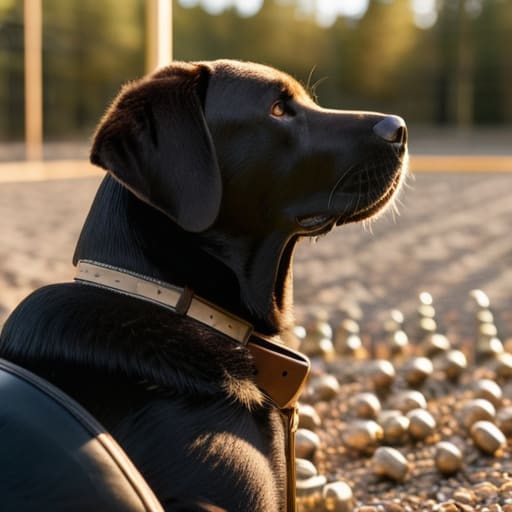
Most folks think safety is just about where you point the muzzle, but when you’ve got a dog in the mix, you have to expand that mental map. I’ve seen plenty of good people get distracted by a dog running toward a scent, and in that split second of distraction, their muzzle wanders. You need to establish firearm safety protocols for pet owners that are as automatic as your trigger reset. That means your dog stays behind a physical barrier or a designated “safe zone” that is clearly defined before the first round is ever chambered. If they aren’t behind a fence or on a short, heavy-duty lead, they shouldn’t be in your immediate workspace.
It isn’t just about where they stand, though; it’s about the sensory impact. I’ve spent enough time on the line to know that a sudden crack can send a well-trained animal into a panic, and a panicked dog is an unpredictable dog. If you’re serious about protecting canine hearing from gunfire, don’t just rely on them being “used to it.” Use muffs or wraps. If they aren’t wearing protection, you’re just waiting for a startled bolt toward the line.
Preventing Gun Accidents With Animals Before They Happen
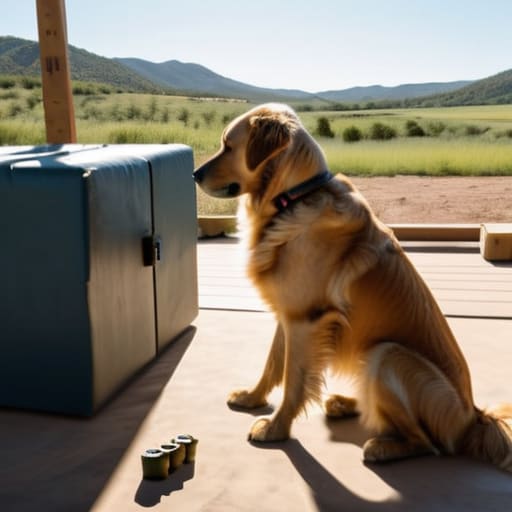
The best way to handle a dog on the range isn’t through a quick command right as you’re aiming; it’s through the setup you do before the first round is even chambered. I’ve seen too many people get distracted by a dog sniffing a gear bag or wandering toward the line, and that split second of distraction is exactly when a mistake happens. You need to establish a dedicated “safe zone” for your animal—a crate, a tether, or a specific rug—that is well outside your immediate movement area. If they aren’t in that spot, they shouldn’t be near your feet.
Beyond just physical distance, you have to think about the sensory side of things. Most people focus on the muzzle, but they forget about the noise. If you’re working on managing hunting dogs in the field, you know they react to sound. I always tell folks that canine ear protection isn’t just a suggestion; it’s a necessity if you want a dog that stays calm instead of bolting. If they aren’t startled by the first shot, they’re much less likely to create a chaotic situation that pulls your attention away from your firearm.
Five Habits for Keeping the Line Clear of Four-Legged Distractions
- Establish a “No-Go Zone” with physical markers. Don’t just rely on your dog’s training; use a heavy gear bag or a specific crate to mark a boundary they aren’t allowed to cross. If they can’t see the boundary, they won’t respect it, and a wandering dog is a distraction you don’t need when you’re focused on a target.
- Manage the “Fetch Reflex” during your reload. I’ve seen it happen—a shell casing hits the ground, bounces, and a dog thinks it’s a new toy. If you’re shooting a semi-auto, keep your brass catcher handy or make it a habit to clear your area of spent brass before you even think about letting the dog move.
- Treat a distracted dog like a person breaking a safety rule. If your dog starts circling your feet or lunging toward a sound, you stop. You don’t “power through” the shot. You clear the firearm, secure it, and address the dog. You don’t shoot around a distraction; you eliminate the distraction first.
- Use a tether, even if they’re “perfect.” A long lead anchored to a heavy object or a dedicated stake gives you a failsafe. It’s not about a lack of trust in your pet; it’s about accounting for the sudden, unpredictable noise of a shot that might send them bolting in the wrong direction.
- Secure your gear from curious noses. A dog doesn’t know the difference between a cleaning rod and a chew toy, and they certainly don’t know what a loose magazine smells like. When you aren’t actively using your kit, it goes in a closed case or a high cabinet. If it’s within their reach, it’s a hazard.
The Three Non-Negotiables
Establish a “Safe Zone” perimeter that is physically blocked off, because a dog’s curiosity doesn’t respect your muzzle direction.
Make the muzzle check a reflexive habit every time you transition from a seated position to standing, especially if your dog is roaming the area.
Never assume your pet is “trained” enough to ignore a loud report; treat every animal on the range like a distracted shooter who hasn’t learned their fundamentals yet.
The Final Check
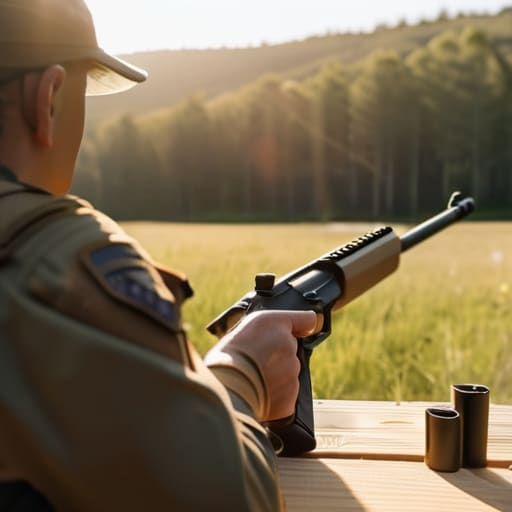
At the end of the day, shooting with a dog isn’t about learning some complex new tactical maneuver; it’s about the basics. It’s about the physical barrier you set up, the way you scan the perimeter before you even uncase your gear, and the discipline to keep your pet on a tether or behind a fence until the range is cold. If you’ve done the work—if you’ve secured your gear, managed your environment, and never skipped a single safety check—then you’ve done the heavy lifting. Most accidents I see on the Saturday morning line aren’t caused by a lack of skill, they are caused by a lapse in habit. Don’t let a distracted pet be the reason you stop being a responsible owner.
I’ve spent twenty years watching people walk onto the range, and the ones who last are the ones who respect the variables they can’t control. A dog is a living, breathing variable that doesn’t care about your groupings or your pace. But when you integrate that awareness into your routine, you aren’t just being safe; you’re being a professional. Treat your safety protocols with the same respect you give your equipment, and you’ll find that the sport becomes much more rewarding. Master the unglamorous habits, and the rest of the shooting will take care of itself.
Frequently Asked Questions
What do I do if my dog is one of those high-drive breeds that won't stay in a crate or on a mat while I'm working?
If you’ve got a high-drive dog that treats a mat like a suggestion rather than a rule, you have to change your environment, not the dog. Stop trying to force them to settle while you’re handling steel. Instead, use a physical barrier—a heavy-duty gate or a separate room—that creates a true “no-go” zone. If you can’t physically prevent them from entering your immediate workspace, you aren’t ready to be handling firearms in that area.
Is it actually safer to use a long lead, or does that just create more tripping hazards on the line?
That’s a fair question, and it’s one I hear at the club every other Saturday. Honestly? A long lead is a double-edged sword. If it’s dragging across the ground, you’re just creating a trip hazard for yourself or the person next to you, and that’s how someone ends up with a startled gun. I prefer a short, fixed tether to a heavy object or a dedicated station. Keep the dog stationary, keep the line clear, and keep the focus on the target.
How can I tell if my dog is getting stressed by the noise before they actually bolt or snap?
You won’t always see a dog bolting or growling first. Usually, they tell you much earlier through the small stuff. Watch for the “pacing”—that restless, circular walking when they can’t settle. Look for the whites of their eyes showing, what we call whale eye, or a tucked tail. If they’re licking their lips or yawning when there’s no food or tiredness in sight, they’re stressed. That’s your cue to pause the line.




