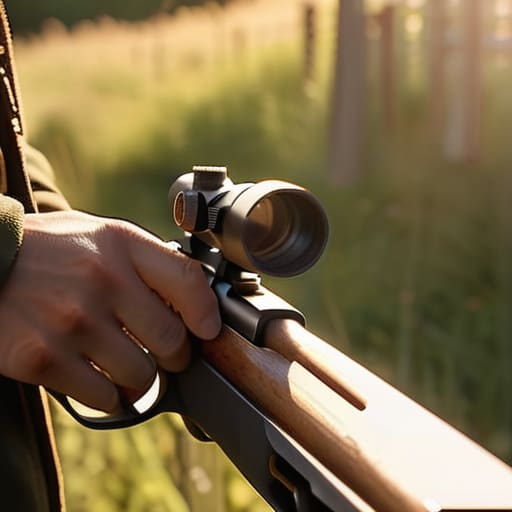
I was standing on the edge of a dry creek bed about five years back, watching a guy try to navigate a rusted barbed-wire perimeter while clutching a loaded rifle like it was a precious heirloom. He was so focused on not snagging his trousers that he completely forgot where his muzzle was pointing, swinging it wildly toward the brush every time he stepped over a rail. Most people think that learning how to cross a fence with a firearm is about having the right tactical holster or some high-speed gear, but they’re dead wrong. It isn’t about the equipment you’re wearing; it’s about the muscle memory you haven’t built yet.
I’m not here to sell you on a new way to carry or some fancy mountain-climbing technique. I’m going to walk you through the unglamorous, repetitive checks that keep you from becoming a statistic when the terrain gets difficult. We’re going to talk about muzzle direction, finger placement, and why your mindset has to change the second your boots leave the flat ground. If you get these fundamentals right, the obstacle becomes secondary to the safety of everyone around you.
Secure Firearm Carry Techniques for Rugged Terrain
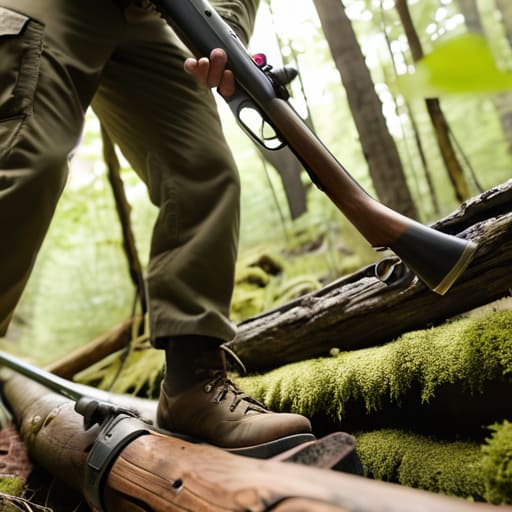
When you’re moving through heavy brush or stepping over a split-rail fence, your center of gravity is constantly shifting. That’s when things get dicey. If you’re carrying a long gun in your hands, the best approach is to keep it slung tightly across your back or held by the forestock with the muzzle pointed downhill and away from your body. I’ve seen too many folks try to carry a rifle at the ready while scrambling up a bank, only to have the barrel snag a branch and whip right toward their own face.
If you’re using a sling, make sure it’s adjusted short enough that the rifle doesn’t swing like a pendulum while you’re climbing. You want secure firearm carry techniques that prioritize stability over quick access. If you have to use both hands to pull yourself over a ledge, the rifle shouldn’t be in your hands at all; it should be secured to your body. Preventing accidental discharges while climbing comes down to one simple truth: if your hands aren’t free to stabilize yourself, they shouldn’t be on the trigger or the action.
Preventing Accidental Discharges While Climbing Obstacles
The biggest mistake I see isn’t someone being reckless; it’s someone being tired. When you’re halfway up a cedar post fence or scrambling over a fallen log, your brain shifts from “safety mode” to “get over this thing mode.” That’s exactly when the mechanical errors happen. To focus on preventing accidental discharges while climbing, you have to treat the obstacle as a distraction that is actively trying to make you sloppy. If you’re using a sling, make sure it isn’t looped around your forearm or snagged on a branch. A snagged sling can jerk the muzzle upward or, worse, pull your finger toward the trigger guard just as you’re finding your footing.
I always tell the new folks that safe firearm movement in the field starts with your hands. If you need both hands to pull yourself up, the gun shouldn’t be hanging on your shoulder. I’ve seen enough near-misses to know that a gun sliding off a shoulder during a climb is a recipe for a disaster. If you can’t maintain a firm, controlled grip on the firearm while moving, you haven’t found a safe way to carry a gun over obstacles yet. Stop, reset, and secure it before you take that next step.
The Five Checks Before You Step Up
- Clear the chamber and lock the bolt back before your feet even touch the fence. I don’t care if you’re just crossing a garden gate or a wire perimeter; if the gun isn’t empty and open, you’re looking for trouble.
- Keep your muzzle pointed in a safe direction, even when you’re mid-climb. Most people get so focused on where their boots are landing that they let the barrel wander toward their own legs or a buddy standing on the other side.
- Use a sling to secure the weight, but don’t let it become a tripwire. A well-adjusted sling keeps the rifle tight to your body so it doesn’t swing out and catch on a barb or a post while you’re scrambling.
- Keep your trigger finger indexed and well away from the guard. The physical strain of pulling yourself up a fence is exactly when people start getting sloppy with their grip, and that’s when a finger slips.
- Establish a “landing zone” on the other side before you commit to the climb. Don’t just vault over and hope for the best; make sure you have a clear, stable place to set the firearm down once you’re back on level ground.
The Three Non-Negotiables
Treat every climb as a high-risk movement; once your feet leave the ground, your situational awareness and muzzle control are the only things keeping that firearm safe.
Clear your chamber before you even reach the obstacle, and if you’re unsure, make it a habit to do it again once you’re on the other side.
Never use your firearm as a handhold or a lever to pull yourself up—a slip during a climb is when a mechanical failure or a finger on the trigger becomes a tragedy.
The Habit of the Fence Line
At the end of the day, crossing a fence isn’t about how much gear you’re carrying or how fast you can clear the obstacle; it’s about the small, repetitive actions that keep the line safe. You’ve got to manage your muzzle direction, keep that finger indexed away from the trigger, and ensure your firearm is physically secured so it doesn’t become a pendulum while you’re scrambling over timber. It sounds simple because it is, but simplicity is where the discipline lives. If you find yourself rushing because you’re tired or the weather is turning, that is exactly when you need to slow down and double-check your mechanics.
I’ve spent twenty years watching people walk onto the range, and the ones who stick around are the ones who treat these procedures like breathing. They don’t do it because a manual told them to; they do it because they understand that a single moment of sloppiness can undo a lifetime of good practice. Don’t view these checks as a chore or an interruption to your hike. View them as the foundation of the sport itself. When you make these movements second nature, you aren’t just protecting yourself—you’re protecting everyone else on the field. Get the boring stuff right, and the rest of the shooting will take care of itself.
Frequently Asked Questions
What’s the safest way to handle a long rifle when the fence is too high to step over easily?
When the fence is too high to step over, you don’t try to scramble with the rifle in your hands. That’s how a muzzle ends up pointing at your own leg or someone behind you. The safest way is to clear the obstacle first. Set the rifle down in a secure, upright position on the ground, clear it, and then climb. If you absolutely must carry it, keep it vertical, muzzle up, and use one hand to stabilize the stock while the other manages your climb.
If I’m carrying a loaded firearm for hunting, should I be looking to unload it before I start the climb?
If you’re hunting, you’ve got a specific job to do, but that doesn’t mean you ignore the fundamentals. If you can safely unload and secure the rifle in a case or a dedicated sling before you start climbing, do it. It’s the smartest move you can make. However, if you must keep it on you, ensure the safety is engaged and your finger is nowhere near that trigger. The climb is when people get sloppy.
How do I keep my gear from snagging on wire or brush while I’m mid-climb?
It comes down to how you’ve organized your kit before you even reach the fence. If you’ve got loose slings or unclipped pouches, you’re asking for trouble. I always tell people: tighten those slings down or tuck them. If you’re carrying a long gun, keep it in a dedicated scabbard or hold it high and close to your body. Don’t let a loose strap become a tripwire halfway up a climb.




