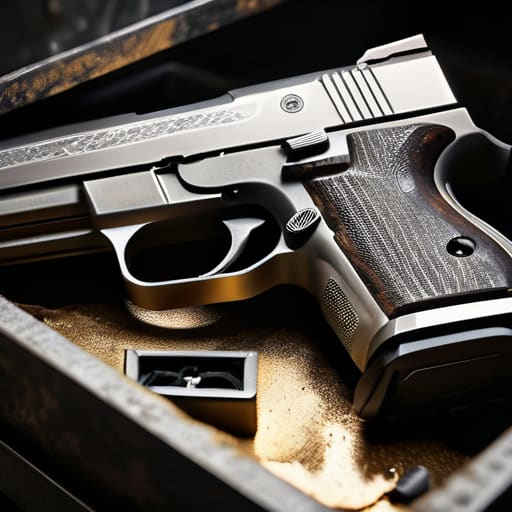
I spent most of yesterday morning in my workshop, working on an old Mauser that had been sitting in a damp basement for twenty years. When people ask me how to care for a firearm you rarely shoot, they usually expect me to start rambling about expensive, high-tech solvents or specialized cleaning kits that cost more than the gun is worth. That’s just not how it works. Most of the gear you see in those glossy catalogs is overkill for a piece that spends its life in a safe, but neglect is a different story entirely. I’ve seen enough rusted bores and seized actions at the club to know that the biggest mistake isn’t using the wrong oil; it’s assuming that if you aren’t pulling the trigger, you don’t need to be doing anything at all.
I’m not here to sell you a subscription to a cleaning club or a fancy new gadget. I want to talk about the unglamorous reality of maintenance—the simple, repetitive checks that keep a tool reliable when you actually need it to go bang. I’m going to walk you through the specific habits you need to develop so that your gear stays ready, whether you’re at the range every weekend or once a year. We’re going to focus on practicality over perfection.
Preventative Gun Maintenance for the Long Haul
Most folks think that if they aren’t out on the range, their gear is essentially on pause. That’s a mistake. If your rifle is sitting in a case or a safe for six months without a look-in, you aren’t just storing it; you’re letting it sit in a petri dish for corrosion. You need a consistent firearm lubrication schedule that isn’t tied to how many rounds you’ve put through the barrel. I always tell my students to treat the metal like any other precision machine—if it’s sitting, it needs a thin, even coat of oil to act as a barrier.
The real enemy isn’t time; it’s the air. Even in a locked safe, moisture finds a way. If you aren’t paying attention to gun safe humidity control, you’re basically inviting oxidation to do the work for you. I’ve seen plenty of beautiful old bolt actions come into my shop with pitting that could have been avoided by a simple desiccant pack or a dehumidifier. Preventative gun maintenance isn’t about being obsessive; it’s about making sure that when you finally do decide to pull the trigger, the mechanical parts actually move the way they’re supposed to.
Protecting Metal Surfaces From Oxidation While It Sits
If you’re tucking a rifle away for a few months, you can’t just wipe it down with a dry rag and call it a day. Moisture is a patient enemy; it doesn’t care that you haven’t pulled the trigger in six months. I’ve seen plenty of beautiful old receivers come out of a safe looking like they’d been pulled from a swamp because the owner skipped the basics. When you’re protecting metal surfaces from oxidation, you need a thin, consistent layer of high-quality oil or a specialized preservative. I always tell my students: if you can feel the metal with a dry fingertip, it’s likely not protected enough.
The environment where you keep your gear matters just as much as the oil you use. You can have the best firearm lubrication schedule in the world, but if your gun safe is acting like a sponge for humidity, you’re fighting a losing battle. I’m a big believer in using desiccant packs or a dedicated dehumidifier inside the safe. It’s much easier to manage the air in the box than it is to scrub pitting out of a barrel later on.
Five habits to keep the rust and the bad habits away
- Check your storage environment once a month. I’ve seen too many people put a rifle in a safe and assume it’s in a vacuum; if your basement is damp or your safe has a seal that’s gone bad, that moisture is going to find your steel regardless of how much oil you applied.
- Don’t just oil the barrel, check the action. If a firearm sits for a year, the factory grease in the trigger group or the bolt carrier can get gummy or even migrate away, and you don’t want to find that out when you’re trying to clear a malfunction at the range.
- Rotate your stock. If you have a few pieces you rarely use, don’t let them all sit in the same corner of the safe for three years straight; pull one out, run it through a cleaning cycle, and put a different one back in so you’re actually familiar with the mechanics of everything you own.
- Inspect your ammunition storage alongside the gun. It’s a waste of time to have a pristine firearm if the primers in your brass have been compromised by humidity; keep your boxes in a dry spot and check for any signs of corrosion on the casings before you even think about loading them.
- Practice the manual of arms without live rounds. When a gun has been sitting, your familiarity with it can slip; once a season, take that unchambered firearm and run through the loading, unloading, and clearing procedures just to make sure your muscle memory hasn’t gone soft.
The Bottom Line
A gun that sits is a gun that changes; don’t let neglect turn a reliable tool into a liability just because you haven’t pulled the trigger in six months.
Moisture is the enemy of everything you own, so if you aren’t using a high-quality preservative or a climate-controlled safe, you’re just waiting for rust to set in.
Maintenance isn’t a chore you do when you have time; it’s a habit you do so that when you actually need that firearm, it works exactly the way it’s supposed to.
The Bottom Line
At the end of the day, keeping a firearm ready when it isn’t seeing regular use comes down to a few simple, non-negotiable steps. It’s about more than just wiping down a barrel; it’s about the discipline of the routine. You have to manage that moisture, keep a thin, consistent layer of oil on the metal to fight off oxidation, and make sure your storage environment isn’t working against you. If you take the time to pull it out once a month, clear the dust, and check your lubricants, you aren’t just maintaining a piece of machinery. You are eliminating the variables that lead to malfunctions when you actually need that tool to work.
I’ve spent twenty years on the firing line, and I can tell you that the most reliable shooters aren’t always the ones with the flashiest gear or the most expensive setups. They are the ones who respect the mechanics of what they carry. Taking care of your gear when no one is watching is a habit that carries over into how you handle a weapon when the pressure is on. Treat your equipment with that level of consistent respect, and it will never fail you when it matters most. Get the unglamorous parts right, and the rest of the sport will take care of itself.
Frequently Asked Questions
If I'm storing a rifle in a safe for a long time, do I need to keep it oiled, or will that just attract dust and gunk?
It’s a fair question, and I hear it every Saturday. You don’t want a sticky mess, but you also don’t want rust. The trick is using the right amount. You aren’t looking for a heavy coating; you’re looking for a film. Wipe the metal down with a lightly oiled cloth—just enough so it looks dark, not wet. If it’s dripping, you’ve gone too far and you’ll be cleaning up gunk later.
How often should I actually be cycling the action on a gun I only use once or twice a year just to keep it moving?
I’d say once a month is plenty. You don’t need to strip it down, but you do need to move the parts. If a gun sits for six months without a single cycle, that old oil can turn into something resembling varnish, and you’ll find yourself fighting a stiff bolt when you actually need it. Pull the action, run it through a few cycles, and make sure nothing feels sticky or sluggish.
Is there a difference between using a standard gun oil and something specifically meant for long-term storage?
There is a difference, and it’s a big one. Standard gun oil is designed to lubricate—it stays wet so parts move smoothly during a string of fire. But if you coat a rifle in standard oil and put it away, that oil can actually attract dust or, worse, dry out and leave a gummy residue. For long-term storage, you want a dedicated preservative. It’s thicker, stays put, and creates a more reliable barrier against moisture.




