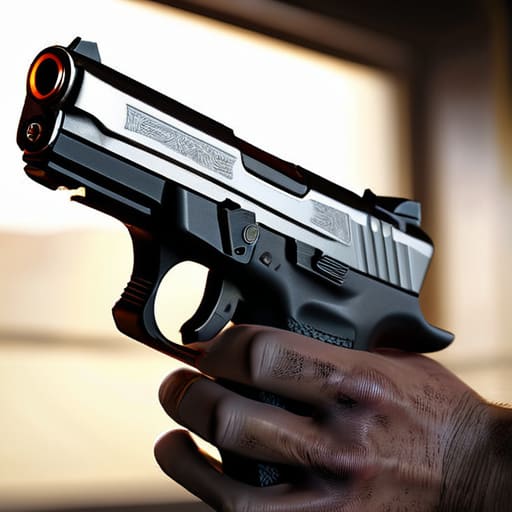
I’ve spent twenty years standing on the line at the club, and if there is one thing I’ve learned, it’s that people love to overcomplicate things that should be second nature. I see folks buying expensive tactical gear and high-end courses, yet they still stumble when it comes to the simple mechanics of how to hand over a firearm safely. I remember a guy last summer—good man, well-meaning—who tried to pass a loaded handgun to his buddy like he was handing off a cup of coffee. He wasn’t being careless on purpose; he just hadn’t turned the mechanics of the transfer into a muscle memory. He was relying on luck, and in my experience, luck eventually runs out.
I’m not here to give you a lecture or a list of rules you’ll forget the moment you leave the house. I want to talk about the unglamorous, repetitive habits that keep everyone on the line breathing easy. I’m going to walk you through the exact, no-nonsense procedure I expect every shooter to follow when passing a tool from one set of hands to another. We’re going to focus on the checks nobody watches you do, because getting those right is what makes the actual shooting possible.
Clearing a Handgun Before Handing Over the Zero Fail Check
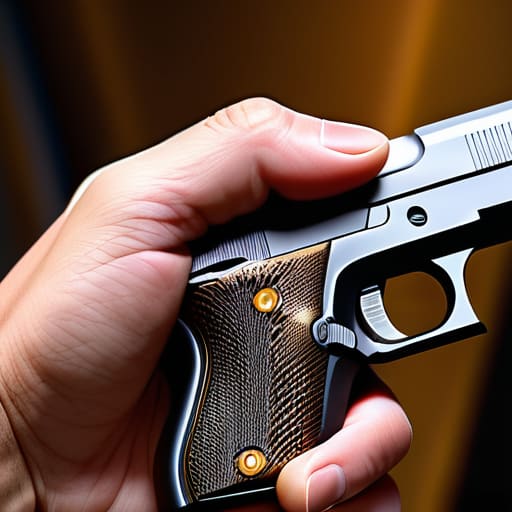
When you’re standing there about to pass a handgun to someone else, your brain might already be thinking about the next thing on your list. That’s exactly when things go sideways. Before the gun even moves toward the other person, you need to perform what I call the zero-fail check. This isn’t just about dropping the magazine; it’s about visual and physical confirmation. I want to see you pull the slide back, look into that chamber, and physically verify that it is empty. If you don’t see the brass-colored void, you haven’t finished the job.
Once you’ve confirmed it’s clear, you need to maintain strict finger off the trigger protocol while you’re transitioning the weight of the tool. A lot of folks think they’re safe because the gun is empty, but they let their index finger wander toward the guard during the movement. Don’t do that. Keep that finger straight and tight against the frame. You want to demonstrate safe gun handling for beginners by making the process look boring and mechanical. If it looks like a routine, it stays a routine. If it looks rushed, someone’s going to get hurt.
Muzzle Awareness During Handoff Keeping the Line Clear
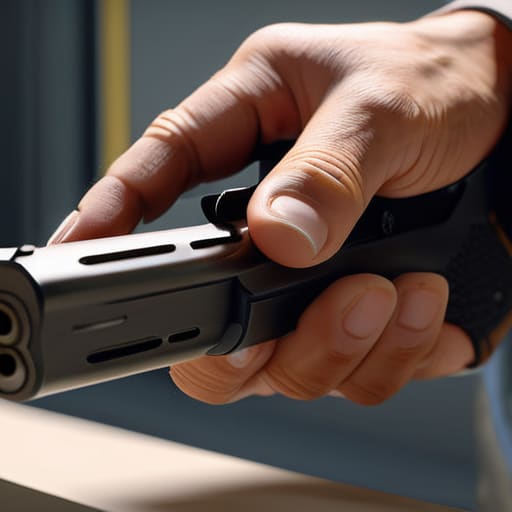
It doesn’t matter if the gun is empty; if that barrel is pointed at someone’s hip or a bystander while you’re moving it, you’ve already failed. I’ve seen plenty of guys get so focused on the mechanics of the slide or the magazine that they forget where the business end is actually aimed. You need to establish a constant line of sight on that muzzle. Before you even think about reaching out to the other person, you ensure the barrel is pointed in a direction that you consider “safe”—usually straight down at the ground or toward a dedicated backstop—and stays there throughout the entire exchange.
This is where muzzle awareness during handoff becomes a physical habit rather than a mental checklist. You don’t just swing the gun toward the recipient like you’re passing a baton in a relay race. You move the firearm, you stabilize it, and you wait for them to establish a firm grip before you let go. If you see someone’s muzzle wandering toward their own feet or a neighbor’s leg, you stop the process immediately. We don’t move on until that barrel is locked into a safe orientation.
The Five Habits of a Clean Handoff
- Open the action and leave it open. I don’t care if it’s a semi-auto or a bolt action; when you hand a gun to someone, the chamber needs to be a visible, empty void. Don’t rely on “it’s cleared”—make sure they can see the empty brass well for themselves.
- Lock the slide or bolt back. A gun that’s partially cycled is a gamble. By locking the action open, you’re providing a visual confirmation that stays put, preventing any “oops, I thought it was empty” moments halfway through the transfer.
- Remove the magazine every single time. Even if the chamber is clear, a magazine in the well is a loaded gun waiting for a mistake. Pull it out, set it on the bench, and keep it away from the person receiving the firearm.
- Control the grip, not the trigger. When you’re passing the tool, hold it by the frame or the grip, keeping your finger well away from the trigger guard. Never hand someone a firearm with your finger anywhere near that trigger, and don’t let them grab it in a way that puts their finger in the wrong place.
- The verbal confirmation. Don’t just pass and walk away. Say, “Clear,” or “Empty,” and wait for them to acknowledge it. It’s a simple bit of communication, but it closes the loop between what you think you did and what they think they’re receiving.
The Three Rules of the Handoff
Never rely on someone else’s word that a gun is clear; you clear it yourself, you look in the chamber yourself, and you don’t let go until you’ve seen the empty brass.
Control the muzzle like it’s part of your own arm, keeping it pointed in a safe direction throughout the entire transfer, regardless of how much you trust the person standing in front of you.
Make the transfer a slow, deliberate process rather than a quick hand-off; speed is where the mistakes live, and in this sport, we don’t rush the fundamentals.
The Habit of the Handover
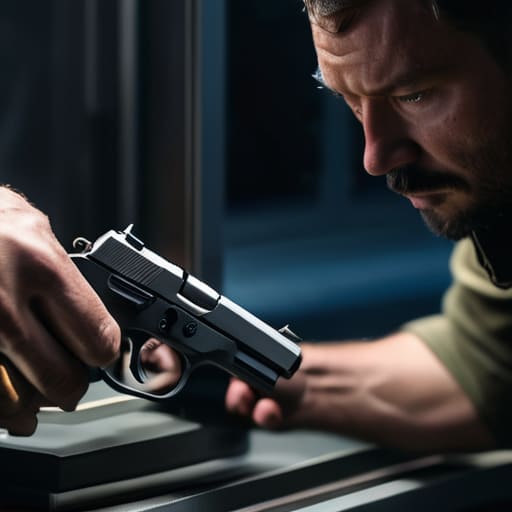
At the end of the day, a safe transfer isn’t about one big, heroic movement; it’s about the small, repetitive things you do right every single time. It’s clearing that chamber until you’re certain, keeping that muzzle pointed where it has no business being, and making sure the person receiving the tool actually understands what they are holding. If you skip the zero-fail check or get lazy with your muzzle awareness because you’re in a hurry, you aren’t just being efficient—you’re being dangerous. I’ve spent twenty years watching people try to cut corners, and I can tell you, the shortcut is always the most expensive mistake you’ll ever make.
I want you to think of these procedures not as chores, but as the foundation of being a real shooter. Anyone can pull a trigger, but it takes discipline to manage the steel and the brass with respect. When you master these unglamorous habits, you stop being someone who just “handles guns” and you start being someone people can actually trust on a firing line. Get the mechanics right, keep your eyes on the chamber, and let the shooting be the easy part. Safety isn’t a checklist; it’s your reputation.
Frequently Asked Questions
What do I do if the person I’m handing the gun to doesn't seem to be following my safety cues?
You stop. Right then and there. If they aren’t acknowledging your cues, the transfer doesn’t happen. I’ve seen plenty of folks try to “power through” a handoff to avoid looking awkward, but awkward is better than a trip to the ER. Put the firearm down on the bench, step back, and reset. You don’t negotiate safety. You wait until they’ve processed the instruction, or you simply walk away from the transaction.
Is it better to hand over a firearm with the magazine still inserted as long as the chamber is clear?
Look, if you want to do it by the book, pull the magazine. I’ve spent twenty years watching people get complacent because they think a clear chamber is a finished job. A magazine in the well is a loaded gun waiting for a mistake. Take the mag out, lock the slide or bolt back, and show them that empty space. It’s an extra five seconds, but it’s the difference between a drill and a disaster.
How do I handle a transfer if we are in a crowded area or a noisy environment where verbal commands might be missed?
When the range gets loud or the crowd’s thick, you stop relying on your voice and start relying on your eyes. If they can’t hear “clear,” they shouldn’t be touching the piece. Use hand signals—a flat palm to stop movement, or pointing clearly to the open chamber. Don’t rush the handoff just because it’s busy. Slow down. If you can’t visually confirm the firearm is empty, the transfer doesn’t happen. Period.




