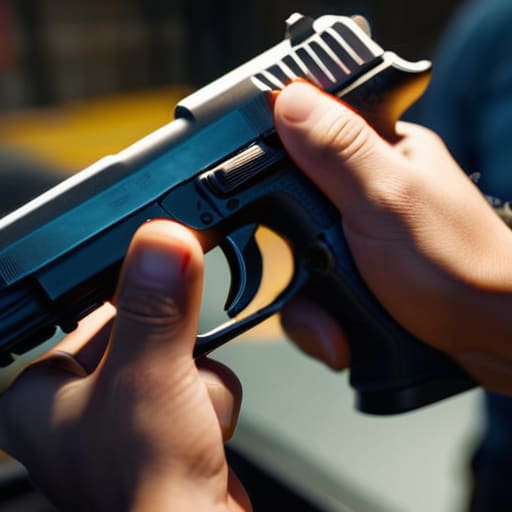
I’ve spent twenty years standing on the line at the club, and if there’s one thing I’ve learned, it’s that most people treat a handover like a casual exchange of a borrowed tool. I’ve watched plenty of well-meaning folks reach out and grab a piece before the previous owner has even finished their sentence, assuming that because they know the person, the risk is gone. But that’s exactly when things go sideways. Learning how to accept a firearm from another person isn’t about memorizing a complex manual or buying expensive gear; it’s about mastering the unseen habits that happen in those three seconds of contact.
I’m not here to give you a lecture or a list of rules you’ll forget by the time you hit the parking lot. I want to talk about the mechanics of the transfer—the eye contact, the muzzle direction, and the physical control of the weapon. I’m going to show you the procedural steps that turn a potentially dangerous moment into a non-event. We’re going to focus on the unglamorous, repetitive checks that ensure when that metal changes hands, everyone on the line stays safe.
Muzzle Awareness During Handoff the Habit That Saves Lives
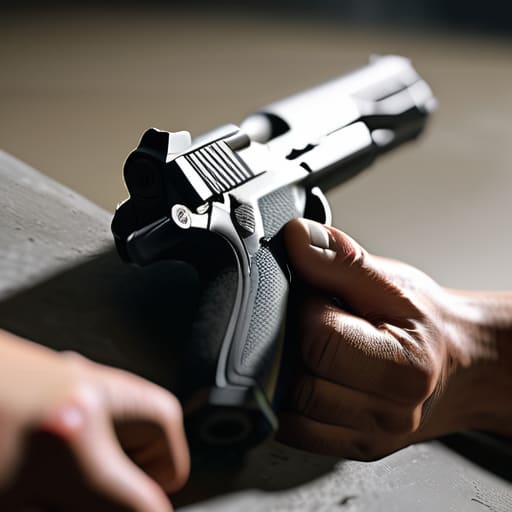
The first thing I look for when someone hands me a piece is where that barrel is pointing. It sounds elementary, but I’ve seen plenty of folks get so focused on the grip or the magazine that they let the muzzle wander toward their own hip or, worse, toward the person standing next to them. You need to establish muzzle awareness during handoff before your fingers even touch the frame. I tell my students to treat that barrel like it’s a loaded-and-ready pointer; if it isn’t aimed at a safe backstop or a floor that can take it, the transfer hasn’t even started yet.
It isn’t just about where the gun is pointing, though—it’s about the direction of the energy. Even if the person handing it to you is the most experienced shooter on the line, you don’t assume they’ve done their job. You maintain control of the orientation from the second it leaves their hands. Proper firearm handling etiquette means you aren’t just a passive recipient; you are an active participant in the safety of that moment. Keep that muzzle low, keep it steady, and never let it drift while you’re transitioning the weight.
Proper Firearm Handling Etiquette for a Respectful Transfer
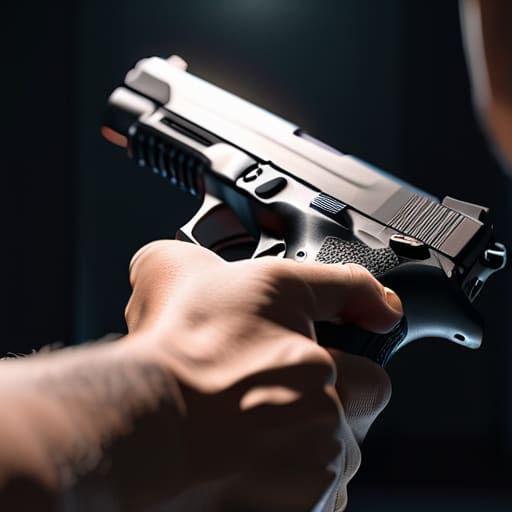
There’s a certain rhythm to a good transfer that goes beyond just not pointing the thing at someone. It’s about the space you keep between yourself and the other person. I’ve seen plenty of folks get a little too eager, leaning in too close or reaching across the other person’s body to grab the grip. That’s how things get bumped and how mistakes happen. You want to maintain a comfortable distance, creating a clear zone where both of you can see exactly what is happening. Part of that proper firearm handling etiquette is being patient; you don’t reach until the other person has fully presented the firearm and is ready to let go.
Once the physical handoff is happening, your focus needs to shift to the mechanics. Don’t just take the weight of the gun and turn around to walk away. You need to stay engaged with the person handing it to you until the transition is complete. This means keeping your eyes on the action and, if it’s a handgun, verifying the status of the slide yourself. Even if they told you it’s clear, your job is to confirm it. It isn’t about lack of trust; it’s about the habit of personal verification.
The Five Checks Before You Close Your Hand
- Watch the action, not the person. When someone hands you a piece, your eyes shouldn’t be on their face or their hands; they should be locked on the ejection port or the cylinder. I don’t care how much I trust the guy handing it to me—I trust the mechanics of the firearm, and I need to see that the chamber is empty with my own eyes.
- Control the weight. Don’t let them just drop it into your palms like a baton. Reach out, establish a firm grip on the frame or the grip, and take the weight of the gun from them. You want to be the one in control of the mass from the second it leaves their hands.
- The “Visual and Physical” double-tap. Once you’ve taken it, don’t just nod and walk away. Physically pull the slide back or open the action yourself. It’s a redundant habit, but redundancy is what keeps people in the game. If they say it’s clear, prove it to yourself.
- Mind the muzzle’s path. As you take the firearm, keep your own body out of the line of fire. People get so focused on the handoff that they let the muzzle wander toward their own chest or a bystander. Keep that barrel pointed in a safe direction—preferably downrange or at the floor—the entire time you’re transitioning control.
- Confirm the status out loud. A simple “Clear” or “Chamber empty” spoken aloud does two things: it tells the other person you’ve actually done the check, and it forces your brain to acknowledge the state of the weapon. It closes the loop on the transfer so there’s no guesswork left between you two.
The Three Habits of a Clean Transfer
Never reach for a gun that’s still being held; wait until the other person has physically presented it to you and you’ve seen the action is clear.
Keep your eyes on the muzzle and the chamber throughout the entire exchange, not just at the start.
Once you have control of the firearm, make it your own responsibility to perform a visual and physical check of the chamber immediately.
The Last Check
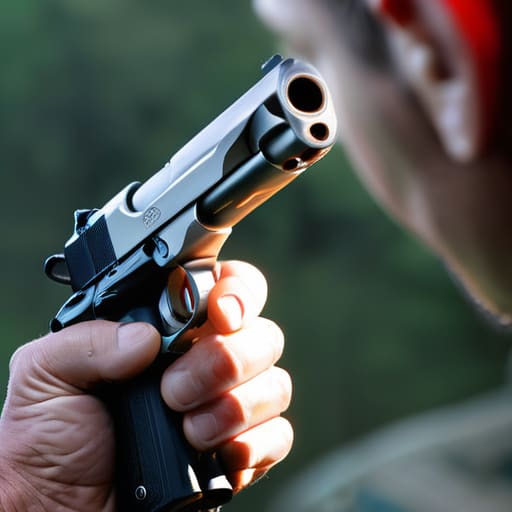
At the end of the day, a clean handoff comes down to three things: keeping that muzzle pointed in a safe direction, maintaining a steady eye on the action, and never letting the other person rush you. It isn’t about being slow; it’s about being deliberate. You need to see the chamber clear, you need to feel the weight of the tool in your own hands, and you need to be the one who ultimately confirms it is safe. If you skip the visual check or let someone shove a loaded piece into your grip just to save time, you aren’t just breaking etiquette—you are inviting a mistake that you can’t take back once the hammer falls.
I’ve stood on this line for twenty years, and I can tell you that the best shooters aren’t the ones with the fastest splits or the tightest groups. They are the ones who treat the equipment with a quiet, consistent respect before they ever pull a trigger. Mastering these small, unglamorous habits is what separates a hobbyist from a true marksman. Do the work when no one is watching, keep your standards high even when you’re tired, and remember that safety is a choice you make every single time you reach out your hand.
Frequently Asked Questions
What should I do if the person handing me the firearm hasn't actually cleared the chamber yet?
You stop right there. Don’t reach for it, and don’t let them finish the handoff. You just hold your ground and say, “Hold on, let’s clear that first.” It might feel awkward, like you’re correcting a friend, but that’s exactly why we do it. I’ve seen too many people get caught up in the politeness of a moment and end up with a live round in their lap. Wait for the click. Wait for the visual.
Is it okay to take the gun if they're still holding it, or should I wait for them to place it on a flat surface?
If you have the choice, always let them place it on a flat, stable surface. It’s the cleanest way to do it. When you take a gun directly from someone’s hands, you’re introducing a moment of shared control where things can get clumsy. If they must hand it to you, don’t just grab it. Wait for them to offer it, keep your eyes on the action, and make sure you’re the one firmly controlling the transfer.
How do I properly verify the firearm is empty without looking like I don't trust the person giving it to me?
Look, I’ve seen plenty of folks get awkward about this, but here’s the truth: verifying the chamber isn’t an insult; it’s the standard. You don’t need to make a scene. Just wait for them to present the firearm, then calmly bring the action toward your line of sight. A simple, “Mind if I double-check the chamber?” is all it takes. It’s not about lack of trust—it’s about making sure the habit is part of the process.




