
I’ve spent twenty years watching folks stand on my line, and I’ve seen the same look on a hundred different faces: that quiet frustration when the eyes don’t track quite as sharp or the hands don’t steady like they used to. Most of the “experts” will try to sell you some high-tech optic or a fancy new ergonomic grip, claiming that’s the secret to how to keep shooting as you get older. They’re wrong. Buying your way out of aging is a fool’s errand; you can’t outspend a change in your own physiology with a piece of glass and some aluminum.
What you actually need isn’t a bigger budget, but a smarter set of habits. I’m not here to give you a sales pitch or a lecture on gear; I’m going to talk about the unglamorous stuff—the adjustments to your workflow, your maintenance, and your fundamentals that actually matter. We’re going to focus on the small, repeatable checks that allow you to stay effective even when the reflexes aren’t what they were in your twenties. If you’re willing to work with your changes instead of fighting them, you’ll be on that line for a long time to come.
Managing Firearm Recoil With Arthritis and Smart Gear
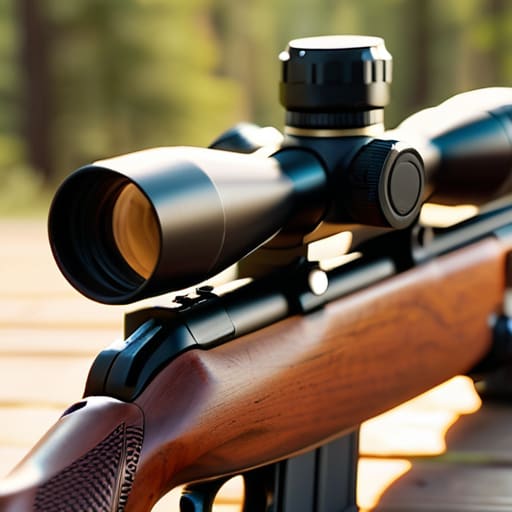
When the joints in your wrists or elbows start acting up, you can’t just muscle through a heavy recoil impulse like you did in your twenties. I’ve seen plenty of guys try to “tough it out” with a heavy-caliber service rifle, only to end up sidelined by inflammation for a month. If you’re managing firearm recoil with arthritis, the smartest move isn’t to quit; it’s to change your setup. I always tell my students to look into ergonomic shooting accessories—things like adjustable cheek risers or padded recoil pads—that do the heavy lifting for you.
It’s also about being smart with your choice of platform. There’s no shame in moving to a lighter frame or a caliber that doesn’t feel like a hammer to the joints. You can use weight to your advantage, too; adding a little mass to a handgun can smooth out that snap without requiring more grip strength. It’s all part of using adaptive shooting techniques to stay in the game. You aren’t cheating the sport; you’re just adjusting the mechanics so the habit stays consistent.
Adaptive Shooting Techniques for the Long Haul
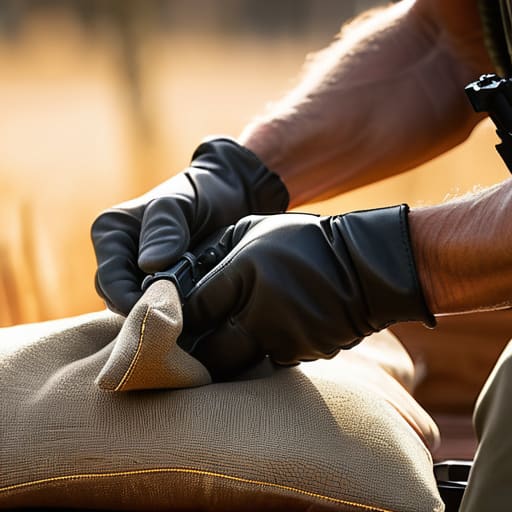
When the joints start getting stiff, you can’t just muscle through a session like you did in your twenties. I’ve seen plenty of good shooters walk away from the sport because they tried to fight their own bodies instead of working with them. One of the most effective adaptive shooting techniques I recommend is adjusting your stance to create a more stable, tripod-like base. If your wrists or elbows aren’t cooperating, don’t be afraid to lean into the bench or use a sandbag rest. It isn’t “cheating”; it’s just being smart about your resources.
You also have to look at how you’re interacting with the hardware. If your grip strength is flagging, look into ergonomic shooting accessories like oversized grips or specialized sleeve wraps that help you maintain control without needing a crushing squeeze. It’s about finding ways to minimize the physical strain so you can focus on the fundamentals. When you stop fighting the discomfort, you can actually get back to the part we all came here for: the steady, disciplined execution of the shot.
The Small Habits That Keep the Big Problems Away
- Stop trying to muscle the gun. When I was younger, I thought a heavy recoil spring or a stiff trigger was a badge of honor, but as the joints get stiff, that’s just a recipe for a bad day. Switch to lighter trigger pulls and gear that works with your hands, not against them.
- Build a dedicated cleaning station that doesn’t require you to hunch over a workbench for an hour. I’ve seen too many guys skip maintenance because their back won’t let them sit in that position. Get a good light, a comfortable stool, and keep your tools organized so you aren’t hunting for a bore brush when you’re already tired.
- Master the “pre-flight” check. Most accidents I see on the Saturday line don’t happen because someone is reckless; they happen because someone is tired or distracted. Develop a ritual—check the chamber, check the safety, check the surroundings—and do it every single time, even if you’ve done it a thousand times before.
- Listen to your body’s warning signs before they become injuries. If your grip is starting to cramp or your vision is blurring, that is your cue to pack it in for the day. Pushing through a physical limit isn’t “toughness” in this sport; it’s how you end up sidelined for six months.
- Invest in better eyes and ears, not just better brass. You can have the most expensive rifle in the world, but if you’re squinting at the target or your ears are ringing, you’re losing the mental edge. High-quality electronic muffs and prescription shooting glasses aren’t luxuries; they are the tools that keep you in the game.
The Fundamentals of Longevity
Don’t let gear fatigue become a safety risk; as your grip or dexterity changes, your equipment needs to change with you to ensure you’re still in control of every movement.
Focus on the mechanics you can control, like your breathing and your trigger press, rather than getting frustrated by the physical things you can’t.
Keep your maintenance routine as disciplined as your range procedure; if you can’t handle the small, repetitive tasks of cleaning and checking, you shouldn’t be handling the heavy lifting on the line.
The Long Game
At the end of the day, staying on the line as the years stack up isn’t about fighting your body; it’s about working with it. We’ve talked about swapping out heavy rifles for something with a more manageable recoil, adjusting your stance to take the pressure off those stiff joints, and being willing to try new gear that makes the job easier. It’s not about being “soft” or losing your edge. It’s about recognizing that the mechanics of the sport change even when your passion for it doesn’t. If you manage your gear, respect your physical limits, and keep your habits tight, you aren’t just surviving the hobby—you’re mastering it.
I’ve spent twenty years watching people walk onto a range with plenty of talent but zero discipline, and I’ve seen them burn out or get sidelined by avoidable mistakes. The shooters who are still here, thirty years later, are the ones who realized that consistency beats intensity every single time. Don’t let your ego dictate how you shoot; let your experience guide you. Keep your eyes sharp, your equipment clean, and your movements deliberate. If you take care of the small, unglamorous details now, you’ll still be pulling the trigger long after the younger crowd has forgotten why they started in the first place.
Frequently Asked Questions
What kind of specific cleaning tools or setups should I use if my grip strength isn't what it used to be?
If your hands aren’t cooperating, stop fighting the small stuff. Ditch the tiny, fiddly cotton swabs and switch to a dedicated bore snake or a heavy-duty cleaning rod with a thick, ergonomic grip. I’ve seen guys struggle with those slim, metal rods for an hour; instead, wrap some grip tape around your tools or use a rubberized handle. It’s about leverage, not fine motor skills. If you can’t torque it, you can’t clean it.
How do I know when it’s time to stop trying to "tough out" a certain movement and actually change my gear or my stance?
You know it’s time when the “work” starts happening before you even pull the trigger. If you’re spending your energy fighting your own body—clenching a jaw to manage pain or bracing a wrist that’s already throbbing—you aren’t shooting anymore; you’re just managing discomfort. When the pain starts dictating your fundamentals instead of your training, stop. Don’t tough it out. That’s how a small ache becomes a permanent injury. Change the gear, change the stance, and keep shooting.
Are there certain types of firearm storage or case setups that make it easier to manage when mobility starts to slow you down?
I’ve seen too many folks struggle with heavy, awkward hard cases that end up being more of a hurdle than a help. If mobility is getting tight, stop fighting those heavy clamshells. Switch to high-quality, padded soft cases with reinforced handles—they’re lighter and easier to maneuver. At home, look into quick-access, wall-mounted safes rather than heavy floor models. If you can’t reach or lift it easily, you won’t use it properly. Keep it accessible, keep it light.




