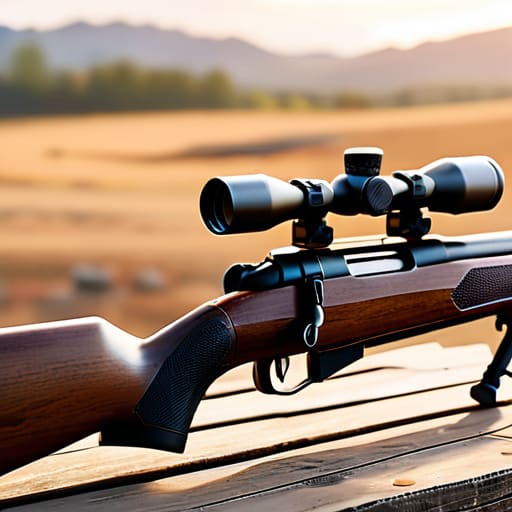
I’ve spent twenty years standing on the firing line, and if there is one thing I’ve learned, it’s that most people approach the sport all wrong. They see a video of a guy hitting a steel plate at a thousand yards and think they need to go out and drop five thousand dollars on a custom chassis and a high-end optic just to figure out how to get into precision rifle. It’s a lie. You don’t need a mountain of gear to start; you need a disciplined mind and a rifle you actually know how to maintain. I’ve watched plenty of guys with top-shelf setups shoot like they’ve got marbles in their heads because they skipped the fundamentals in favor of the shiny stuff.
I’m not here to sell you a dream or a shopping list of expensive toys. What I’m going to give you is the unglamorous truth about building a foundation that actually lasts. We’re going to talk about the boring, essential habits—the cleaning, the ballistics, and the mechanical checks—that separate the shooters from the hobbyists. If you want to learn how to build a capability rather than just a collection, you’re in the right place.
Mastering Precision Rifle Shooting Basics Through Discipline
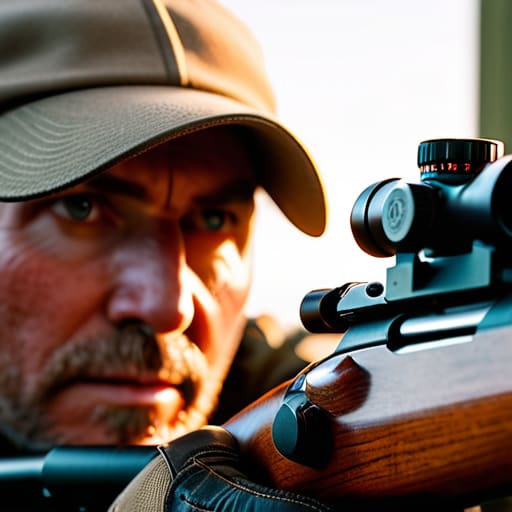
Most folks come to the range thinking precision is all about the glass or the caliber. They spend a fortune on a high-end optic and then wonder why they can’t keep their groups tight. But if you want to actually master precision rifle shooting basics, you have to start with the stuff that doesn’t make for a good Instagram photo. I’m talking about your fundamentals—your breathing, your trigger press, and your ability to stay still when your heart rate starts climbing. You don’t build a long-range shooter by chasing the newest gear; you build them through repetition and consistency.
If you’re looking for some effective precision rifle training drills, don’t start by trying to hit steel at 600 yards. Start at twenty. If you can’t build a perfect, repeatable shot at a distance where the target is practically staring you in the face, you’ve got no business trying to dial in elevation for a long shot. It’s about developing the muscle memory so that the mechanics become automatic. Once the discipline of the shot is locked in, then—and only then—can you start worrying about the fancy setups.
Selecting Essential Long Range Shooting Gear That Lasts
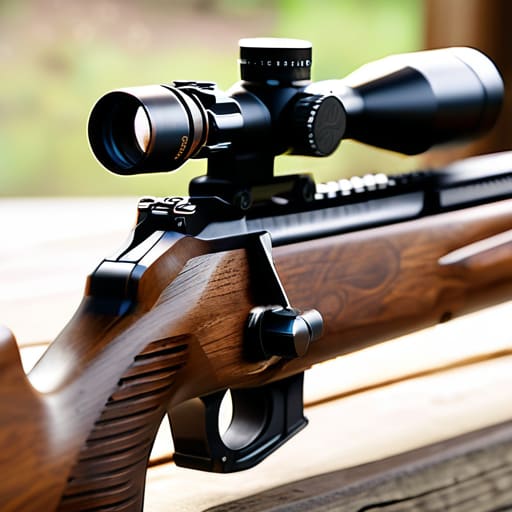
Now, I know the temptation when you start looking at catalogs. You see a rifle with a scope that costs more than my first truck, and you think that’s the magic ingredient. It isn’t. When you’re putting together your long range rifle setup, I want you to think like a machinist: focus on the tolerances and the durability, not the finish. You don’t need a custom-built chassis on day one, but you do need a trigger that breaks clean and a bipod that won’t wobble when the wind picks up. If the foundation is shaky, all the high-end glass in the world won’t save your grouping.
Don’t get caught in the trap of buying “disposable” gear just because it’s cheap. I’ve spent half my life restoring old bolt actions, and I can tell you that investing in quality over quantity is the only way to actually learn. If you’re looking for essential long range shooting gear, start with a solid optic and a reliable cleaning kit. You can always upgrade your bags or your reloading press later, but a cheap scope that loses its zero after a month of training will only teach you bad habits. Get the right tools once, and they’ll stay with you for the long haul.
The Unseen Work: Five Habits to Build Before You Ever Pull the Trigger
- Stop chasing the “perfect” rifle and start building your fundamentals. I’ve seen guys with twenty-thousand-dollar setups shoot worse than a kid with a surplus hunting rifle because they never learned how to breathe or hold a steady trigger squeeze. The gear doesn’t fix a bad habit; it just makes the mistake more expensive.
- Respect the maintenance cycle. If you’re treating your rifle like a piece of hardware rather than a precision instrument, you’re going to have a bad time at the long end of the range. Learn to strip your bolt, clean your action, and check your optics for torque every single time you pack up. A loose screw is just an accident waiting for an excuse.
- Master the dry fire routine in your own living room. You don’t need a hundred-yard range to practice your trigger control or your cheek weld. In fact, most of the real progress happens when you aren’t even making noise. If you can’t execute a perfect, clean break on a dry trigger at home, you have no business trying it under the pressure of a timer.
- Get comfortable with the data, not just the shot. Precision shooting isn’t just about seeing a splash on a steel target; it’s about understanding why that splash happened. Start a logbook—a real one, on paper if you have to—and track your wind calls, your elevations, and your mistakes. If you aren’t measuring, you’re just guessing.
- Learn your ballistic math before you buy a fancy computer. You don’t need a ballistic calculator app to tell you what gravity is doing to a bullet, but you do need to understand the concept. If you don’t understand how density altitude or wind drift works in principle, you’re just a passenger in your own shooting process.
The Fundamentals That Actually Matter
Precision isn’t bought at the gun store; it’s built through the boring, repetitive habits of cleaning your kit and verifying your chamber every single time you pick up a rifle.
Don’t get distracted by high-end optics before you’ve mastered the fundamentals of a stable position and a consistent trigger press.
Invest in gear that survives the field, because a piece of equipment that fails halfway through a match is just an expensive paperweight.
The Long Game
At the end of the day, getting into precision rifle shooting isn’t about walking into a shop and buying the most expensive glass or a chassis system that looks like it belongs on a spacecraft. It’s about the groundwork we’ve discussed: building a foundation of disciplined habits, selecting gear that actually holds up to real-world use, and understanding that your rifle is only as good as the maintenance you perform when no one is watching. If you skip the cleaning, ignore the fundamentals, or try to shortcut the learning process, the rifle will eventually tell you about it—usually through a missed shot or a mechanical failure. Focus on the boring stuff first, and the rest of the sport will follow.
I’ve spent twenty years watching people stand on the firing line, and the ones who truly find satisfaction in this sport aren’t the ones chasing the biggest trophies. They are the ones who take pride in the process. There is a quiet, steady kind of confidence that comes from knowing your equipment is ready, your headspace is clear, and your safety habits are second nature. Precision shooting is a marathon, not a sprint. Don’t rush to be an expert; just focus on being better than you were yesterday. If you respect the rifle and the discipline required to master it, the sport will give you everything you’re looking for.
Frequently Asked Questions
Do I really need a high-end optic right away, or can I start training with a basic setup?
Look, I’ve seen guys drop five grand on a glass setup only to shoot like they’re throwing rocks because their fundamentals are non-existent. You don’t need a top-shelf optic to learn how to breathe, hold, and squeeze. A decent, mid-range scope will do just fine for building the foundation. Focus on your trigger control and your position first. Once you actually have something worth aiming at, then you can worry about the high-end glass.
How much time should I actually be spending on cleaning and maintenance versus time behind the trigger?
Look, if you’re spending all your time pulling triggers and zero time with a bore brush, you’re just practicing how to fail. I like to say for every hour on the range, you owe the rifle thirty minutes of honest maintenance. It isn’t about being a perfectionist; it’s about knowing exactly how your tool behaves. If you don’t respect the cleaning, you’ll never truly trust the shot.
What are the specific habits I should be building now to avoid the common mistakes that lead to bad form later?
Start with your eyes and your hands. Most folks rush to the trigger, but you need to obsess over your fundamentals first. Get into the habit of a deliberate, physical chamber check every single time you handle that rifle—don’t just trust your memory. Then, focus on your breathing and your trigger press. If you can’t execute a clean, rhythmic shot in a controlled environment, all the high-end glass in the world won’t save your groups.




