
I’ve spent twenty years watching guys spend three thousand dollars on sandbags, heavy-duty bipods, and custom-milled weights, only to wonder why they’re still shooting five-inch groups. They think the gear is the solution, but they’re just masking a fundamental lack of discipline. Most people don’t actually want to learn the mechanics; they want to buy a shortcut. If you’re looking for a magic piece of equipment to fix a sloppy stance, you’re in the wrong place. Real precision isn’t about what you buy; it’s about learning how to shoot from a bench without lying to yourself about where the error is actually coming from.
I’m not here to sell you a new accessory or a high-tech stabilizer. I’m going to talk about the uncomfortable truths of stability—the stuff like your breathing rhythm, your eye relief, and the way you’re actually applying pressure to that trigger. We’re going to strip away the excuses and focus on the repetitive, boring habits that actually tighten a group. If you want the truth about your fundamentals, stick with me. We’re going to do this the right way.
Mastering Benchrest Shooting Fundamentals Beyond the Ego
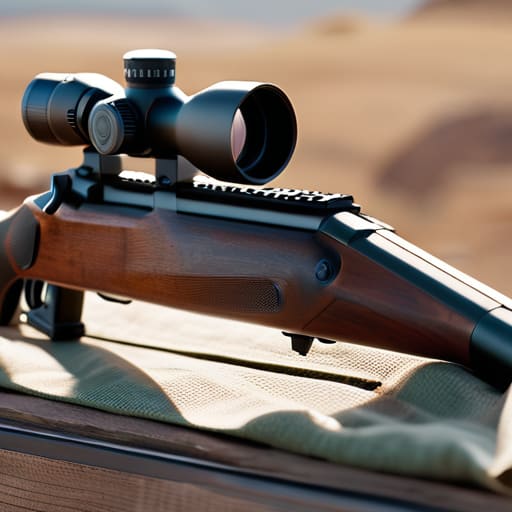
Most folks come to the bench thinking the rifle is the problem. They’ll spend six months and three grand chasing a lighter trigger or a more expensive barrel, all while ignoring the fact that they’re leaning on the rest like it’s a recliner. If you want to start improving marksmanship accuracy, you have to stop looking at the gear and start looking at your own posture. I’ve seen plenty of shooters try to “muscle” a shot into place because they don’t trust their setup. That’s ego talking. When you’re fighting the rifle, you aren’t shooting; you’re just wrestling.
The real work lies in identifying shooting errors before the primer even strikes. It’s about the small, boring things: the way your elbow is braced, the tension in your shoulder, and whether you’re actually breathing through the trigger press or just holding your breath until your face turns red. You can run all the precision rifle training drills you want, but if your foundation is shaky, you’re just practicing how to be inconsistent. Slow down. Treat the setup like a machining process—if the tolerances are off at the start, the finished product is going to be junk.
Identifying Shooting Errors Before They Ruin Your Day
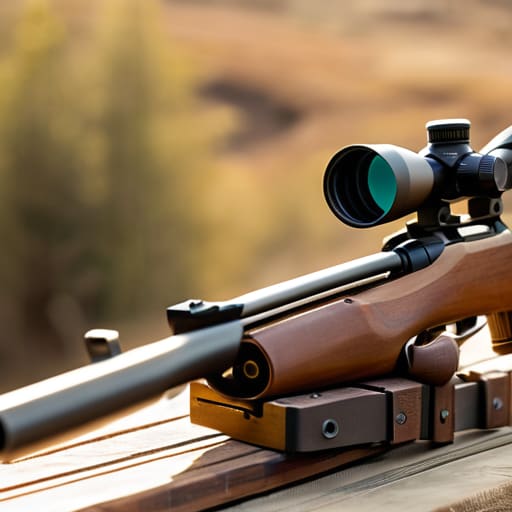
Most folks walk up to the bench, pull the trigger, and if the group looks like a shotgun pattern, they blame the wind, the ammo, or the barrel. They do everything except look in the mirror. If you want to start improving marksmanship accuracy, you have to stop treating your rifle like a magic wand and start treating it like a machine. A machine only performs as well as the person operating it. If you aren’t watching your own body language—the way your shoulder settles or how you’re bracing your elbows—you aren’t shooting; you’re just hoping for the best.
I’ve spent twenty years watching people chase ghosts. They’ll spend hundreds on match-grade brass while their setup is wobbling like a jelly mold. Identifying shooting errors usually starts with the realization that your “bad” shots aren’t random. They follow a pattern. If your holes are consistently low and to the left, you aren’t having a “bad day”; you’ve developed a mechanical flaw in your trigger press or your cheek weld. Stop looking at the target for a second and start evaluating your own stability before you even think about adjusting your scope.
Five Ways to Stop Cheating Your Own Progress
- Stop blaming the ammunition for every flyer. I’ve seen plenty of shooters swear up and down that their handloads are inconsistent, only to realize they haven’t cleaned the carbon out of their throat or checked their bipod stability in six months. If you haven’t ruled out your gear, you aren’t allowed to blame the brass.
- Respect the tripod and the rest, even when they feel “good enough.” A common mistake is settling for a setup that feels comfortable but lacks true mechanical rigidity. If you can move your support with a light touch of your finger, it isn’t a rest; it’s just a pillow, and you’re lying to yourself about why your groups are opening up.
- Watch your breathing, but don’t turn it into a circus act. Some folks think they need to hold their breath until they turn purple to get a clean shot. That’s not discipline; that’s panic. You want to find that natural respiratory pause, not fight your own lungs to the point of a tremor.
- Learn to distinguish between a trigger pull and a flinch. If you find yourself “anticipating” the recoil, stop. Don’t just keep squeezing and hope for the best. If you can’t take the shot without your body reacting to the noise, you need to step back, reset, and address the mental loop before you waste a box of expensive rounds.
- Keep your eyes on the target, not the movement. I see it all the time: a shooter gets so focused on watching the impact or the bolt cycling that they lose their sight picture right at the moment of ignition. Your job is to maintain that sight picture through the shot, not watch the results like a spectator.
The Three Rules for a Clean Session
Stop blaming the wind or your optics for a bad group when the real culprit is a shaky, uncorrected bench setup.
If you aren’t checking your stability every single time you settle into the rifle, you aren’t shooting benchrest; you’re just guessing.
Discipline the small things—like how you seat the recoil pad and how you breathe—because the big errors are just a collection of small, ignored habits.
The Truth in the Target
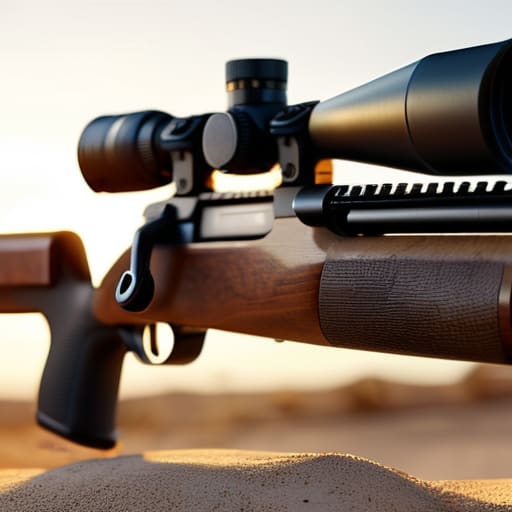
At the end of the day, benchrest shooting isn’t about how much you can spend on a custom trigger or a high-end optic; it’s about the discipline of the setup. If you’ve spent the morning fighting your rest, ignoring your breathing, or trying to muscle a rifle that isn’t settled, you aren’t actually practicing shooting—you’re just practicing making mistakes. You have to be willing to look at a ragged group and admit that the fault lies in your stability or your consistency, not the wind or a bad batch of brass. Stop looking for excuses and start mastering the mechanics of your position.
I’ve seen plenty of shooters walk away from the line frustrated because they couldn’t find that “magic” feeling, but the truth is, that feeling is just the result of a thousand tiny, correct decisions made before the first shot ever breaks. It’s unglamorous, and it’s often boring, but that’s where the real progress lives. If you can learn to honestly evaluate your process instead of your results, the groups will eventually take care of themselves. Now, go back to the bench, check your stability one more time, and do it right.
Frequently Asked Questions
How do I know if my grouping is actually a mechanical issue with the rifle or just me being sloppy with my stability?
The easiest way to tell is to stop being a variable. If you think it’s the rifle, pull a few shots with a sandbag or a heavy rest instead of your own hands. If the groups tighten up, you were the problem. If they’re still wandering, then we can talk about your barrel or your load. Don’t go blaming the machine for a lack of discipline in your setup.
When should I stop tweaking my scope adjustments and realize the problem is actually my bench setup?
If you’ve clicked your turrets three times and you’re still chasing the wind, stop. You aren’t fighting the optics; you’re fighting your own instability. If your sandbags are shifting, your rest is uneven, or your tripod legs aren’t seated, no amount of adjustment is going to fix a moving platform. Before you touch that dial again, check your stability. If the foundation is soft, your groupings will be too. Fix the setup first.
Is there a way to tell if I'm subconsciously fighting my own breathing pattern while I'm settled into the rest?
You’ll know you’re fighting yourself when you feel that subtle, rhythmic tension in your shoulders or your grip tightening every few seconds. It’s like trying to hold a note in a song that’s moving too fast. If you find yourself holding your breath until your vision starts to swim or your heart begins to thud in your ears, you’ve stopped breathing and started bracing. You aren’t shooting anymore; you’re just wrestling with your own lungs.




