
I’ve spent twenty years standing on the edge of the firing line, and if there’s one thing I’ve learned, it’s that most of the “expert” advice you find online is just expensive noise. People will try to sell you high-tech ballistic calculators and wind meters that cost more than my first truck, acting like a piece of silicon is going to solve your problems. But let me tell you, if you don’t understand the fundamentals of how to shoot in the wind, no amount of gadgetry is going to save your grouping. I’ve watched shooters with top-shelf gear chase mirage like it’s a magic trick, only to realize they forgot to account for their own body acting like a sail.
I’m not here to give you a lecture on complex fluid dynamics or sell you a subscription to a weather app. I want to talk about the stuff that actually matters when the gusts start kicking up dust across the berm. We’re going to focus on the practical, unglamorous habits—reading the vegetation, managing your breathing, and adjusting your stance—that actually keep your rounds on target. I’m going to show you how to master the variables through experience, not just equations.
Reading Wind Direction for Marksmen Who Refuse to Guess

Most folks stand behind the bench, squinting at the horizon, and just hope they’ve got a feel for it. That’s a gamble I don’t take, and I don’t recommend you do either. Reading wind direction for marksmen isn’t about a vague sense of movement; it’s about finding your indicators. I always tell my students to stop looking at the flags and start looking at the grass, the mirage, or even the way a bit of dust kicks up off a dry patch of dirt. If you aren’t looking at something physical that reacts to the air, you’re just guessing.
Once you find a reliable indicator, you have to look for the consistency of that movement. A gust that hits every five seconds is a different beast than a steady, lazy breeze. You need to watch how the mirage dances over your target area—not just where you’re standing. If the heat shimmer is jumping left to right at the target, that’s your cue. Don’t try to overcomplicate it with a math degree on your first pass; just learn to see the pattern. If you can’t see the pattern, you shouldn’t be pulling the trigger.
Ballistic Wind Drift Calculation Doing the Math Before the Shot
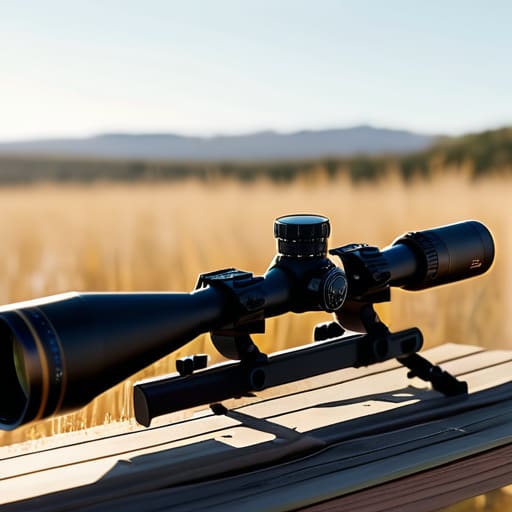
Now, I’m not saying you need to be a mathematician to enjoy a day at the range, but if you’re trying to hit anything past a hundred yards, you can’t just “feel” the drift and hope for the best. You need a repeatable process for your ballistic wind drift calculation. I’ve seen too many folks staring through a high-magnification optic, waiting for some divine inspiration to tell them where the bullet is going to land. It doesn’t work that way. You have to account for the velocity of the projectile and the speed of that gust you just saw ripple through the grass.
If you aren’t using a ballistic calculator or a well-worn DOPE card, you’re just guessing, and guessing is how you end up frustrated and tired. Once you have your numbers, you need to commit to your windage adjustment techniques before you even settle into your position. Don’t wait until you see the impact to start clicking your turrets. Decide on your hold or your dial, make the adjustment, and then focus entirely on your breathing and your trigger press. If the math is solid, the rest of the shot should follow suit.
Five Ways the Wind Breaks Your Shot (And How to Fix It)
- Stop trusting your eyes alone. A mirage might tell you one thing, but the grass tells you another, and the flags might be lying. I’ve seen plenty of guys stare at a heat shimmer until their eyes crossed, only to realize the wind was actually gusting from the opposite direction. Look at the vegetation, look at the dust, and look at the way your brass behaves when it hits the ground. If they aren’t all telling the same story, don’t pull the trigger.
- Learn to time the lull. Shooting in a steady breeze is one thing, but shooting in gusts is a different animal entirely. You don’t just fire when you feel like it; you wait for that momentary breath of stillness. It’s a bit like waiting for a wave to pass before you jump into the surf. If you’re constantly fighting the gust, you’re just practicing how to miss.
- Watch your windage, but don’t forget your elevation. Most folks focus entirely on the horizontal drift, but a strong headwind or tailwind is going to change your vertical impact too. A heavy headwind is going to push that bullet up and slow it down, while a tailwind might make it drop shorter than you expect. If you aren’t accounting for the vertical component, your math is only half-finished.
- Hold your position like you mean it. When the wind picks up, your first instinct is probably to tense up and fight the rifle. That’s a mistake. Tensing up just introduces more movement. You need to settle into your position and let the rifle find its natural point of aim. If your support hand is shaky because you’re bracing against a gust, you’ve already lost the shot.
- Don’t chase the wind. I’ve watched shooters see a gust, panic, and start cranking their turrets mid-shot. That’s how you end up with a group that looks like a shotgun pattern. Pick your hold, commit to your correction, and stay steady. If the wind is too erratic to call, the correct move isn’t to keep adjusting—it’s to wait for a better window.
The Bottom Line on Staying on Target
Stop trying to outsmart the wind with a single shot; if you haven’t observed the mirage or the grass movement for a few minutes, you’re just guessing, and guessing is how you miss.
Math is a tool, not a cure-all—calculate your drift, but never forget that a gust can change your reality in a fraction of a second.
Discipline means being willing to walk off the line and wait for a lull rather than forcing a shot through a crosswind that you haven’t properly accounted for.
Respect the Air
At the end of the day, shooting in the wind isn’t about having a fancy ballistic computer or a degree in meteorology. It’s about the discipline to stop and look at the grass, the flags, and the mirage before you ever squeeze that trigger. You have to read the direction, do the math on your drift, and most importantly, have the patience to wait for a lull if the gusts are too erratic. If you try to outrun the wind by firing rapid, uncalculated shots, you aren’t practicing marksmanship; you’re just practicing how to miss. Consistency comes from the preparation you do before the rifle even reaches your shoulder.
I’ve seen plenty of shooters get frustrated when a gust knocks their group wide, but that’s just the sport telling you that you weren’t paying attention. Don’t let a bit of moving air shake your confidence or ruin your temperament. Treat the wind like any other variable in your kit—something to be measured, respected, and accounted for. Once you stop fighting the elements and start incorporating them into your process, the game changes. Get your fundamentals right, keep your eyes on the environment, and the wind will stop being an enemy and start being just another part of the range.
Frequently Asked Questions
How do I tell the difference between a steady breeze and those unpredictable gusts that mess up my hold?
Watch the mirage, not just the grass. A steady breeze moves the heat waves in a consistent, rhythmic direction—it’s a flow you can time. Gusts are different; they’re chaotic. You’ll see the mirage jump or swirl, and the grass will dance rather than lean. If you can’t find a pattern in how the environment is moving, don’t pull the trigger. Wait for the rhythm to settle. Patience beats a guess every time.
Is it better to aim off and let the wind carry the bullet, or should I be clicking my turrets every time the wind shifts?
It depends on how much time you have and how much you value your consistency. If you’re shooting a long string of fire, aiming off—holding over—is usually the smarter play. It keeps you from chasing the wind with your turrets and losing your rhythm. But if the wind is shifting every five seconds, clicking is better. Don’t get caught in the middle, guessing your hold and wondering why your group is opening up.
What’s the best way to stay steady on the trigger when a crosswind is trying to push my whole body off balance?
You can’t fight the wind with muscle; you’ll just end up twitching. When a crosswind hits, stop trying to lean into it to compensate. Instead, adjust your stance. I tell my students to treat the wind like a physical weight. Lean slightly into the breeze to find your new center of gravity, then let your bones take the load, not your grip. If you’re squeezing hard to stay steady, you’ve already lost the shot.




