I’ve watched guys spend three thousand dollars on a high-end ballistic computer just to figure out how to hold for wind, only to miss the target because they forgot to look at the grass. It’s a ridiculous way to shoot. You can have all the fancy glass and digital math in the world, but if you aren’t reading the environment right in front of your face, you’re just calculating your way to a miss. I’ve seen plenty of shooters get paralyzed by spreadsheets when they should have just been watching the mirage or the way the brush was leaning.
I’m not here to sell you a new piece of gear or a complicated mathematical formula. What I want to do is show you the tedious, unglamorous habits that actually bridge the gap between a guess and a hit. We’re going to talk about reading the signs, trusting your hold, and the mental discipline required to stay steady when the air starts moving. If you can master these few basic checks, the math becomes a lot less intimidating and your groups will start taking care of themselves.
Aiming Off for Wind the Subtle Art of Correction
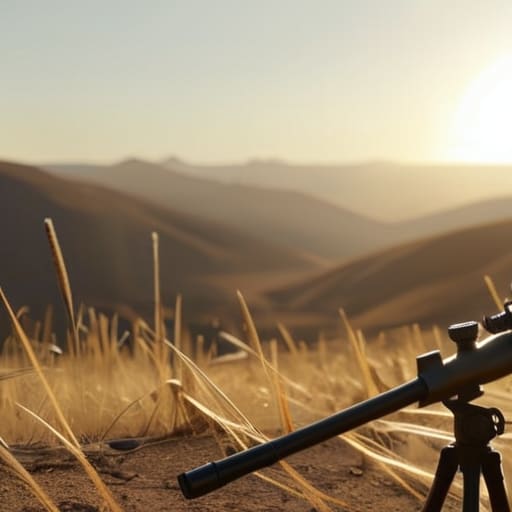
When the wind starts pushing your projectile off course, you have two choices: you can fiddle with your turrets until you lose your rhythm, or you can learn the discipline of aiming off for wind. I’ve seen plenty of shooters get frustrated, clicking their dials up and down while the mirage is still dancing across the valley. That’s a mistake. Most of the time, you aren’t going to get a perfect wind speed measurement for shooters like we see in a lab; you’re going to get a gust that feels more like a shove. Instead of chasing the adjustment, I prefer to treat the wind as a fixed part of the landscape.
Think of it as a mental offset. If you know a steady crosswind is going to shave three inches off your grouping, you don’t panic; you simply visualize your point of impact a few inches into the wind. It’s about developing a sense for how the air moves through the specific terrain you’re standing in. You aren’t trying to outsmart the atmosphere; you’re just learning to account for it before you ever break your shot.
Calculating Wind Drift Before the Shot Breaks
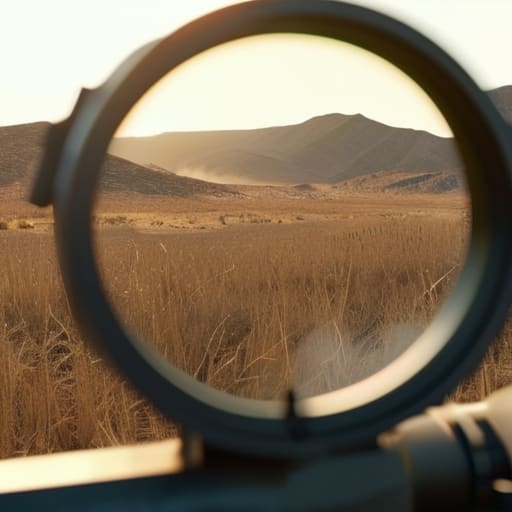
Now, you can’t just look at a flag and hope for the best. If you’re serious about calculating wind drift, you have to stop treating the air like a static thing. I’ve seen plenty of guys stare at a gust, pull the trigger, and act surprised when the round lands three feet wide. The trick isn’t guessing; it’s observing how the environment moves in layers. Look at the grass at your feet, then the brush fifty yards out, and finally the mirage dancing over the target. Wind speed measurement for shooters isn’t about a digital readout; it’s about seeing how those environmental factors interact across the entire flight path.
Once you’ve got a sense of the movement, you have to do the mental math before you settle into your glass. You aren’t just looking for a single number; you’re looking for a pattern. Is it a steady push, or is it a series of erratic gusts? If you don’t account for the varying intensity of the breeze between you and the target, your adjustments will always be a step behind. Take your time. The wind isn’t going anywhere, and rushing the math is how you end up chasing your shots all afternoon.
The Small Things That Keep Your Rounds on Target
- Watch the mirage, not just the grass. Grass tells you which way the wind is blowing, but the heat shimmer in your scope tells you how much energy that wind actually has. If the mirage is dancing, the wind is working.
- Stop trying to outguess the gust. Wind isn’t a constant stream; it’s a series of pulses. I’ve seen too many shooters pull the trigger during a lull only to have a gust hit the bullet halfway to the target. Wait for the rhythm.
- Learn the difference between a headwind and a crosswind’s temperament. A headwind is honest—it just pushes your round down. A crosswind is a liar; it’ll look calm right until it catches the side of your projectile and sends it wide.
- Use your environment as a gauge. If you’re shooting near a treeline or a ridge, the wind is going to behave differently than it does in an open field. Don’t assume the wind at your muzzle is the same wind hitting the target.
- Master the habit of checking your windage hold before you even settle into your cheek weld. If you wait until you’re focused on the front sight or the reticle to think about the wind, you’ve already lost the battle. Make the correction part of the setup.
The Three Habits of a Disciplined Shooter
Stop trying to outthink the wind and start reading the environment; if you aren’t watching the mirage or the movement in the grass, you’re just guessing.
Mastery comes from the micro-adjustments, not the big movements, so learn to trust your hold when the wind is pushing your point of impact.
Treat windage as a constant calculation rather than a surprise, making it a procedural part of your shot process before you ever touch the trigger.
The Wind Always Wins the Argument

At the end of the day, mastering wind isn’t about finding a magic formula that works every single time. It’s about the discipline of the process—the way you read the mirage, the patience to calculate your drift, and the willingness to aim off when the conditions demand it. You can have the most expensive glass on the market, but if you aren’t respecting the invisible push of the air, you’re just guessing. Remember, whether you are dialing in your turrets or holding over a few inches, the goal is the same: consistency through observation. You don’t fight the wind; you simply account for its presence before you ever let that hammer fall.
I’ve spent twenty years standing on the line watching folks get frustrated when a gust catches a bullet mid-flight. Most of that frustration comes from trying to rush the shot instead of respecting the environment. Shooting is a slow game, and wind is its most honest teacher. If you take the time to develop these habits—the tedious, unglamorous checks that most people skip—you’ll find that the target stops moving away from you. Focus on the mechanics of the environment, and the accuracy will eventually follow. Get the fundamentals right, and the wind becomes just another part of the math, rather than an enemy you’re trying to outrun.
Frequently Asked Questions
When the wind is gusting inconsistently, should I aim for the average push or try to time my shot between the lulls?
If the wind is gusting like a broken bellows, don’t try to time the lulls. You’ll end up chasing the wind, getting frustrated, and pulling the trigger on a bad breath. Instead, learn to aim for the average push. It’s a tedious habit, but you want to find that consistent middle ground. If you can’t find a rhythm in the gusts, step back, watch the mirage, and wait for a steady breeze.
How much of my correction should come from adjusting the turret versus just holding the reticle off-center?
Look, there isn’t a single rulebook answer, but I’ve seen enough groups drift to know this: use your turrets for the big, predictable stuff. If you’re dialed in for a hundred yards and the wind kicks up, click it. But if you’re chasing micro-adjustments or the wind is gusting like a damn pendulum, stop cranking those dials. Use your hold. It keeps your data clean and prevents you from chasing your own tail.
At what distance does wind stop being a minor nuisance and start becoming the primary factor in whether I actually hit the target?
It’s not a specific yardage, but a threshold of physics. For most, once you cross that 300-yard mark, the wind stops being a nuisance and starts being the boss. At close range, you can muscle through a gust. But once the flight time stretches out, that air becomes a physical force acting on the bullet for longer. If you aren’t accounting for it by 300, you aren’t really shooting; you’re just hoping.




