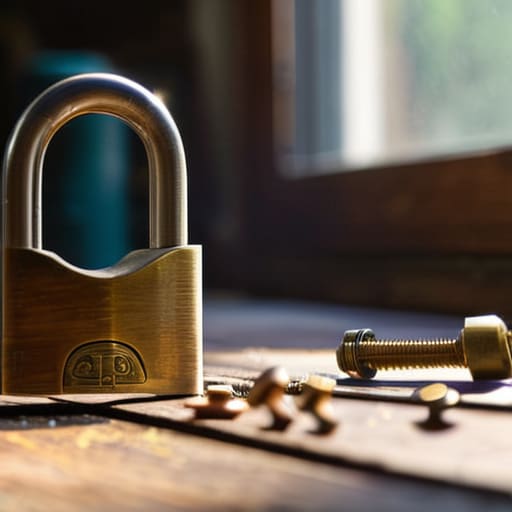
I watched a guy last Saturday spend forty minutes cleaning his optics with a specialized kit that cost more than my first truck, but when it came time to secure his gear, he just tossed a cheap, rusted padlock on the case and called it a day. People get so caught up in the high-priced gadgets and the shiny new gear that they completely forget the basics of how to maintain a safe lock. You can have the most expensive setup in the world, but if your security mechanism is seized up or the tumblers are gummed with old grit, you aren’t actually protected; you’re just carrying around a heavy paperweight.
I’m not here to sell you a subscription service or a fancy new brand of hardware. I want to talk about the unglamorous, repetitive work that actually keeps your gear secure. I’m going to walk you through the specific, manual checks that I’ve learned over twenty years of watching people make mistakes. We’re going to focus on the mechanical reality of your equipment—cleaning out the debris, lubricating the right parts, and testing the tension—so that when you need that lock to work, it does exactly what it’s supposed to do.
Mastering Safe Dial Cleaning and Care

Most people treat their safe like a piece of furniture—they set it in a corner and forget it exists until they need something out of it. But if you want to avoid being locked out of your own gear, you need to treat safe dial cleaning and care like you treat your rifle. I’ve seen too many folks try to force a dial that’s feeling sluggish, thinking they can just muscle through it. That’s how you bend a spindle or strip a gear. Instead, take a soft, dry cloth and wipe away the dust and grit that settles in the crevices of the dial. If you’ve got a mechanical lock, grit is the enemy; it acts like sandpaper on the internal components every time you turn that wheel.
When it comes to preventing safe lock malfunctions, less is almost always more. I’ve seen guys go overboard with sprays, thinking they’re helping, but they end up creating a gummy mess that attracts more dirt. If you’re looking at lubrication, stick to the specific manufacturer’s recommendations—never just grab a can of WD-40 from the workbench. You want a dry, clean movement, not a sticky one. Keep it simple, keep it clean, and never force a mechanism that isn’t responding the way it should.
Preventing Safe Lock Malfunctions Before They Start
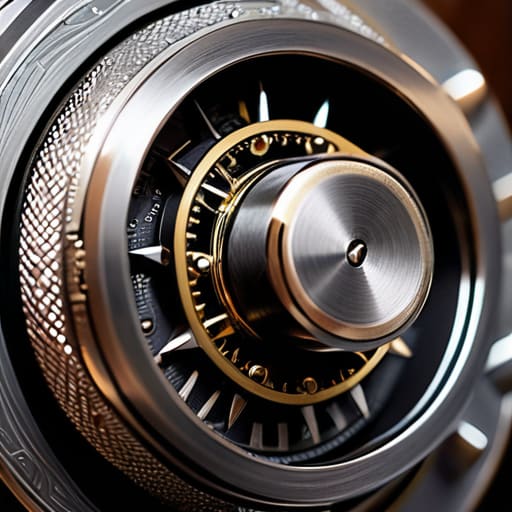
I’ve seen too many folks treat their safe like a piece of furniture—something that just sits there and works until the day it doesn’t. Most people only think about their lock when they’re standing in front of it, frustrated, because they can’t get it to open. But if you’re waiting for that moment, you’ve already missed the point. Preventing safe lock malfunctions isn’t about a massive overhaul once a year; it’s about catching the small things before they turn into a locksmith’s bill.
One of the easiest ways to stay ahead is to keep a simple safe security maintenance checklist taped to the inside of the door or tucked in a drawer nearby. For those with electronic units, don’t wait for the low-battery chirp to become a constant scream. Make electronic safe battery replacement a scheduled task, like changing the oil in your truck, every twelve months regardless of how it feels. For the mechanical guys, listen to the sound of the dial. If it starts feeling gritty or sounds like there’s sand in the gears, that’s your cue to stop and look closer. Don’t just force it.
The Small Checks That Keep the Big Doors Open
- Listen to the mechanism. When you’re dialing that combination, don’t just look at the numbers; listen for the drop of the wheels. If it starts sounding mushy or loses that distinct mechanical click, you’ve got a problem brewing. It’s better to call a locksmith now than to be standing there staring at a locked door when you actually need to get inside.
- Keep the grit out. I spent years in machine shops, and I know how much damage a little bit of fine dust can do to a precision part. Don’t be using a rag soaked in heavy grease on your dial. Use a clean, dry microfiber. You want to remove the oils from your skin without inviting a layer of grime into the housing.
- Watch your hand pressure. I see people manhandle the dial like they’re trying to win a wrestling match. You don’t need to force it. A safe lock is a piece of precision engineering, not a rusted bolt on a tractor. Turn it with steady, even pressure. If you find yourself having to muscle the dial to get it to move, something is out of alignment.
- The “One-Week” Rule. Every time you open the safe to grab something, do a quick visual check of the dial face and the area around the handle. Look for any tiny flakes of metal or signs of uneven wear. Catching a tiny scratch today prevents a total seizure next month.
- Avoid the “Cleaning Product” trap. I’ve seen folks try to get fancy with WD-40 or heavy-duty household sprays to “fix” a sticky dial. Stop right there. Those sprays are magnets for dust and they can actually gum up the internal gates. If it’s sticking, it needs a professional touch, not a can of aerosol.
The Bottom Line
Stop treating your lock like a set of keys; it’s a mechanical system that needs the same attention you’d give a fine piece of machinery.
Cleanliness isn’t about aesthetics—it’s about preventing the grit and grime that turn a smooth dial into a jammed mechanism.
Don’t wait for the dial to stick or the bolt to fail before you act; by then, you aren’t maintaining a lock, you’re troubleshooting a crisis.
The Habit of Reliability
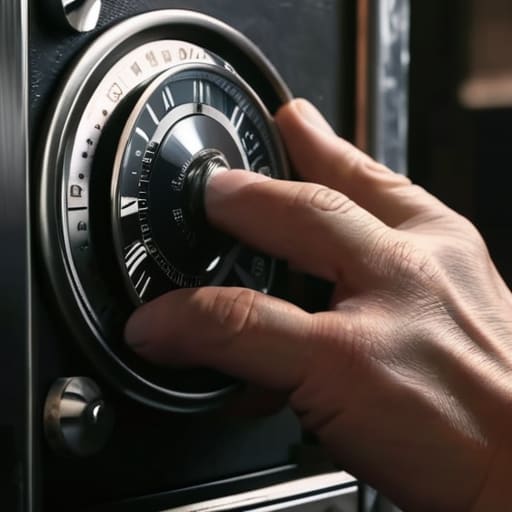
At the end of the day, keeping a safe lock functional isn’t about some high-tech overhaul; it’s about the small, boring things you do when nobody is watching. It’s the way you wipe the dust off the dial after a session, the way you listen for the mechanical click of the bolt, and the way you refuse to skip the routine inspection just because you’re in a hurry. We’ve talked about cleaning the dial and spotting the early signs of a malfunction, but the real work is in the consistency. If you treat your lock like a piece of precision machinery—the same way I’d treat a well-oiled bolt action—it’ll do exactly what it’s supposed to do when you need it most. Don’t let neglect become a habit.
I’ve spent twenty years on the range watching people overlook the small details, and I can tell you that the small details are usually what fail when the pressure is on. A safe lock is a silent partner in your security, and like any partner, it requires a bit of respect to keep the relationship working. You don’t maintain a lock because you expect it to break tomorrow; you maintain it so that tomorrow never comes for your security. Get the unglamorous stuff right, keep your rituals steady, and you can focus on the things that actually matter. Safety is a practice, not a destination.
Frequently Asked Questions
How often should I actually be lubricating the internal components versus just cleaning the dial face?
Look, cleaning the dial face is just housekeeping. It keeps the grit out, but it doesn’t keep the mechanism running. You shouldn’t be opening up the guts of a safe every weekend—that’s how you introduce more problems than you solve. I tell people to leave the internal lubrication alone unless you feel a hitch in the movement or hear a grind. If it’s running smooth, leave it. Don’t fix what isn’t broken.
Is there a specific sign that a sticking dial means the mechanism is failing, or is it just a matter of grit in the works?
It’s usually a bit of both, but you have to learn the difference. Grit is a nuisance; it feels like sand under your fingernails, making the dial feel “crunchy.” That’s a cleaning job. But if the dial feels heavy, or if it sticks in the same spot every single time you rotate it, that’s a mechanical symptom. That’s not dirt; that’s a component dragging. Don’t ignore the drag. Fix the grit, or fix the mechanism.
If I notice the dial feels "mushy" when I'm turning it, does that mean I've already waited too long to service it?
If it feels mushy, you’ve likely already passed the point of simple maintenance and moved into the territory of a real problem. That sensation usually means the internal lubrication has either gummed up or, more likely, the mechanical tolerances have shifted. Don’t try to force it or force more oil in there; you’ll just make a mess of the mechanism. At this stage, you aren’t just cleaning; you’re looking at a repair.




