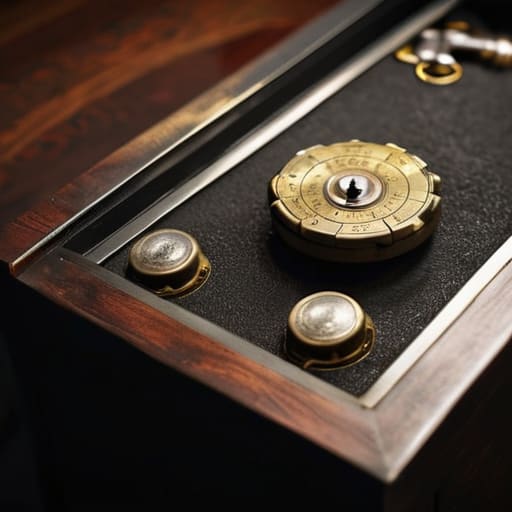
I was standing in my workshop last Tuesday, staring at a heavy steel door that refused to budge, listening to the hollow click-click-click of a dead keypad. It’s a cold, sinking feeling in your gut when you realize your gear is trapped behind a wall of unyielding metal. Most folks will tell you that you need to call an expensive locksmith immediately or buy a whole new unit, but that’s just expensive noise. When you’re actually staring down the barrel of a failed electronic lock, you don’t need a sales pitch; you need to know exactly how to recover from a safe lockout without draining your bank account or damaging the mechanism.
I’m not going to give you a list of miracle cures that don’t work in the real world. Instead, I’m going to walk you through the practical, step-by-step reality of troubleshooting your gear. We’ll talk about the simple power resets, the mechanical overrides you should have practiced months ago, and the specific signs that tell you when it’s truly time to call in a professional. My goal isn’t to fix your safe; it’s to make sure you have the disciplined habits required to handle the situation like a pro.
Forgotten Safe Combination Help and the Cost of Neglect

Most folks don’t think about their safe until they’re staring at a steel door that won’t budge. I’ve seen it a dozen times at the club—someone buys a high-end digital unit, sets a code, and then assumes their brain will just remember it six months later. When that happens, you aren’t just looking for forgotten safe combination help; you’re realizing that your lack of a written backup plan has just turned your expensive security into a very heavy, very useless metal box.
The real sting isn’t just the lost access, though; it’s the cost of the fix. If you haven’t kept a physical log or a secondary override code tucked away in a secure spot, you’re going to end up calling emergency safe opening services. That’s a specialized job, and it isn’t cheap. I always tell my students that the most expensive way to manage your gear is to be lazy about the details. If you don’t invest ten minutes in a proper documentation habit now, you’ll be paying a professional locksmith three times that amount just to get your own property back.
Electronic Safe Battery Replacement the Check You Missed

I’ve stood on the range and watched guys treat their gear like it’s invincible, but a dead battery is the most common way a high-end safe turns into a heavy, useless metal box. Most people don’t realize that an electronic lock is just another piece of machinery that needs maintenance. When that keypad starts acting sluggish or the lights flicker, that’s your warning. If you wait until the screen goes completely dark, you aren’t just dealing with an inconvenience; you’re facing a full-blown crisis.
Performing a routine electronic safe battery replacement once a year—even if the lock seems fine—is one of those simple habits that keeps you out of trouble. I always tell my students that the best way to avoid calling for emergency safe opening services is to never let the power drop to zero in the first place. If you’ve missed that window and the keypad is unresponsive, check if your model has an external battery jump port or a way to use your digital safe override codes. If those fail, you’re looking at a professional, but a little proactive upkeep usually prevents that headache entirely.
Five Ways to Get Back Inside Without Breaking Your Gear
- Check your backup keys first. I’ve seen guys spend two hours sweating over a keypad only to realize they left the physical override key in a drawer at home. If you have a keyway, use it. It’s the only way to bypass the electronics without a locksmith.
- Don’t go hammering on the door. I’ve watched plenty of folks get frustrated and start pounding on the safe or trying to pry the handle. You aren’t going to win that fight, and all you’re going to do is bend a bolt or damage the internal locking mechanism, making a professional recovery much more expensive.
- Verify the power source one more time. If it’s an electronic lock, don’t just assume the batteries are dead because the code didn’t work. Sometimes a low battery provides enough juice to light up the display but not enough to actually throw the solenoid. If you can, swap in a fresh set of name-brand alkalines immediately.
- Document the exact moment of failure. When you call a professional, don’t just say “it won’t open.” Tell them if the keypad felt mushy, if there was a specific error code, or if you heard a click that didn’t result in a release. That detail saves the technician time and saves you money on the service call.
- Audit your storage habits for next time. Once you finally get that door open, don’t just walk away. This lockout is a symptom. Check your battery terminals for corrosion and make sure your combination isn’t something you’re relying on memory alone. A safe is only useful if you can actually get to what’s inside.
The Cost of Cutting Corners
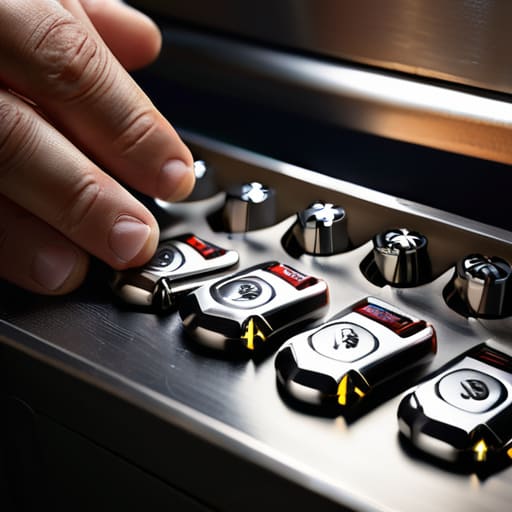
A lockout is rarely a mechanical failure; it is usually the result of skipping the small, unglamorous maintenance checks like battery swaps or keypad cleaning.
Treat your safe like your firearm—if you aren’t performing regular, proactive maintenance, you are essentially waiting for a problem to happen.
Documentation is your best tool for recovery, so keep your serial numbers and manual details in a place that isn’t locked inside the safe itself.
The Cost of Cutting Corners
At the end of the day, recovering from a lockout is rarely about a technical failure of the steel itself. It’s almost always a failure of the routine. Whether you’re staring at a dead keypad because you ignored the low-battery warning, or you’re sweating because you haven’t updated your combination in a decade, the solution is the same: discipline. You can call a locksmith, you can try the override keys, or you can spend an hour troubleshooting the electronics, but none of that is as effective as simply staying ahead of the gear. If you treat your safe like a piece of furniture instead of a piece of equipment, you’re going to end up on the wrong side of a locked door when you need it most.
I’ve spent twenty years watching people rush through their range prep, and I’ve seen that same rush translate to how they handle their home storage. A safe is meant to provide peace of mind, not a new set of problems to solve on a Tuesday night. Don’t wait for the lockout to happen before you start taking your maintenance seriously. Take ten minutes this weekend to check those batteries, write down that code in a secure spot, and test your protocols. When you respect the habits, the gear respects you. That’s how you keep the sport—and your gear—running exactly the way it’s supposed to.
Frequently Asked Questions
If I've already tried a jump-start on the electronic keypad and it still won't turn, am I looking at a mechanical failure or just a dead solenoid?
If you’ve already jumped the keypad and that bolt still won’t budge, you’re likely looking at a mechanical issue. Usually, it’s a stuck solenoid or a misaligned locking bar. When things get jammed, it’s rarely just a lack of juice; it’s often physical resistance. Don’t go forcing the handle—that’s how you bend the internal components and turn a simple fix into a permanent nightmare. Take a breath, check for obstructions, and prepare for a more technical repair.
Is there a point where I should stop messing with the dial and just call a locksmith before I accidentally damage the locking bolts?
Look, there is a line. If you’ve tried your combination three times, checked your batteries, and verified the mechanical parts aren’t jammed, stop. If you keep forcing that dial or hammering on the keypad, you aren’t just fighting the lock—you’re fighting the internal bolts. Once you bend a lever or strip a gear, a locksmith becomes a much more expensive conversation. If it doesn’t click after a few honest attempts, call the professional.
What are the actual signs that my safe's locking mechanism is wearing down, rather than just a one-time lockout issue?
You’ll start feeling it in the hands before you see it in the lock. If the dial feels “mushy” or doesn’t have that crisp, mechanical click when you hit a number, something is drifting. Watch for the handle needing more force than usual, or a bolt that sounds like it’s grinding rather than sliding. If you’re fighting the mechanism every single time you open it, that’s not a fluke—that’s a warning.




