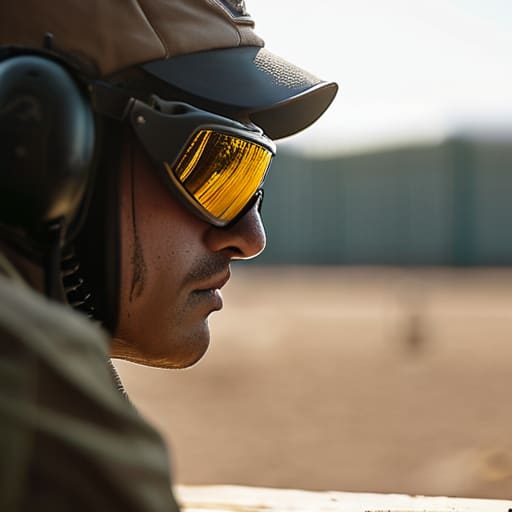
I’ve spent twenty years standing on the line, and if I had a nickel for every time a newcomer showed up with a thousand dollars’ worth of competition gear but didn’t know how to properly clear a malfunction, I’d have retired from the club a decade ago. Most people think learning how to get started in practical shooting is about buying the fastest holster or the most expensive optic on the market. They think it’s about the flashy movement and the high-speed drills you see on social media. But from where I’m standing, that’s just expensive theater. Real proficiency isn’t bought; it’s built through the boring, repetitive stuff that happens before you even step onto the stage.
In this guide, I’m not going to sell you on some magic piece of equipment or a shortcut to a championship trophy. Instead, I’m going to walk you through the foundational habits that actually keep you in the game—the stuff about gear maintenance, mental discipline, and safety checks that nobody bothers to film. We’re going to focus on the unseen work that turns a person with a handgun into a disciplined shooter. If you want the truth about how to build a platform that won’t fail you when the timer starts, you’re in the right place.
Choosing Your First Beginner Handgun for Competition
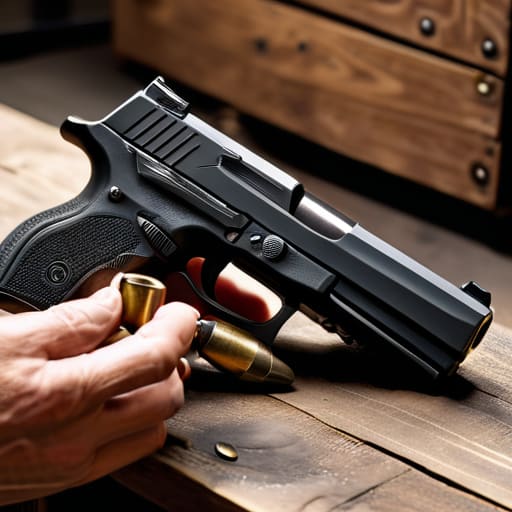
Now, I’ve seen folks walk onto my line with a custom-tuned, $2,000 race gun before they’ve even mastered a proper grip. It’s a mistake that’ll cost you more than just money. When you’re looking for a beginner handgun for competition, you don’t need bells and whistles; you need something reliable and, more importantly, something you can actually control. I usually tell people to look at a standard striker-fired polymer pistol. They’re rugged, parts are easy to find, and they won’t break the bank while you’re still figuring out your fundamentals.
The goal here isn’t to win a national championship next month; it’s to find a tool that lets you focus on your movement and transitions without worrying about a malfunction. You want a platform that is predictable and consistent. Once you’ve spent a few months working through your basic shooting sports training drills and you actually understand why your splits are inconsistent, then you can start talking to me about weight reduction or specialized triggers. For now, just get something that works every single time you pull the trigger.
Finding Local Shooting Clubs and Real World Mentors
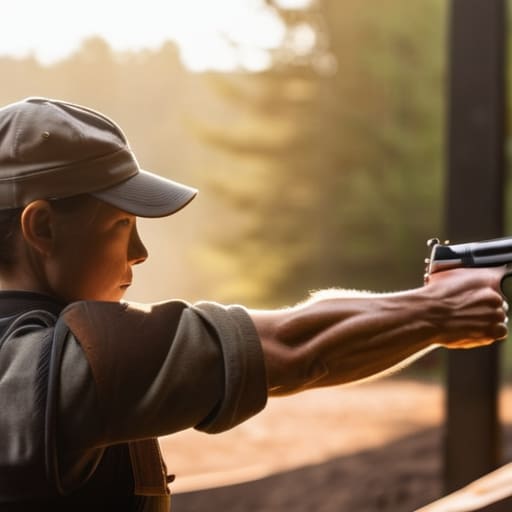
You can spend all the time in the world watching videos on your phone, but a screen won’t tell you why your grip is failing under recoil or how to properly transition between targets. Finding local shooting clubs is the fastest way to bridge that gap between theory and reality. I’ve spent twenty years standing on the line, and I can tell you that the best way to learn isn’t through a manual; it’s by standing next to someone who has been doing this since before you were born. Look for clubs that host matches for various disciplines—whether they follow USPSA vs IPSC rules or something more casual—because that variety will expose your weaknesses much faster than a solo practice session ever could.
When you show up, don’t walk in acting like you own the place. Be the person who listens more than they talk. Most of the seasoned shooters at these clubs are more than happy to share their knowledge, provided you show them you respect the discipline. Ask about their favorite shooting sports training drills or how they manage their gear, and you’ll find that most mentors are looking for one thing: a student who prioritizes action shooting safety fundamentals over trying to look fast. Respect the range, respect the rules, and the mentorship will follow.
The Boring Stuff That Actually Makes You a Competitor
- Stop buying gear before you buy time. I see new folks walk in with a custom holster, three different types of optics, and a brand-new competition belt, but they haven’t spent fifty hours just working on a consistent draw. Your first investment shouldn’t be hardware; it should be ammo and range fees. Get the reps in with what you have before you start chasing the next piece of plastic.
- Learn your manual of arms until it’s muscle memory. In a match, you don’t want to be thinking about how to seat a magazine or how to clear a malfunction. You want to be thinking about your movement and your sight picture. If you have to look down at your hands to see if a mag is seated, you’ve already lost the stage. Practice the mechanics of your specific firearm in the quiet of your own backyard until it’s automatic.
- Respect the timer, but don’t let it break you. A shot timer is the most honest coach you’ll ever have. It doesn’t care about your excuses or how “close” you felt that shot was. It just gives you a number. When you start using one, don’t just chase the faster time; chase the consistent time. A shooter who hits a 5.0 every single time is much more useful than a shooter who hits a 4.0 once and a 7.0 the next.
- Master the “unseen” maintenance. If you’re moving from casual plinking to practical shooting, your gear is going to take a beating. You’ll be sweating, you’ll be moving fast, and you’ll be getting grit in your action. You need a cleaning routine that isn’t just a suggestion. If you aren’t checking your spring tension and wiping down your rails every few hundred rounds, you’re just waiting for a mechanical failure to happen at the worst possible moment.
- Watch the people who aren’t shooting. When you’re at a club, don’t just focus on your own gear. Watch the seasoned shooters. Don’t just watch how they shoot—watch how they stand when they’re waiting for a stage, how they handle their equipment when they think no one is looking, and how they transition between positions. Most of the discipline in this sport happens in the gaps between the timers.
The Foundation Beyond the Firearm
Don’t let the gear outpace your habits; a fancy competition handgun won’t fix a sloppy reload or a failure to clear a chamber.
Seek out the old-timers at the club who focus on your stance and your safety rather than your split times.
Respect the unglamorous work—cleaning, maintenance, and gear organization—because a disciplined shooter is a safe shooter.
The Long Game
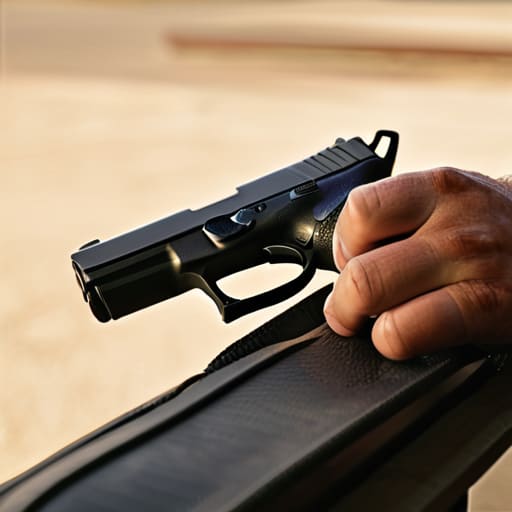
Getting started isn’t about buying the fastest holster or the most expensive optic on the market. It’s about the groundwork you lay before you even step onto the firing line. We’ve talked about picking a handgun that actually fits your hand, finding a club that won’t chew you up and spit you out, and finding those mentors who care more about your safety habits than your split times. If you get the gear right and find the right people, you’ve built a foundation. But remember, the equipment is just a tool; it’s the discipline in your routine that actually makes you a competitor.
Practical shooting is a marathon, not a sprint, and I’ve seen plenty of folks burn out because they tried to skip the boring parts. Don’t be one of them. Focus on the small, unglamorous things—the cleaning, the dry fire, and the constant, unconscious safety checks—and the scores will eventually follow. You don’t need to be a natural; you just need to be consistent. Stick to the process, respect the range, and keep your eyes on the fundamentals. Do that, and you’ll find that the sport becomes less about chasing a timer and more about mastering yourself.
Frequently Asked Questions
How much gear do I actually need to buy before my first match, or can I just show up with my handgun and a belt?
You can show up with a handgun and a belt, but you’ll be the person everyone is looking at for the wrong reasons. You need more than just the basics to be functional on a timer. Get yourself a decent holster that actually holds, plenty of extra magazines, and some reliable eye and ear protection. Most importantly, get a dedicated bag to keep it all organized. If your gear is a mess, your headspace will be too.
What’s the best way to practice my draws and transitions at home without making my spouse or neighbors nervous?
You don’t need live rounds to build muscle memory; you just need a dedicated drill setup. Get yourself a high-quality blue gun or a weighted training replica. Use a shot timer to keep yourself honest. Work on your draw to a target at eye level, and practice your transitions between multiple targets on a wall. If you focus on the mechanics—the grip, the press, the sight picture—without the noise, you’ll be much more prepared when you actually hit the range.
How do I know if I'm ready to move from casual target practice to a real competitive stage?
You aren’t ready when you start hitting the bullseye every time; you’re ready when your gear stops being a distraction. If you can move through a drill without fumbling your magazine, checking your chamber instinctively, or worrying about a loose grip, you’re getting there. Real competition is about managing variables under pressure. Once your safety habits are so deep they’re boring, you’ve got the foundation to handle a real stage.




