
I was standing on the line last Saturday when a kid—good kid, just high on adrenaline—got flagged by the RO for a movement violation. He didn’t just look embarrassed; he looked incensed, like the official had personally insulted his lineage. He spent the next three stages fighting the penalty instead of fighting the target, and by the end, his score was in the gutter and his temperament was even worse. Most people think learning how to handle a procedural penalty is about memorizing the rulebook or arguing with the judge, but they’ve got it backward. It isn’t a debate about the rules; it’s a test of your mental discipline.
I’m not here to give you a lecture on the technicalities of the scoring system. What I want to do is show you how to process that sting of a penalty so it doesn’t ruin your entire match. We’re going to talk about the unseen work—the breathing, the reset, and the refusal to let a mistake become a pattern. I’ll give you the straight truth on how to move past the error and get back to the shooting, because consistency is built in the recovery, not just the perfect run.
Mitigating Procedural Errors Before the Whistle Blows
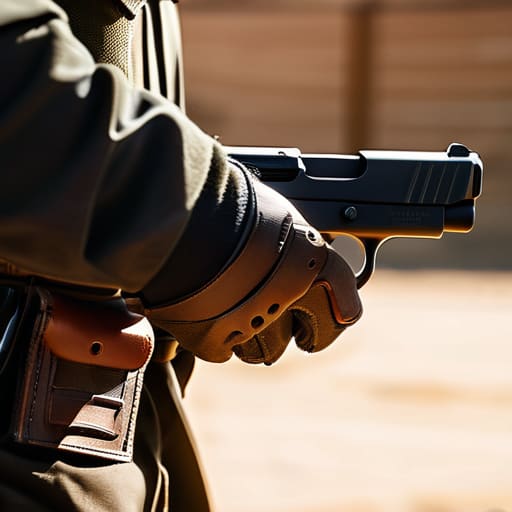
The best way to handle a mistake is to make sure it never happens in the first place. I’ve spent twenty years watching people rush through their pre-stage routines, and that’s usually where the trouble starts. If you’re scrambling to remember your gear layout or your holster position while the RO is giving you the briefing, you’ve already lost the mental game. Mitigating procedural errors isn’t about being perfect; it’s about building a rhythm so steady that your hands know what to do even when your brain is racing.
I tell my students to treat the setup like a machine shop checklist. You don’t just start cutting metal; you verify the tolerances first. In the same way, you need to run through your physical movements—the draw, the reload, the transition—slowly and deliberately before you ever step onto the hot line. If you find yourself constantly fighting your equipment or your stance, you don’t need more practice on the trigger; you need a better foundation. If you can control the chaos during the setup, the whistle becomes a starting signal rather than a source of panic.
Navigating Legal Procedural Mistakes Without Losing Your Cool
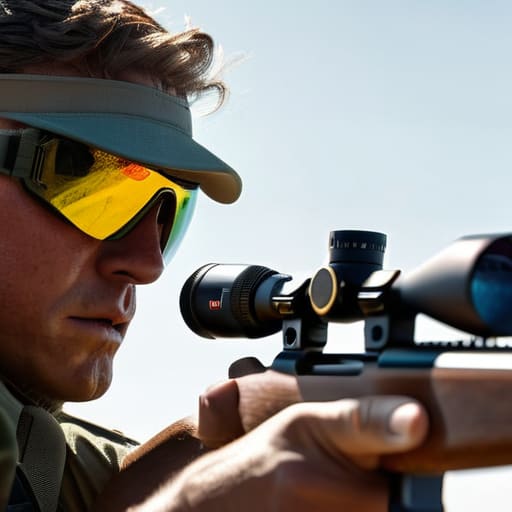
When you’re standing there and the official calls out a violation, the first thing you’ll feel is that heat rising in your neck. It’s an instinctual reaction, but in this sport, reacting with emotion is the fastest way to make a small mistake a permanent problem. Navigating legal procedural mistakes requires a level of discipline that most people think only applies to the firing line. If you start arguing or making excuses while the match is still live, you aren’t just being difficult; you’re demonstrating that you lack the temperament for the discipline.
The most effective way to handle the situation is to treat the ruling like a mechanical failure in a machine. You don’t yell at a broken gear; you acknowledge it, note it, and move on to the next step. If you believe the ruling was genuinely incorrect, don’t try to win the argument on the spot. Instead, focus on the formal process of appealing a procedural ruling through the proper channels after the dust has settled. Taking a beat to breathe and focusing on your immediate corrective action is better than risking further compliance and regulatory consequences by letting your temper drive your hands.
Five Ways to Keep Your Head When the Scorecard Drops
- Accept the call without the theatrics. If the RO calls a penalty, take it, nod, and move on. I’ve seen plenty of shooters lose their rhythm because they spent the next three stages arguing a call that was already made. You can’t shoot better if you’re busy being right.
- Reset your mental zero. A penalty is just a piece of data, not a character judgment. Once the penalty is recorded, it’s dead. Don’t let a mistake in stage one turn into a sloppy run in stage four because you’re still chewing on that lost point.
- Audit your physical reset. Usually, a procedural error isn’t a fluke; it’s a symptom of a breakdown in your movement or your grip. Instead of getting angry, look at your hands. Did you rush the reload? Did you forget the holster check? Find the mechanical break and fix it.
- Don’t let the “spectator effect” get to you. When you see a penalty, you’ll feel the eyes of the people on the line on you. Ignore them. The only person you’re actually competing with is the version of yourself that just made that mistake.
- Use the penalty as a training drill. If you got flagged for a safety violation or a movement error, don’t just shrug it off. Treat that penalty like a broken part on a machine—you don’t just ignore it and keep running; you find out why it failed and you adjust the process so it doesn’t happen again.
The Bottom Line on Staying Steady
A penalty is just data; it’s a signal that your mechanics or your mental checklist drifted, so take the hit, reset your breathing, and move to the next stage.
Don’t let a procedural error turn into a safety error by rushing to make up lost time; the clock is secondary to keeping your movements deliberate and your muzzle where it belongs.
True proficiency isn’t about never making a mistake, it’s about having the discipline to recognize the slip immediately and returning to your fundamentals before the next shot breaks.
The Long Game

At the end of the day, a procedural penalty is just data. It’s a signal telling you that your preparation or your mental discipline hit a snag. Whether you missed a movement requirement or fumbled a reload, the solution isn’t to dwell on the score or argue with the RO. You look at what happened, you identify the broken habit, and you fix it before you step back onto the line. You can’t undo the penalty, but you can absolutely control how you respond to it. If you can master your reaction to a mistake, you’re already halfway to mastering the discipline required for the sport itself.
I’ve seen plenty of shooters walk off a range with their heads down after a bad call, acting like their season is over. That’s not how we do things here. We focus on the unglamorous work—the repetition, the cleaning, and the slow, steady building of muscle memory that makes those errors disappear. Don’t let a single penalty define your capability. Take the lesson, tuck it away, and get back to the fundamentals. If you respect the process more than you crave the trophy, you’ll find that the shooting eventually takes care of itself.
Frequently Asked Questions
If I realize I've made a procedural error mid-stage, is it better to finish the run or stop immediately to avoid compounding the mistake?
If you realize you’ve tripped up mid-stage, stop. Don’t try to “fix” it while your heart is racing and your hands are moving. Most people try to power through, and that’s exactly how a simple procedural error turns into a safety violation. You stop, you reset, and you address the mistake. It’s better to take the penalty and keep your head than to keep moving and lose your discipline entirely.
How do I distinguish between a simple mistake in judgment and a habit that’s actually becoming a safety issue?
A mistake is a one-off; a habit is a pattern. If you forget to engage a safety once because you were distracted by a loud bang, that’s a mistake. If you find yourself consistently glancing at your target before verifying your chamber is clear, that’s a habit. One is a lapse in focus; the other is a fundamental breakdown in your process. When you see the same error twice, stop shooting and fix the foundation.
When a range officer calls a penalty, what’s the best way to address it without looking like I'm arguing or losing my focus for the next stage?
Take a breath. The moment you start arguing with the RO, you’ve already lost the match. If you disagree, wait until the stage is finished to ask for a clarification. In the moment, just acknowledge it, reset your mental gear, and move to the next task. An argument might save you a point, but it’ll cost you your focus, and that’s when the real mistakes happen. Accept the penalty, fix the habit, and get back to work.




