
I’ve spent twenty years standing on the firing line, and if there is one thing that drives me up the wall, it’s watching a shooter spend five hundred dollars on a high-end optic only to treat their data like an afterthought. I see people dialing in their adjustments, hitting the bullseye, and then just walking away without a single note. They think they’ll remember those clicks or those MOA shifts by next month, but memory is a fickle thing when you’re out in the field and the wind is picking up. If you don’t know how to record a zero properly, you aren’t actually mastering your rifle; you’re just hoping for the best, and hope is not a technical procedure.
I’m not here to sell you on some fancy, high-tech ballistic app that requires a subscription just to tell you where your bullet is landing. I want to talk about the unglamorous, manual discipline of keeping a real logbook. I’m going to show you the exact way I track my shifts, from environmental factors to the specific mechanical steps that ensure your data is actually useful when it matters most. Let’s get your habits straight so the shooting takes care of itself.
Precision in Numerical Recording Before the Results Matter
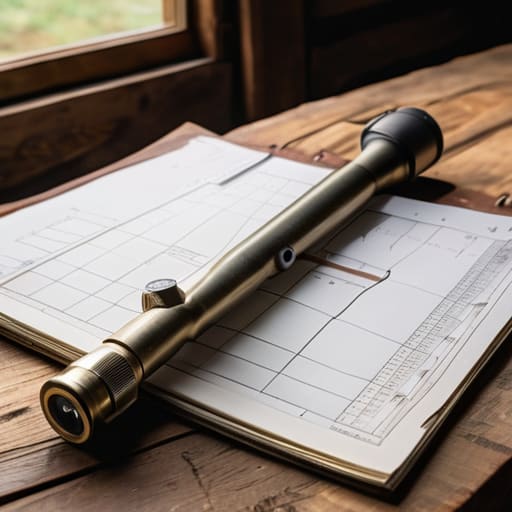
Most folks treat their range log like a grocery list—just a bunch of scribbled numbers on a scrap of paper. But if you want to actually understand your rifle’s behavior, you need to treat your logbook like a technical manual. I’ve seen guys try to troubleshoot a wandering group three months later, only to realize they didn’t record the temperature, the distance, or the exact click-adjustments they made. You aren’t just jotting down a result; you are building a history. This requires standardized documentation practices that you stick to every single time, regardless of whether you’re shooting a brand-new precision build or one of my old bolt-action projects.
Precision in numerical recording isn’t just about the point of impact; it’s about the data you collect while you’re getting there. If you’re adjusting your scope, don’t just write “up two clicks.” Write down the exact MOA or MIL adjustment, the ambient temperature, and the specific ammunition lot. If you leave gaps in your notes, you’re essentially handling missing data in datasets without even realizing it. When you skip the details, you lose the ability to see the pattern. A logbook without consistent detail is just a collection of guesses.
Why Data Integrity and Zero Placeholders Keep You Honest
If you leave a blank space in your logbook where a measurement should be, you aren’t just being lazy; you’re creating a hole in your history. I’ve seen guys look back at a notebook from three years ago and have no idea if they actually achieved a zero or if they just forgot to write it down. That’s why standardized documentation practices matter more than the shooting itself. You need to treat your logbook like a machinist treats a blueprint. If a value isn’t there, the whole sheet is suspect.
When you’re tracking your groups, you have to decide how you handle those gaps. I always tell my students that there is a massive difference between a “null” value—meaning you never even pulled the trigger—and a “zero” value, which is a specific measurement of your point of impact. Using data integrity and zero placeholders ensures that when you go to adjust your windage or elevation six months from now, you aren’t guessing based on a memory that’s likely gone wrong. You aren’t just recording numbers; you’re building a reliable map of your rifle’s performance.
Five Ways to Keep Your Data From Lying to You
- Write down the exact ammunition lot number right next to your group size. If you change brands or even just a new box from the same manufacturer, your zero is going to shift, and you need to know exactly why that happened when you look back at your notes six months from now.
- Don’t just record the center of the group; record the diameter of the tightest cluster you actually shot. A single “lucky” shot in the middle of a scattered mess isn’t a zero, it’s a fluke, and if you record it as your baseline, you’re setting yourself up for a lot of frustration later.
- Note the temperature and your elevation if you’re being serious about it. I’ve seen guys swear their rifles are acting up, only to realize they’re chasing a zero that shifted because they moved from a humid valley to a dry ridge.
- Log the specific optic settings and mounting torque if you’ve made any adjustments. If you tightened a ring or bumped a turret, that’s a new variable. If you don’t write it down, you’ll spend your next range day trying to find a zero that was actually just a mechanical shift.
- Always include the distance from which the shot was taken. It sounds simple, but I’ve seen plenty of notebooks where a guy has a string of numbers and realizes halfway through that half of them were at 50 yards and the rest were at 100. You can’t compare apples to oranges.
The Bottom Line on Keeping Your Data Clean
Treat your logbook like a maintenance manual, not a scrap of paper; if you aren’t writing down specific elevations and wind conditions, you aren’t recording a zero, you’re just guessing.
Always use placeholders for missing information instead of making up numbers, because a fake entry is more dangerous to your long-term progress than an empty one.
Remember that the goal isn’t just to see where the bullet hit, but to build a reliable history that tells you exactly how your rifle is behaving before you’re out in the field when it actually counts.
The Long Game of the Logbook

At the end of the day, recording your zero isn’t about satisfying some academic urge to collect numbers; it’s about building a reliable map of your equipment. If you aren’t noting the exact minute, the temperature, and the specific ammunition used, you’re just guessing when things go sideways later. By keeping your data clean and avoiding those lazy placeholders, you’re making sure that when you finally step up to a meaningful target, you aren’t fighting your own memory. It’s the small, unglamorous task of writing it down correctly that separates the people who shoot from the people who actually understand their rifles.
I’ve spent twenty years watching folks walk onto the line, and the ones who progress the fastest aren’t always the ones with the steadiest hands. They’re the ones who treat their gear with a certain level of respect, starting with the paperwork. When you take the time to document your process, you’re practicing the discipline that keeps you safe and keeps your shots on target. Don’t treat your logbook like an afterthought; treat it like a fundamental part of your training. Get the record-keeping right, and the shooting will eventually take care of itself.
Frequently Asked Questions
If my groups are tight but the center of impact is off, do I record the actual impact point or just note that the zero was missed?
You record the actual impact point. Every time. If you just write “missed,” you’re throwing away the most useful data you have. A tight group that’s off-center tells you exactly what’s happening—your fundamentals are likely solid, but your sights or your mounting might be drifting. If you don’t track that specific offset, you won’t know if your adjustment actually fixed the problem or if you’re just chasing ghosts. Record the numbers.
How much detail should I be putting into my notes regarding environmental factors like wind or temperature when I'm logging these numbers?
Don’t overthink it, but don’t ignore it either. You don’t need a full meteorological report, but if the temperature swings twenty degrees or a steady crosswind starts kicking up, write it down. I’ve seen guys wonder why their groups shifted two inches, only to realize they were shooting in a different climate than the day before. Just jot down the basics: temperature, wind direction, and maybe even the humidity. It’s about context, not a science project.
At what point do I stop recording individual shot data and just start noting the final corrected zero in my logbook?
You stop recording the individual shot data once you’ve established a consistent group that matches your expectation for that distance. If you’re chasing a single outlier, keep logging. But once you see that cluster tightening and the mean point of impact has stabilized, stop. At that point, you record the final corrected zero—elevation and windage—and move on. Don’t clutter your log with the noise of the process; just record the result.




