
I’ve spent twenty years watching folks walk onto my line, and half of them are carrying rifles with stocks that look like they’ve been through a swamp. Most of the “experts” online will try to sell you a twenty-dollar tin of specialized wax or tell you that you need a complete refinishing kit just to keep things decent. That’s nonsense. Learning how to care for a wooden stock isn’t about buying expensive boutique oils; it’s about understanding how moisture and temperature work against the grain. I once saw a guy ruin a perfectly good walnut piece because he thought more was better, and frankly, he was just asking for a crack that would’ve cost him a fortune to fix.
I’m not here to give you a chemistry lesson or a sales pitch. I’m going to tell you exactly what I do when I’m sitting at my workbench with an old bolt action that’s seen better days. We’re going to talk about the simple, unglamorous habits that actually keep the wood stable and the fit tight. My goal is to give you the straight-talk version of maintenance—the kind of stuff that keeps your rifle reliable for the next generation without wasting your time or your money.
Cleaning Rifle Stocks Safely Without Ruining the Grain
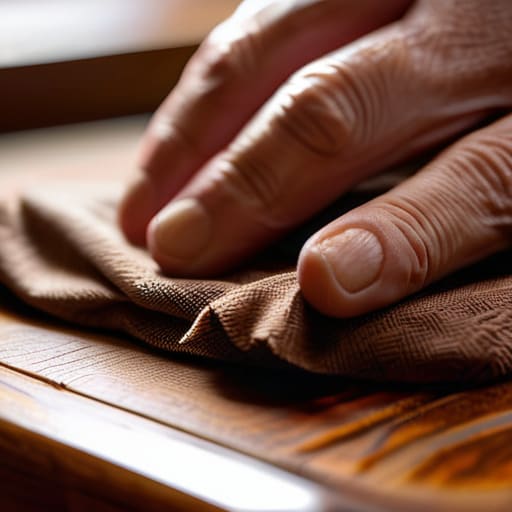
When you sit down to clean a rifle, your first instinct might be to grab the same solvent you use on the action. Stop right there. That’s how you end up with a blotchy, ruined mess. If you’re cleaning rifle stocks safely, you need to treat the wood like it’s a separate piece of equipment entirely. I always tell my students to start with a soft, lint-free cloth and a mild, non-abrasive cleaner. You aren’t trying to strip the soul out of the piece; you’re just lifting the dust and the grit that settles in the grain after a long day at the range.
If you notice the finish is getting gummy or built up with years of hand oils, don’t go hacking away at it with sandpaper. That’s a slippery slope toward a full-blown gun stock refinishing process that you probably aren’t ready for. Instead, work in small, circular motions with a dedicated wood soap. You want to lift the grime without stripping the protective layer that keeps the moisture out. If you’re too aggressive, you’ll open up the pores of the wood, and that’s exactly when you’ll start seeing trouble.
Protecting Wood From Humidity and the Elements
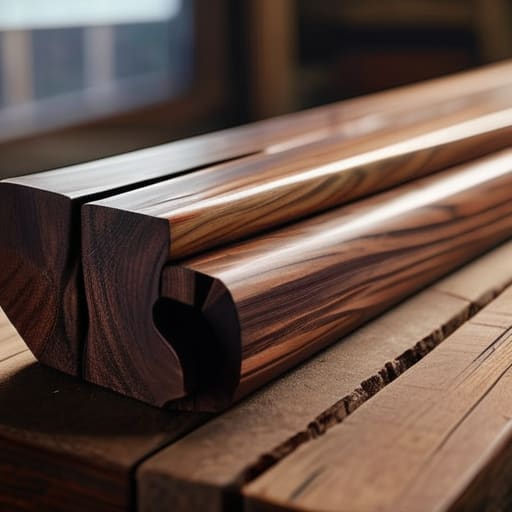
I’ve seen enough rifles come across my bench with hairline fractures because a shooter thought a canvas bag was enough protection. If you’re moving from a dry basement to a damp morning in the field, that wood is going to breathe. It’s not a matter of if, but when. Protecting wood from humidity isn’t just about keeping it dry; it’s about managing how that moisture moves through the grain. If the wood swells and shrinks too fast because you’re jumping between extremes, you’re looking at a serious headache.
You want to avoid the kind of damage that requires a full gun stock refinishing process just to make the rifle look decent again. My rule of thumb is simple: keep your gear in a controlled environment whenever you aren’t using it. If you’re storing them in a safe or a cabinet, make sure there isn’t a damp rag or a humid corner nearby. Preventing wood cracks and warping starts with a stable environment, not just a fancy coat of wax. If you neglect the climate, no amount of oil is going to save that stock from splitting.
Five Habits to Keep Your Stock from Giving Out
- Stop using those cheap, supermarket-grade furniture polishes; they’re full of silicone that’ll gunk up the grain and make it impossible to apply a real finish later.
- If you’re out in the field and the wood gets damp, don’t just toss it in a soft case and call it a day; give it a wipe with a dry cloth and let it breathe before you lock it in a closed box.
- Watch your oiling habits—a little linseed or tung oil is fine, but if you soak the wood until it’s greasy, you’re just inviting the finish to peel or the wood to swell.
- Check your bedding regularly for any hairline cracks or loose screws, because a stock that’s lost its structural integrity is just a liability when you’re trying to zero a rifle.
- Don’t be lazy about the transition between seasons; if you’re moving from a dry summer to a humid winter, your wood is going to move, and you need to be ready to adjust your maintenance accordingly.
The Bottom Line on Keeping Your Wood Alive
Stop treating your stock like a piece of furniture; it’s a functional part of your rifle that needs regular oiling to keep the grain from drying out and cracking.
Watch the moisture levels in your storage area, because a humid gun safe is just a slow way to rot the very thing holding your barrel steady.
Avoid the temptation to use harsh, chemical cleaners that strip the finish; if you’re too aggressive with the cleaning, you’re just inviting the elements to do the damage for you.
The Long Game
At the end of the day, taking care of a wooden stock isn’t about making a rifle look pretty for a photo; it’s about preventing the kind of damage that can’t be undone. You’ve got to be careful with how you clean the grain, keep a close eye on the humidity in your safe, and never let moisture sit long enough to sink in. If you skip the small stuff—the light wipe-downs or the occasional oiling—you’re eventually going to be dealing with a split stock or a warped bedding surface. It’s a lot easier to prevent a crack than it is to try and glue a rifle back together after it’s failed you on a long shot.
I’ve spent twenty years watching people treat their gear like it’s indestructible, only to see them frustrated when a piece of history fails them right when they need it most. A good rifle is a partnership, and that partnership requires a little bit of unglamorous work when the shooting is done. Don’t view maintenance as a chore; view it as respecting the tool that allows you to enjoy this sport. Do the checks, keep the wood healthy, and I promise you, that rifle will be ready to go every single time you step onto the line.
Frequently Asked Questions
Is it worth it to strip an old, dried-out stock down to the bare wood, or am I just inviting more trouble?
Look, I’ve seen guys strip a stock down to the bare grain thinking they’re doing it a favor, only to end up with a piece of wood that’s more thirsty than a desert. If that wood is bone-dry and brittle, stripping it can be the final straw. If you can still see a healthy finish, leave it be. Only go that route if you’ve got the patience—and the right oils—to rebuild it properly.
How do I know if I’ve gone too heavy on the oil and ended up making the wood soft?
If you’ve gone overboard with the oil, you’ll notice the wood feels “spongy” or tacky to the touch. It won’t feel like a solid piece of timber anymore; it’ll feel like it’s absorbing your grip. If you press a thumbnail into a non-impact area and it leaves a dent that stays there, you’ve soaked the fibers. You’ve basically turned your stock into a sponge, and that’ll cause it to swell or crack later.
If I notice a small hairline crack starting near the recoil lug, can I actually fix that myself or is the rifle done?
Don’t panic, but don’t ignore it either. A hairline near the recoil lug isn’t a death sentence, but it is a warning. If it’s just a surface split, you can often stabilize it with a bit of thin CA glue and some patience. But if that crack is deep enough to let the action shift under recoil, you’re looking at more than a cosmetic fix. If you aren’t comfortable bedding it yourself, take it to a professional.




