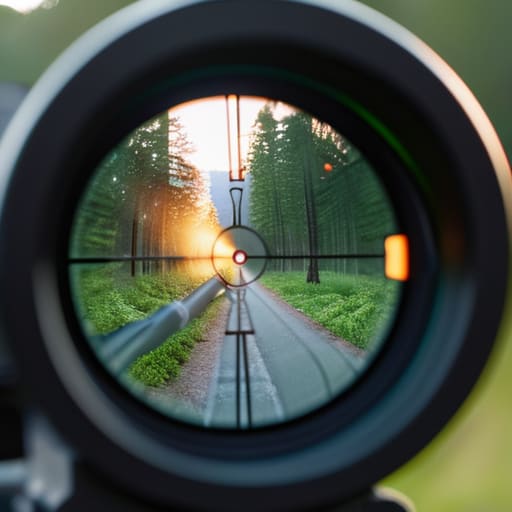
I spent thirty years working with machines where precision wasn’t a suggestion, it was the law, and I see the same mistake happening in the optics aisle every single week. People walk into the shop with a thousand-dollar budget and a head full of marketing jargon, thinking they need the most expensive glass just to keep up with the guys on the long-range forums. They get so caught up in the specs that they completely ignore the actual application, making the decision on how to choose a first or second focal plane scope based on what looks good in a catalog rather than what works when the wind starts picking up. It’s a waste of good money and, more importantly, a waste of your time at the range.
I’m not here to sell you on the latest shiny toy or tell you that more magnification equals more skill. I want to strip away the fluff and talk about how these reticles actually behave when you’re staring down a target at three hundred yards. I’m going to show you the practical reality of how each system affects your holdovers, so you can make a choice that actually serves your shooting style instead of just padding a manufacturer’s profit margin.
Why Ffp vs Sfp Reticle Accuracy Matters for Life
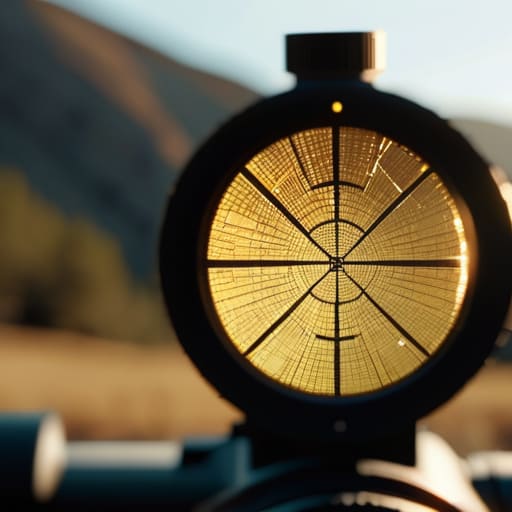
Here’s the thing about most people: they think a scope is just a way to see things bigger. But when you’re actually out there trying to hold a target at a distance, the math starts to matter more than the glass. If you’re using a Second Focal Plane setup, your reticle stays the same size while you zoom in and out. That sounds fine until you try to use those hash marks to hold over for wind or drop. You can’t just trust the lines, because your subtension accuracy at different magnifications is non-existent. You end up doing mental math in the middle of a shot sequence, and that’s exactly when mistakes happen.
I’ve seen too many shooters get frustrated because they thought they were dialed in, only to find their holds were off by inches because they didn’t account for the scale change. With a First Focal Plane optic, that reticle grows and shrinks with the image. Whether you’re at 4x or 12x, the mil-dot reticle scaling stays consistent. You don’t have to guess. When you’re chasing long range shooting precision, you want a tool that works the same way every time you turn the magnification dial.
The Real Cost of Poor Precision Rifle Optic Selection
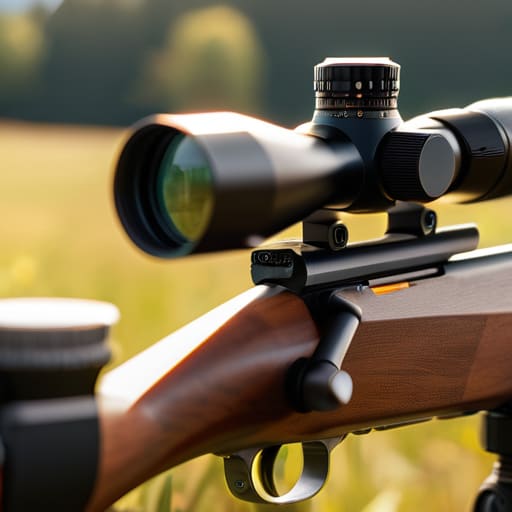
The real cost isn’t just the money you sink into a piece of glass; it’s the frustration that sets in when your math doesn’t match your impact. I’ve seen too many folks spend a small fortune on a high-end build, only to realize they’ve ignored subtension accuracy at different magnifications. If you’re running an SFP optic and trying to hold over a target at high zoom, your reticle isn’t actually scaling with you. You’ll be doing mental gymnastics to adjust your hold, and when the wind picks up or the distance changes, that math is going to fail you.
In long range shooting precision, guesswork is a habit you need to break early. When you choose the wrong setup, you aren’t just missing shots; you’re building a foundation of incorrect data. You start trusting a hold that isn’t actually true to the mil or MOA you’re reading. That lack of confidence ripples through your entire process, from your breathing to your trigger squeeze. You shouldn’t be fighting your equipment just to get a consistent result.
Five Rules for Not Wasting Your Money on the Wrong Glass
- Stop thinking about the price tag and start thinking about your distance. If you’re mostly plinking at 50 yards in your backyard, an FFP scope is just extra complexity you don’t need. But if you plan on pushing past 300, you need that reticle to scale, or you’ll spend half your time guessing where your holdovers are.
- Match the optic to your discipline, not your neighbor’s gear. I’ve seen too many guys buy a high-end FFP long-range setup for a hunting rifle they only use at 100 yards. It’s overkill, it’s heavier, and it makes the rifle harder to carry. Use the right tool for the job you actually do.
- Remember that FFP requires more brainwork. When you zoom in on an FFP scope, the reticle gets bigger and your subtensions stay accurate, but you have to be aware of where you are on the magnification dial. If you want something simple where the reticle stays the same size no matter what, stick with SFP.
- Don’t ignore the weight penalty. FFP glass often comes in heavier tubes and more complex internal assemblies. If you’re building a lightweight mountain rifle for scouting, that extra weight in your optic is going to feel real heavy by the end of the fifth mile.
- Check your math before you buy. Before you pull the trigger on a purchase, sit down and look at your typical engagement distances. If your subtensions are going to be useless at your most common distance because you picked the wrong focal plane, you aren’t buying an optic—you’re buying a paperweight.
The Bottom Line Before You Buy
Stop looking at the price tag and start looking at your target distance; if you’re shooting anything past 300 yards, a Second Focal Plane scope is just going to make your holdovers a guessing game.
Match the optic to your discipline, not your budget, because buying a flashy SFP scope for precision long-range work is a habit that leads to wasted ammo and a lot of frustration at the bench.
Decide early if you want the reticle to grow with your magnification or stay fixed, because once you’ve mounted that glass, changing your mind is a headache you don’t need.
Making the Call
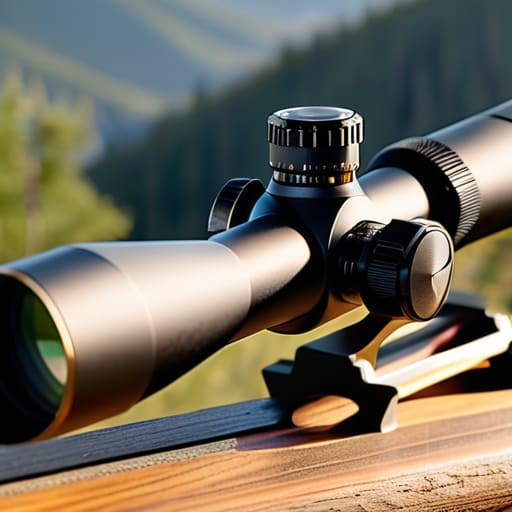
At the end of the day, choosing between FFP and SFP isn’t about finding the “best” optic on the market; it’s about deciding how you want to work. If you’re planning on running varied distances where your holdovers need to stay true to your reticle, you’re going to want that First Focal Plane setup, even if it costs a bit more and feels a little busier in the glass. But if you’re a casual shooter who mostly sits at a fixed magnification and wants a clean, simple view without the extra math, Second Focal Plane is going to serve you just fine. The mistake isn’t picking the “wrong” one—the mistake is buying a piece of glass that fights your natural shooting style instead of supporting it.
I’ve spent twenty years watching people struggle with gear that didn’t match their intent, and it always ends the same way: frustration and wasted brass. Don’t let the technical jargon or the shiny catalogs pull you into a purchase you’ll regret the moment you hit the range. Take your time, understand your discipline, and invest in the tool that makes the process feel second nature. When your gear becomes an extension of your eyes rather than a hurdle to overcome, that’s when you actually start mastering the sport.
Frequently Asked Questions
If I'm mostly shooting at predictable distances like 100 yards, is there any real reason to spend the extra money on an FFP scope?
If you’re strictly a 100-yard man, you can get away with SFP. It’s a practical choice. But here’s the thing: habits are hard to break once they’re set. If you ever decide to step back to 300 or 500 yards, that SFP reticle is going to lie to you. You’ll be doing mental math under pressure, and that’s when mistakes happen. If you can afford the FFP, buy it. Build the habit of using a true reticle now.
Can I just use a standard SFP scope for long range if I learn how to use a holdover chart or a ballistic calculator?
You can, but you’re adding a mental math tax to every single shot. A ballistic calculator tells you where the bullet goes, but it doesn’t change the fact that your reticle subtensions shrink when you zoom out on an SFP scope. You’ll be staring at a chart, then staring at a tiny crosshair, trying to remember if that mil-dot is actually a mil-dot at this magnification. It’s doable, but it’s a habit that invites error.
Is there a significant trade-off in how clear the glass looks when I'm zoomed all the way in on an FFP optic compared to an SFP?
Look, people get hung up on the math, but they forget they actually have to look through the glass. To answer your question: no, the focal plane doesn’t dictate the clarity of the glass itself. That’s down to the quality of the lenses and the coatings. An FFP scope isn’t inherently “blurrier” at high magnification than an SFP; if the glass is clear at 4x, it’ll be clear at 16x. Don’t mistake reticle scaling for optical quality.




