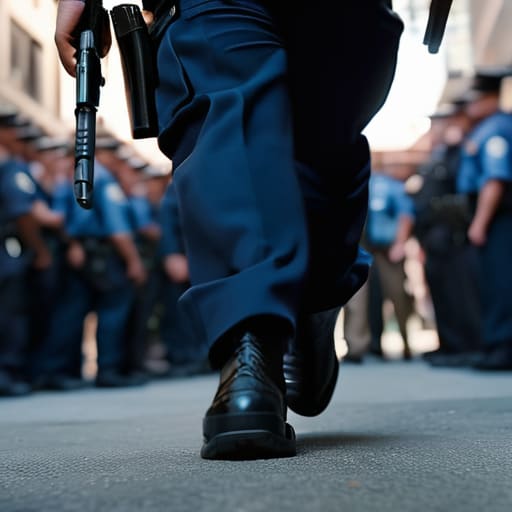
I’ve spent twenty years standing on the edge of the firing line, and I can tell you that most of the “tactical” advice you see online is nothing but expensive noise. People will spend thousands on high-speed optics and specialized gear, yet they still struggle with the most basic fundamental: knowing how to manage muzzle direction in a crowd. I remember a Saturday morning a few years back when a guy, decked out in enough kit to invade a small country, nearly swept a group of kids just because he got caught up in the excitement of a movement drill. He wasn’t being malicious; he was just distracted by his own gear. He forgot that the moment you add people to your environment, your primary job isn’t hitting a target—it’s controlling that barrel.
I’m not here to give you a lecture or sell you a new holster. I want to talk about the boring, repetitive habits that actually keep the line safe when things get crowded. We’re going to walk through the practical, unglamorous steps of maintaining awareness when the space gets tight and the distractions start piling up. My goal is to help you turn muzzle discipline into a second nature reflex, so you can focus on your shooting without ever having to worry about where that steel is pointing.
Situational Awareness in High Density Areas

When the range is empty, it’s easy to keep your business to yourself. But once that Saturday morning crowd rolls in, or you find yourself navigating a busy hallway, your focus has to shift. Most people think safety is just about what you’re doing with your hands, but true situational awareness in high density areas starts with your eyes. You need to be scanning the floor and the people moving around you before you even think about your gear. If you’re looking down at your feet to avoid a trip hazard, you’ve already lost the rhythm of the room.
It’s also about how you carry yourself. I’ve seen plenty of folks get tripped up because they’re too focused on their target and forget about the person walking past their shoulder. Maintaining muzzle control during transitions isn’t just a drill you run at the club; it’s a mental state. You have to anticipate the movement of others. If someone cuts you off, your first instinct shouldn’t be to step back—it should be to ensure your barrel isn’t following them. It’s a boring, constant mental check, but that’s exactly why it works.
Safe Holster Techniques for Crowds
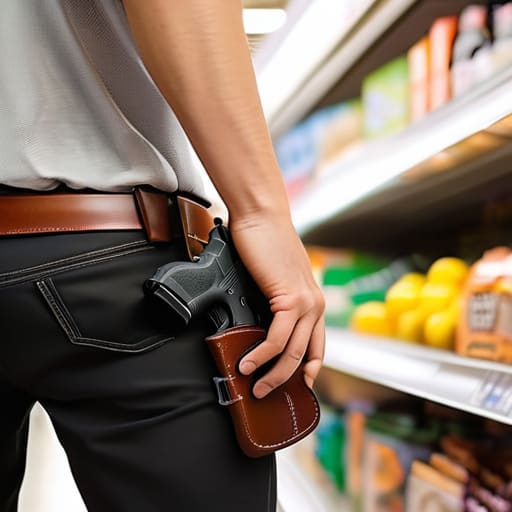
When you’re carrying in a tight space, the holster isn’t just a place to put your tool; it’s your primary safety mechanism. I’ve seen plenty of folks get complacent because they think the holster makes them invincible. But in a crowd, your biggest risk isn’t a malfunction—it’s a bump from a distracted pedestrian or a sudden shift in your own footing. You need to be practicing safe holster techniques for crowds by ensuring your gear is seated properly and your retention is something you don’t have to think twice about. If your holster is loose or poorly fitted, a simple nudge in a grocery aisle can turn a controlled situation into a crisis.
The real work happens during the transitions. If you have to move or adjust your position, don’t just let your hand wander. Every time you reach for your belt or adjust your clothing, you are performing a high-risk maneuver. I always tell my students that maintaining muzzle control during transitions is what separates a prepared person from someone who is just lucky. Don’t let the chaos of a crowd dictate your movements; stay deliberate, keep your eyes moving, and treat every adjustment as if you’re on a live firing line.
The Boring Habits That Keep the Line Safe
- Stop thinking about your target and start thinking about your surroundings; in a crowd, your priority isn’t the bullseye, it’s the empty space between you and the person standing next to you.
- Treat every movement like a slow-motion drill, because when you’re rushed or crowded, that’s exactly when a barrel starts sweeping a bystander’s leg without you even realizing it.
- If you feel the space closing in on you, don’t try to fight for position—just step back, clear the area, and wait until you have a dedicated lane of safety before you even think about unholstering.
- Make the “clear chamber” check a physical ritual every single time you transition from moving through a crowd to standing at a station; I’ve seen too many people get distracted by the noise and forget they’re still carrying live rounds.
- Keep your hands on your gear when you aren’t actively shooting; it sounds simple, but having a physical connection to your holster or your sling acts as a constant, subconscious reminder of exactly where your weapon is pointed.
The Three Things You Don't Forget
Stop thinking about the target and start thinking about the barrel; in a crowd, your muzzle direction is more important than where you’re aiming.
Make your holster work a deliberate, slow process rather than a reflex; rushing a draw in a tight space is how people get hurt.
Build the habit of the visual check—don’t just assume your firearm is clear or pointed safely, verify it every single time you move through a group.
The Discipline of the Line
At the end of the day, managing your muzzle in a crowd isn’t about fancy tactical movements or high-speed drills. It comes down to the basics we’ve talked about: maintaining constant situational awareness, mastering your holster transitions, and never letting your focus drift just because the environment gets busy. It is about the unseen discipline of checking your surroundings before you even touch your gear. If you can keep your eyes moving and your muzzle pointed in a safe direction while the noise and the people are closing in, you’ve already won half the battle. It’s those small, repetitive, and often boring habits that form the foundation of a safe shooter.
I’ve spent twenty years watching people on the line, and the ones I respect most aren’t the fastest or the loudest; they are the ones who treat every movement with a quiet, steady intentionality. Safety isn’t a burden you carry; it is the way you respect the tool in your hands and the people standing next to you. Don’t wait for a close call to realize your habits are slipping. Build the discipline now, while the stakes are low, so that when the crowd gets thick, your muscle memory takes over. Get the fundamentals right, and you’ll find that the shooting part becomes the easiest part of your day.
Frequently Asked Questions
What do I do if someone accidentally bumps into me while I'm transitioning between targets?
If someone bumps you, your first instinct is to flinch or jerk the gun. Don’t. If you feel that contact, freeze your feet and focus entirely on where that muzzle is pointing. It’s better to look like a statue for three seconds than to let a reflexive movement sweep the line. Take a breath, re-verify your direction, and only then continue your transition. It’s a boring, slow way to handle it, but it’s the right way.
Is it better to keep my firearm holstered or drawn when navigating through a dense crowd of people?
If you’re asking me, the answer is simple: keep it holstered. I’ve watched too many folks think being “ready” means having a hand on the grip while walking through a crowd. That’s just an invitation for a mistake. A drawn firearm in a dense group is a liability, not an advantage. Keep it tucked away, keep your hands free, and focus on the people around you. The goal is to be unnoticed, not ready for a fight that isn’t happening.
How can I maintain my own awareness of others without getting so distracted that I lose focus on my own muzzle control?
You have to treat it like a scan, not a stare. If you fixate on a person walking too close, you’ll forget where your barrel is. I tell people to use peripheral vision for the crowd and keep the center of their focus on their own mechanics. It’s about rhythm. You check the room, then you check your grip, then you check your muzzle. If you can’t do both, you shouldn’t be drawing.




