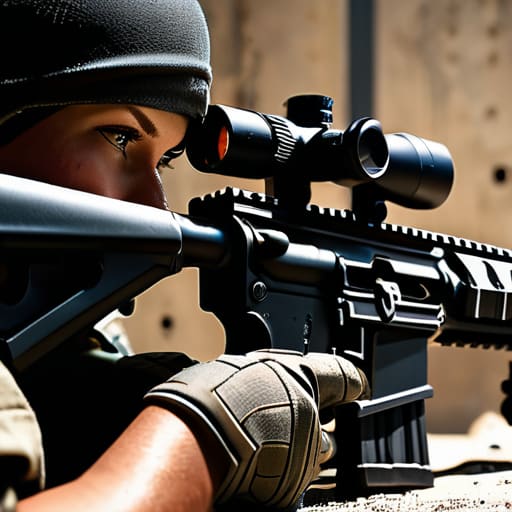
I’ve spent twenty years standing on the line at the club, and if there’s one thing I’ve learned, it’s that people love to overcomplicate things with expensive gear and tactical jargon they saw in a movie. I see shooters grab these high-end plate carriers and specialized kits, thinking that’s the secret to staying safe, when they haven’t even mastered the basics of how to shoot from behind cover effectively. They treat a concrete pillar like it’s a magic shield, peeking out far too much and exposing their entire profile because they’re too focused on their target and not enough on the structural reality of what’s actually stopping a projectile.
I’m not here to give you a lecture on high-speed maneuvers or sell you a dream of being a special operator. My goal is to strip away the nonsense and talk about the mechanical, unglamorous habits that actually keep you in the fight. I’m going to show you how to use your body, your sight picture, and the environment to create a disciplined position that works in the real world, not just in a training video. We’re going to focus on the small, repetitive checks that ensure you aren’t just hiding, but actually using your cover as it was intended.
Hard Cover vs Concealment Knowing What Actually Saves You

I see it every Saturday morning: a new shooter ducks behind a thin wooden fence or a leafy bush, thinking they’re invisible. They aren’t. There is a massive, life-altering difference between concealment and cover. Concealment is just a way to hide your silhouette; it might keep you out of sight, but it won’t do a lick of good when a round comes flying through it. If you want to stay in the fight, you need something that can actually stop a projectile.
When you’re practicing using hard cover vs concealment, you have to stop thinking about being “hidden” and start thinking about being “protected.” A brick wall or a heavy engine block is cover. A car door or a drywall partition is often just concealment. If you treat a bush like a shield, you’re going to learn a very hard lesson. Part of mastering combat shooting fundamentals is learning to respect the material in front of you. Don’t just duck; make sure what you’re ducking behind is actually capable of doing its job.
Minimizing Target Exposure Through Disciplined Combat Shooting Fundamentals
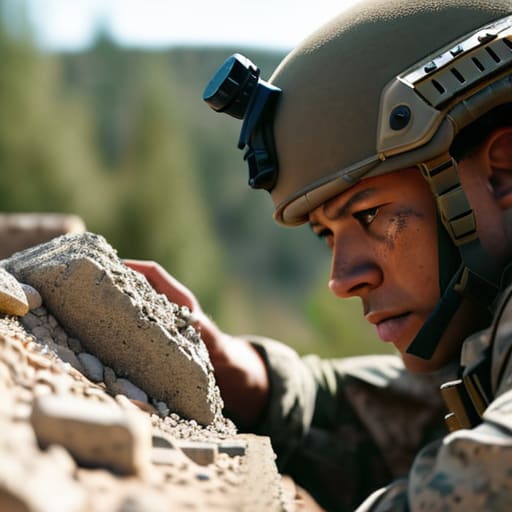
It isn’t enough to just find a wall and stick your head out. I’ve seen plenty of folks think they’re being smart, only to realize they’ve turned their entire torso into a target. True discipline comes down to minimizing target exposure by controlling exactly how much of your body is actually in the fight. You want to use the obstacle to shield your vitals, not just your eyes. This means hugging the cover tight and understanding that every inch of skin you show is an inch you don’t need to be showing.
You also have to watch your geometry. When you’re shooting from corner angles, the mistake most people make is standing too far back or peeking too wide. You need to find that sweet spot where you can see the threat, but the threat can’t see you. It’s about improving sight picture behind obstacles without sacrificing your safety margin. If you’re leaning out too far to get a better view, you’ve already lost the advantage. Keep your movements small, deliberate, and centered behind the protection you’ve found.
The Small Habits That Keep You Behind the Wall
- Watch your feet, not just your eyes. I’ve seen too many folks get so focused on peeking around a corner that they forget they’re standing in the middle of an open doorway. If your stance isn’t tucked tight into the shadow of that cover, you’re just a silhouette waiting to happen.
- Don’t treat cover like a suggestion. You need to be physically hugging it. If there is a gap between your shoulder and the brick, you aren’t using cover; you’re just standing near it. Get close enough to feel the texture of what’s protecting you.
- Stop the “peek-a-boo” habit. It isn’t a game of hide-and-seek. If you’re popping your head out, staying there for a second, and then pulling back, you’re giving away your rhythm. It’s better to make one decisive, controlled movement than five nervous, jerky ones.
- Respect the material. Just because it’s a heavy wooden post doesn’t mean it’s stopping a round. I always tell people: know what you’re leaning on before you decide to rely on it. A thin sheet of metal or a hollow door might look like a shield, but it won’t act like one when things get loud.
- Keep your muzzle discipline tight even when you’re tucked in. When you’re cramped up against a wall or a corner, it’s easy to let your barrel wander or point toward your own feet while you’re trying to find a window. Keep that muzzle pointed downrange, even when you’re feeling crowded.
The Three Pillars of Staying Behind the Line
Don’t confuse a bush with a brick wall; if it doesn’t stop a round, it’s just concealment, and you need to know that difference before the first shot is fired.
Treat your position like a machine—if you’re peeking out too far or moving too much, you’re creating unnecessary friction that’ll get you hit.
Respect the physics of your cover by checking what’s actually behind it, because knowing what’s stopping the bullet is just as important as knowing where the bullet is going.
The Discipline of the Line
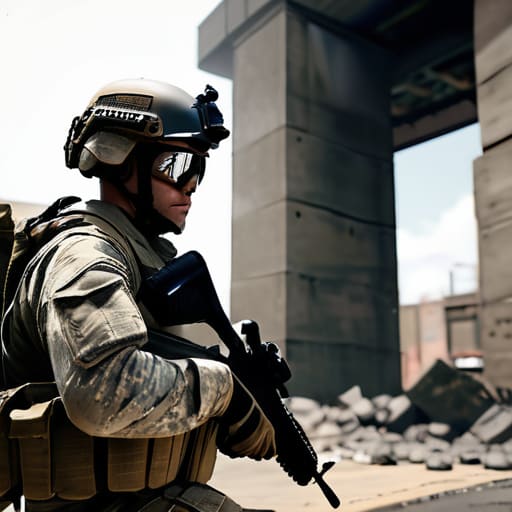
At the end of the day, using cover isn’t about some cinematic trick you saw in a movie; it’s about the math of survival. You have to know the difference between something that just hides your silhouette and something that actually stops a projectile. If you don’t take the time to assess your position—making sure you aren’t exposing too much of your profile or leaning into a fatal funnel—you’re just making yourself an easier target. It comes down to the fundamentals we’ve talked about: choosing the right material, managing your exposure, and maintaining your discipline even when the pressure starts to rise. Mastering these mechanics is what separates a person who is just reacting from someone who is actually in control of the situation.
I’ve spent twenty years watching folks on the range, and the ones who succeed aren’t usually the loudest or the fastest. They are the ones who respect the process and treat every movement with deliberate intention. Shooting is a sport of habits, and how you handle cover is just another habit you need to bake into your muscle memory until it’s second nature. Don’t aim for flash; aim for consistency. If you get the unglamorous work of positioning and discipline right, the rest of your performance will follow. Keep your head down and your habits tight.
Frequently Asked Questions
How do I keep my sights aligned when I'm trying to stay low behind a wall?
The mistake I see most often is trying to fight the position. If you’re hunched over, your sight picture is going to be garbage. You have to find a stable point of contact. Use the wall or a berm to steady your support arm, almost like you’re bracing a machine tool. Don’t just peek; settle into the stance first. If you can’t get a clear sight alignment while staying low, you’re too high.
What's the best way to move between two pieces of cover without leaving myself wide open?
You don’t run; you move with purpose. Most folks treat a transition like a sprint, but that’s just a way to turn yourself into a stationary target. I tell my students to use “bounding” movements. One person stays set and provides cover while the other moves. If you’re solo, you move in short, explosive bursts, keeping your eyes on your destination and your weapon ready. Don’t just rush the gap—plan the path first.
How can I tell if the cover I'm using is actually going to stop a round or if it's just a visual distraction?
You can’t just look at it; you have to understand the material. I’ve seen too many folks duck behind a car door thinking they’re safe, only to realize a modern round will pass through that thin sheet metal like it’s paper. If you aren’t sure, look for density. Brick, concrete, and thick steel are your friends. If it’s wood, plastic, or a thin metal panel, you aren’t behind cover—you’re just hiding.




