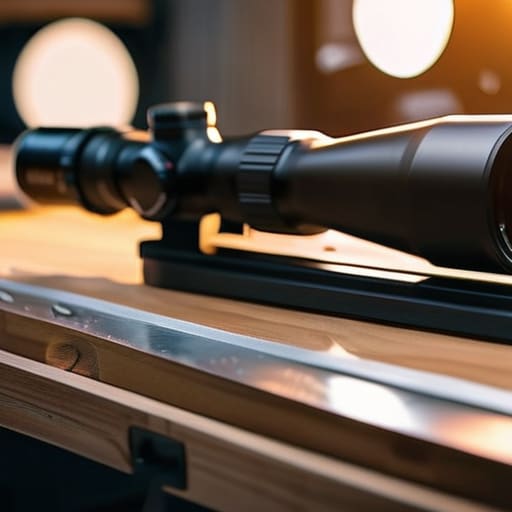
I’ve seen guys spend three thousand dollars on a piece of glass only to toss it into a padded range bag like it’s a pair of old work boots. They think because they bought the high-end stuff, it’s somehow immune to the environment, but moisture and temperature swings don’t care about your bank account. I remember a guy at the club last summer who spent twenty minutes cursing a fogged-up lens during a long-range session, only to realize he’d been leaving his gear in a humid trunk for three weeks straight. If you don’t actually understand how to store optics and accessories with a bit of intention, you aren’t protecting an investment; you’re just delaying the inevitable degradation.
I’m not here to sell you on some overpriced, pressurized tactical case that promises to defy the laws of physics. My goal is to walk you through the unglamorous, practical habits that keep your gear functional for the long haul. We’re going to talk about humidity control, proper mounting precautions, and the simple, steady routines that ensure your equipment is ready when you are.
Protecting Your Glass the Truth About Moisture Control
Most folks think once they’ve spent a grand or two on a decent piece of glass, the job is done. But if you’re leaving your scope sitting in a damp gun safe or a humid basement, you’re essentially inviting trouble. The real enemy isn’t a dropped rifle; it’s the invisible stuff. Without proper moisture control for optical equipment, you’re looking at the slow, creeping death of preventing lens fungus. Once those spores take root between the lens elements, you aren’t just looking at a cleaning job—you’re looking at a permanent, hazy ruin that no amount of expensive solution can fix.
I always tell my students that a high-end case is only as good as what’s inside it. If you’re using protective hard cases, don’t just throw your gear in there and seal the lid. You need to be intentional about desiccant usage for lenses. Throw a few rechargeable silica packets in there to soak up whatever humidity got trapped during transit. It’s a small, unglamorous step, but it’s the difference between a clear view on a cold morning and a blurred mess that makes you doubt your own aim.
Hard Cases and the Myth of Throw in Storage
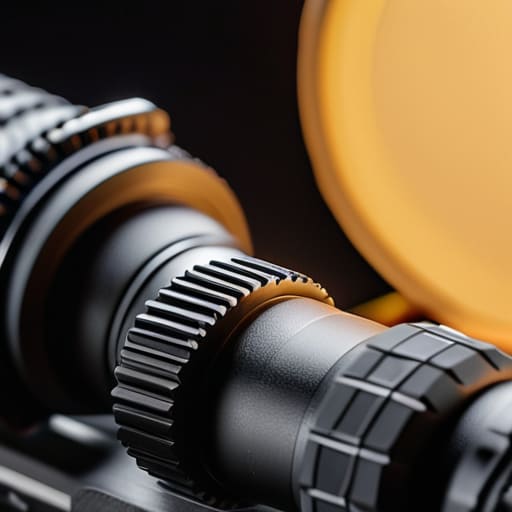
I’ve seen too many folks treat a $1,500 variable power scope like it’s a pair of sunglasses, tossing it into a padded backpack or a loose-fitting soft case and calling it a day. The problem is that soft bags offer zero structural defense. If you drop that bag or a heavy piece of gear shifts inside, you aren’t just looking at a scratched housing; you’re looking at internal misalignment. I always tell my students that protective hard cases are the baseline, not an optional luxury. If it isn’t in a case that can take a hit without transferring that energy to the glass, it isn’t truly stored.
But even a rugged case isn’t a magic shield. A common mistake is thinking a sealed case is a vacuum. If you trap humid air inside a hard case and latch it tight, you’ve essentially built a tiny, pressurized greenhouse. This is exactly how you end up preventing lens fungus from actually working—by creating the perfect environment for it to bloom. You need to pair those hard cases with consistent desiccant usage to pull that trapped moisture out. A case without a dry way to manage the air inside is just a coffin for your gear.
Five Habits to Keep Your Gear from Turning into Junk
- Stop using your cleaning cloths as general-purpose dusters; if you’re wiping down a lens with a rag that’s been sitting in a greasy tool drawer, you aren’t cleaning it, you’re scratching it.
- Treat your electronic accessories like they’re made of glass, because they basically are; don’t just toss a wireless rangefinder into a bag with your heavy brass and hope for the best.
- Get a dedicated desiccant kit for your storage bins; if you aren’t actively pulling moisture out of the air in your gear box, you’re just providing a nice, humid home for fungus to grow inside your lenses.
- Label your accessory cases by function, not just by size; I’ve seen too many folks digging through a pile of disorganized bags at the range, accidentally grabbing a pouch of cleaning solvents when they actually needed their spare battery kit.
- Check your seals more often than you think you need to; if you’re using a waterproof case, make a habit of inspecting that O-ring every few months, because a single grain of sand is all it takes to turn a “dry” case into a bucket of water.
The Bottom Line on Gear Longevity
Stop treating your optics like ruggedized tools; they’re precision instruments, and if you aren’t managing the humidity in your storage space, you’re just waiting for fungus to eat your coatings.
A hard case is only as good as the desiccant packs inside it—don’t just throw a case in the truck and assume your gear is safe from the condensation cycle.
The real work happens in the quiet moments between range days, so make a habit of checking your seals and your storage environment before you actually need that glass to perform.
The Discipline of the Dry Box
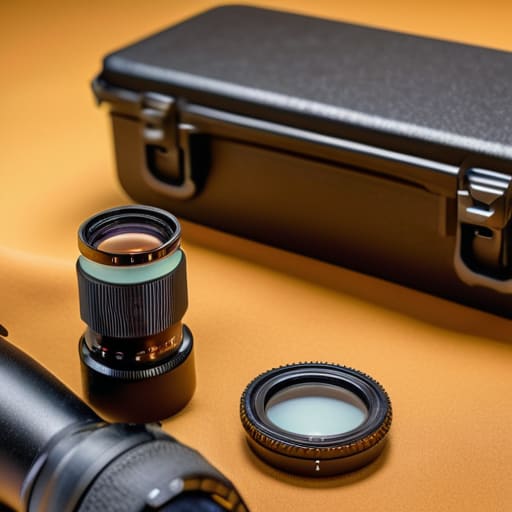
At the end of the day, it comes down to the same things I tell the new folks on the Saturday morning line: consistency beats intensity every time. You don’t need a laboratory-grade climate control system to keep your gear in shape, but you do need to stop treating your optics like they’re indestructible. Whether it’s keeping your silica packets fresh, choosing a hard case over a flimsy soft bag, or simply making sure you aren’t leaving a high-end scope in a damp trunk, these small choices matter. If you manage the moisture and the physical impact, you won’t find yourself staring at a clouded lens or a bumped zero when it actually counts.
I’ve spent twenty years watching people focus entirely on the shot, only to realize later that their equipment failed them because they neglected the unglamorous side of the sport. Proper storage isn’t about being obsessive; it’s about respecting the tools that allow you to do what you love. When you take those extra few minutes to check your gear and secure your accessories, you aren’t just protecting an investment—you’re building a foundation of reliability. Get the maintenance right, keep your habits steady, and the shooting will take care of itself.
Frequently Asked Questions
Is it actually worth spending the money on a dedicated electronic dehumidifier, or can I just get by with some silica gel packets in my range bag?
Look, silica packets are fine for a range bag, but they aren’t a solution for a safe. They’re a band-aid. If you’ve got a collection of glass or a few decent rifles sitting in a metal box in a basement, those little packets will saturate and quit before you even realize it. If you’re serious about protecting your investment, get a dedicated dehumidifier. It’s about maintaining a constant environment, not just chasing the moisture away for an hour.
How often should I be checking my optic mounts and rings for any signs of loosening or corrosion if I keep them in a long-term storage case?
If you’re tucked away in long-term storage, I’d say give your mounts a once-over every six months. It’s not just about checking if a screw has backed out—though that happens more than people admit—it’s about looking for that fine white powder of corrosion in the crevices. Even in a case, humidity finds a way. Take a moment to check the torque and look for any signs of oxidation. Better to find it now than when you’re zeroing in.
If I'm storing a rifle with a mounted scope for the off-season, should I leave the bolt open or closed to prevent any issues with the internal components?
Leave the bolt open. If you’re putting that rifle away for the season, you want the chamber empty and the bolt pulled back. It’s not just about being safe—though being safe is the point—it’s about airflow. Leaving the action open helps prevent moisture from getting trapped in the receiver and sitting against the chamber or the bolt face. Keep it open, keep it dry, and you won’t be fighting rust come spring.




