I’ve spent twenty years watching people make mistakes on the range, but some of the biggest blunders I see don’t happen under the bright lights of a shooting line; they happen in a parking lot. I once saw a guy—smart enough, worked a decent job—get his entire life turned upside down because he thought a simple glove box was a “secure location.” He wasn’t trying to be reckless, he just didn’t realize that knowing how to store a firearm in a vehicle legally is a moving target that changes the second you cross a state line. You don’t need a tactical, armored trunk or some overpriced, high-tech biometric safe to stay compliant, but you do need to stop guessing.
I’m not here to sell you on fancy gear or give you a legal lecture that sounds like a textbook. What I’m going to do is walk you through the practical reality of transport—the kind of stuff you only learn after you’ve seen what happens when things go sideways. We’re going to talk about the actual habits of securing your gear, from lockboxes to placement, so you can focus on the range instead of worrying about a roadside inspection.
Navigating the Maze of State Specific Gun Storage Regulations
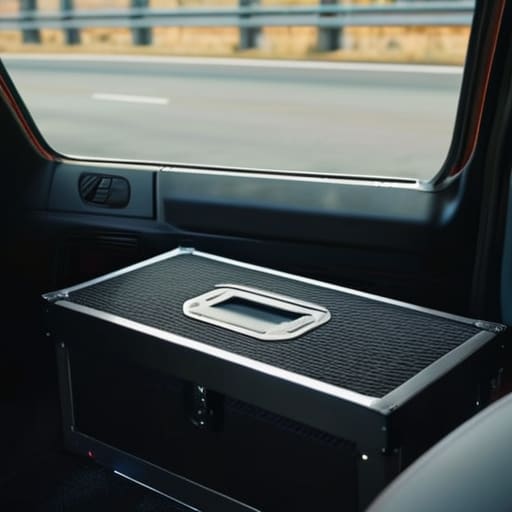
Here’s the thing about state specific gun storage regulations: they aren’t a single rulebook, they’re a patchwork quilt of contradictions. I’ve seen guys drive twenty miles across a state line only to find themselves in a completely different legal reality. In one county, having a rifle in the backseat might be fine if it’s in a case; in the next, you might be looking at a felony because you didn’t have a dedicated firearm lockbox for cars. You can’t afford to guess on this.
I tell my students that ignorance of the law isn’t a defense—it’s just a fast track to a courtroom. You need to do more than just glance at a summary online. Look up the specific statutes for the towns you’re actually driving through. Pay close attention to how local authorities define “concealed” versus “transporting.” If you’re moving between states, treat it like you’re crossing a border into a foreign country. Always verify the local requirements before you put the key in the ignition. It’s better to be overly cautious and a little inconvenienced than to be wrong when a trooper asks to see what’s in your trunk.
Legal Firearm Transport Tips for the Unprepared Driver
Look, I’ve seen plenty of folks get caught in a bad spot not because they were trying to be shady, but because they were just plain lazy. If you’re driving through areas where the laws shift every time you cross a county line, you can’t afford to be casual about your setup. I always tell my students that complacency is the precursor to a mistake. If you’re moving between states with different concealed carry vehicle laws, your “standard” way of doing things might suddenly become a felony.
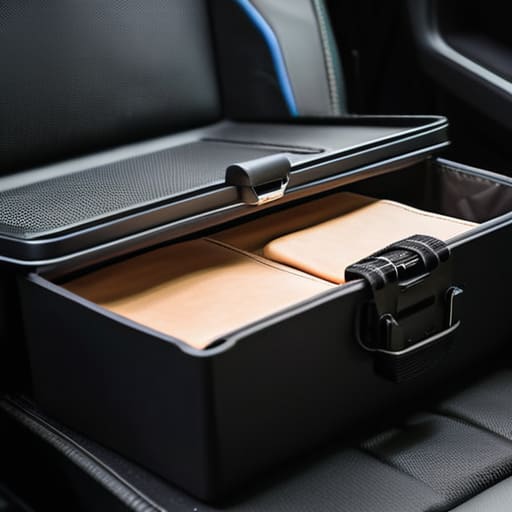
Don’t just throw a case in the backseat and hope nobody notices. If you want to sleep better at night, invest in a decent firearm lockbox for cars. It’s one of those unglamorous habits that separates the prepared from the lucky. Whether you’re securing firearms in the trunk or tucked away in a center console, the goal is the same: make sure that if a stranger—or a well-meaning officer—looks into your vehicle, they see someone who respects the tool and the law. Treat your transport like a procedure, not an afterthought.
Five Ways to Keep Your Gear Secure and Your Record Clean
- Lock it up, even for a quick stop. I’ve seen too many folks leave a case on the backseat while they run into a gas station for a coffee, thinking they’ll only be a minute. That minute is all it takes for a situation to go sideways. If it’s in the vehicle, it needs to be locked in a hard case or a dedicated vehicle safe.
- Keep your ammo and your firearm in separate compartments. If you’re using a lockbox, don’t just throw a box of loose rounds in there with the handgun. Keeping the components of a loaded weapon apart is a common-sense move that helps satisfy the “unloaded” requirement in many jurisdictions.
- Out of sight, out of mind. If you have to transport a firearm in a way that isn’t locked in a safe—check your local laws first—keep it in a closed container in the trunk. A gun sitting on a passenger seat is an invitation for trouble, both legally and from anyone looking through your window.
- Don’t forget the paperwork. If you’re traveling through states where you don’t live, keep a folder in your glove box with your ID, any necessary permits, and a printout of the local transport laws. Don’t rely on a cop’s memory or their mood; rely on your own preparation.
- The “Check Twice” rule. Before you even turn the key, do a physical walkthrough of your storage. Is the case latched? Is the cable through the seat frame? Is the ammo tucked away? I count the times a new shooter checks their chamber; I suggest you count the times you check your locks.
The Bottom Line Before You Pull Out of the Driveway
Don’t rely on “common sense” when it comes to state laws; what’s legal in one county might get you a felony charge in the next, so check the local statutes before you start the engine.
Treat your vehicle storage like you treat your range gear—if it isn’t locked, secured, and out of plain sight, you’re asking for a situation that no amount of “accidental” explanation will fix.
Make the check a habit, not an afterthought; verifying your storage setup every single time you load the car is the only way to ensure a momentary lapse doesn’t turn into a permanent legal headache.
The Final Check
At the end of the day, there isn’t a single magic trick that makes you bulletproof against a legal misunderstanding. It comes down to the basics we’ve talked about: knowing your specific state’s stance on locked containers, keeping your gear out of plain sight, and ensuring your paperwork is as organized as your cleaning kit. You can’t afford to be the person who assumes “close enough” is good enough when a deputy is looking through your window. Treat your vehicle storage with the same discipline you use when clearing a malfunction on the range. If you aren’t verifying that your case is latched and your handgun is truly out of view, you aren’t finished with your pre-trip inspection.
I’ve spent twenty years watching people rush through their routines, and that’s usually when the trouble starts. Most folks think safety is just about what happens at the firing line, but real responsibility is what you do when no one is watching. When you take those extra thirty seconds to double-check your lock and stow your gear properly, you aren’t just following a law; you are protecting your lifestyle. Do the unglamorous work now so you don’t have to deal with the consequences later. Get the small habits right, and the rest of your time in this sport will be a whole lot smoother.
Frequently Asked Questions
If I'm traveling through multiple states on a road trip, how do I know which set of storage laws I actually need to follow?
The short answer is: you follow the strictest rule of whichever state you’re currently sitting in. If you’re crossing from a state where you can keep a loaded handgun in the glovebox into one where that’s a felony, you need to have that piece locked up before you hit the state line. Don’t wait until you see the sign. Treat every border like a new set of rules. Check the local statutes before you turn the key.
Does a locked glove box or center console count as "secure storage" under most state laws, or do I need a dedicated safe?
Look, I’ve seen plenty of folks think a locked glove box is the gold standard. In some states, it might technically pass, but you’re playing a dangerous game. Those plastic latches aren’t built to stop a determined thief, and a judge might not call it “secure” if things go sideways. If you want to sleep at night and stay on the right side of the law, get a dedicated vehicle safe. Don’t leave your legality to a flimsy plastic clip.
What happens if I'm pulled over for a minor traffic stop—should I keep the firearm in the trunk or under the seat to avoid looking suspicious?
Look, if you’re pulled over, the goal isn’t to play hide-and-seek with a cop. If you’ve got a firearm in the car, keep it in the trunk or a locked case, out of reach. Tucking it under the seat is a mistake; it looks like you’re trying to hide something, and that’s exactly how a routine stop turns into a felony investigation. Keep it secured, keep it out of sight, and stay calm.




