I’ve spent twenty years standing on the firing line, and if there’s one thing I can count faster than rounds through a magazine, it’s the number of shooters who spend three hundred dollars on “tactical” pouches only to realize they forgot a basic cleaning patch or a spare spring. You don’t need a specialized, modular system designed by a marketing team to be successful; you just need to know how to pack a range bag for a match so that you aren’t digging through a dark abyss of gear while the timer is running. I’ve watched plenty of guys lose their focus because they were too busy hunting for a tool that should have been right in their hand.
I’m not here to sell you on the latest gear craze or tell you that more equipment equals better shooting. What I’m going to give you is the unvarnished reality of what actually matters when you’re sitting in the staging area. We’re going to walk through a methodical, logical way to organize your kit—focusing on the small, unglamorous things like maintenance tools and spare parts that keep your equipment running when the heat is on. If you get the organization right, you can stop worrying about your bag and start focusing on your fundamentals.
Competition Shooting Gear Essentials You Cant Afford to Forget
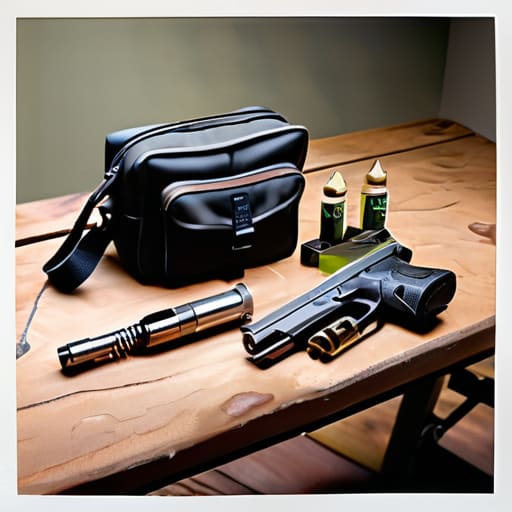
When you’re standing on the line and the timer goes off, the last thing you want to be thinking about is whether you grabbed your extra mags or your specific tool for a loose optic screw. I’ve seen plenty of shooters lose their focus because they were digging through a junk drawer of a bag looking for a single hex key. Beyond your primary firearm, you need to treat your firearm maintenance kit for matches as a non-negotiable part of your setup. This isn’t just about cleaning; it’s about being able to fix a problem before it becomes a disqualification. I always keep a small kit with a basic punch set, some high-quality oil, and a few extra springs tucked into a dedicated pocket.
You also need to get serious about your spare ammunition management. Don’t just toss loose rounds into a pouch and hope for the best; use dedicated, hard-shell cases that keep your brass clean and your primers uncrushed. I’ve watched people fumble with loose boxes while the stage is waiting, and it’s a bad look. Group your gear by function—ammo in one spot, tools in another, and your hearing/eye protection in a third. If you have to hunt for it, you haven’t organized it well enough.
Spare Ammunition Management Without the Messy Fumble
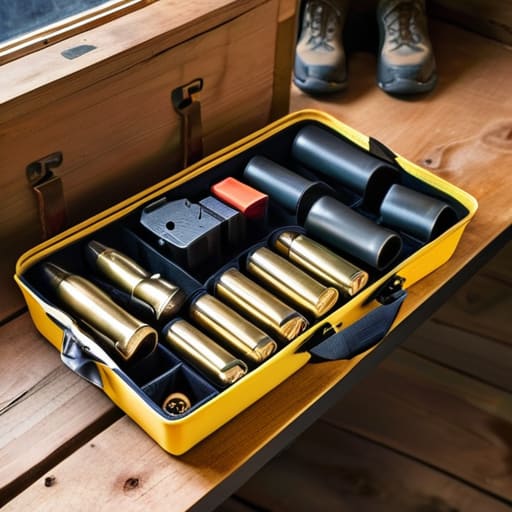
There is nothing quite like the sound of a dry fire in the middle of a stage to make a shooter’s stomach drop. I’ve watched plenty of folks scramble through a disorganized bag, tossing loose rounds around like they’re looking for lost change, only to find they’re missing a single box of match-grade ammo when the timer starts. Efficient spare ammunition management isn’t about having a mountain of brass; it’s about having it accessible and, more importantly, organized.
I always tell my students to ditch the loose piles. If you aren’t using dedicated ammo cans or even simple, sturdy plastic organizers, you’re just inviting a mess. Keep your extra boxes in a dedicated compartment so you aren’t digging past your cleaning supplies to find your mags. Part of a solid match day preparation checklist should include verifying that your spare rounds are seated properly in their containers and that your magazines are loaded and ready to go. If you spend your time fumbling with loose cartridges, you aren’t focusing on your fundamentals, and that is exactly when mistakes happen.
The Small Things That Stop Big Problems
- Pack your cleaning kit in a separate, dedicated pouch. I’ve seen too many shooters digging through a mountain of brass and magazines just to find a single bore snake when their rifle starts fouling halfway through a stage.
- Keep a small, heavy-duty multi-tool in a spot you can reach without looking. If a mounting screw vibrates loose on your optic or a grip panel comes loose, you want to fix it in thirty seconds, not spend the rest of the match squinting at a loose part.
- Don’t forget a dedicated pouch for your ear protection and eye pro. If you’re fumbling with your glasses every time you need to wipe sweat out of your eyes, you’re losing your focus on the target.
- Bring more patches and solvent than you think you’ll need. It’s better to have a surplus of cleaning supplies sitting at the bottom of your bag than to realize you’re out of oil when your bolt starts feeling gritty.
- Label your magazines or use color-coded pouches if you run different grain weights. You don’t want to be standing on the line, second guessing whether that mag is your competition load or your practice stuff.
The Bottom Line Before You Hit the Line
Pack the night before so you aren’t digging through a black hole of loose gear while the match director is looking at you.
Treat your cleaning kit and spare parts with the same respect as your primary firearm; a jammed action is usually a maintenance problem, not a luck problem.
Organization isn’t about being fancy; it’s about making sure your hands are doing the shooting, not hunting for a single forgotten magazine.
The Night Before the Match
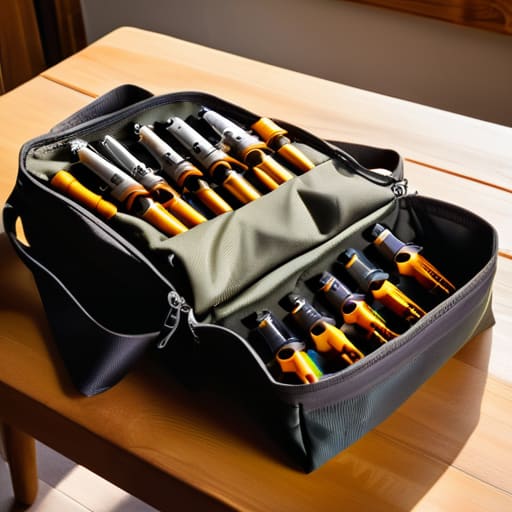
At the end of the day, a well-packed bag is just a collection of small, disciplined choices. You’ve looked at your essentials, you’ve figured out how to keep your ammo from becoming a tangled mess in the bottom of a pouch, and you’ve made sure your cleaning kit is actually ready for use. If you do this right, you aren’t just organizing gear; you are eliminating the friction that turns a good match into a frustrating one. When you aren’t hunting for a specific hex key or a spare magazine halfway through a stage, you can keep your head in the game where it belongs. Preparation is a quiet process, and it happens in your living room long before you ever step onto the firing line.
I’ve spent twenty years watching shooters win matches with less talent than the guy who lost because he couldn’t find his ear protection. Shooting is a sport of precision, and that precision needs to start with your habits. If you treat your gear with respect and take the time to manage it properly, the sport starts to feel less like a scramble and more like a craft. Don’t aim for perfection, just aim to be consistent in your routines. Get your bag set the night before, check your gear twice, and then let the shooting take care of itself.
Frequently Asked Questions
How much extra cleaning gear should I actually carry if I'm only there for a single day of shooting?
Don’t go overboard with a full field kit, but don’t just bring a rag, either. For a single day, you need the basics to keep things running: a bore snake or a few cleaning rods, some patches, and a dedicated solvent. If your gun starts fouling halfway through a stage, you want to be able to clear it then, not wait until you’re back in the garage. Keep it light, but keep it functional.
Is there a better way to organize my mags so I'm not digging through a bottomless pit of loose gear between stages?
Stop tossing them in a pile. I’ve seen too many shooters fumbling with loose mags while the timer is running. Get yourself some dedicated magazine pouches or a slim organizer that sits right on top of your kit. If you’re using a larger bag, use small, clear mesh pouches. You want to be able to reach in, grab exactly what you need by feel, and get back to the line without looking down.
What's the best way to pack my ear and eye protection so they don't get crushed or scratched in a crowded bag?
Don’t just toss your muffs and glasses into the bottom of the bag and hope for the best. I’ve seen too many folks pull out scratched lenses or cracked ear cups halfway through a stage. Put your eye pro in a hard case, and if you’re using electronic muffs, keep them in their dedicated pouch. Ideally, nestle them in a side pocket or a top compartment where they aren’t being crushed by your heavy mags.




