
I’ve spent twenty years watching folks walk onto my line, and if there’s one thing that gets under my skin, it’s the way people try to fix a shaky shot by buying a three-hundred-dollar specialized shooting belt or some high-tech ergonomic brace. They think stability is something you purchase, when in reality, most people are just fighting their own biology. I’ve seen shooters with top-tier gear pull groups wide because they haven’t even grasped the basics of how to build a stable position standing. You can have the most expensive rifle in the county, but if your foundation is built on shifting weight and nervous feet, you’re just throwing money downrange.
I’m not here to give you a lecture on fancy stances or the kind of technical jargon that sounds good in a manual but fails in the wind. I want to talk about the unglamorous stuff—the weight distribution, the bone structure, and the subtle muscle tension that actually keeps you steady. We’re going to strip away the hype and focus on the mechanical realities of your body. If you get these fundamentals right, the accuracy will follow, and you won’t have to keep fighting yourself every time you squeeze the trigger.
Finding Your Center of Gravity and Balance
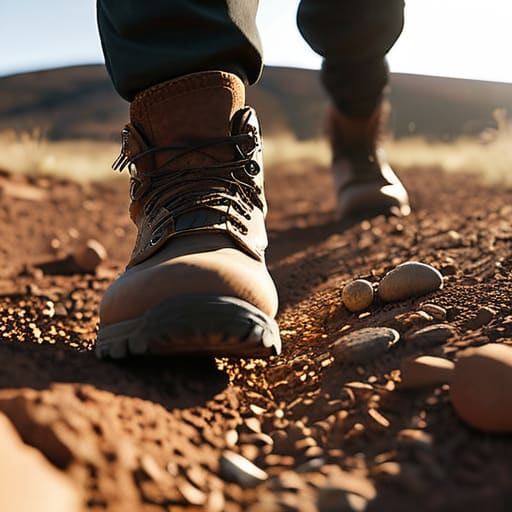
Most folks think a stable shot comes from how tight they grip the rifle, but they’ve got it backward. If your foundation is wobbling, all that grip in the world won’t stop the muzzle from dancing. You have to find your center of gravity and balance before you even think about bringing the gun to your shoulder. I’ve seen plenty of shooters lean too far back on their heels, thinking they’re being “relaxed,” but all they’re doing is setting themselves up to tip over the moment they recoil. You want your weight distributed evenly through the balls of your feet, not hovering on your toes or sinking into your heels.
Once you’ve got your feet set, you need to focus on core engagement for stability. It isn’t about doing crunches in the gym; it’s about that subtle tension in your midsection that keeps your torso from swaying like a tree in a light breeze. If you’re loose in the middle, you’re going to fight yourself every time you squeeze the trigger. Tighten that center just enough to feel connected to the ground, and you’ll find the rifle starts to feel like a part of you rather than something you’re just holding up.
Mastering Weight Distribution on Feet for Control
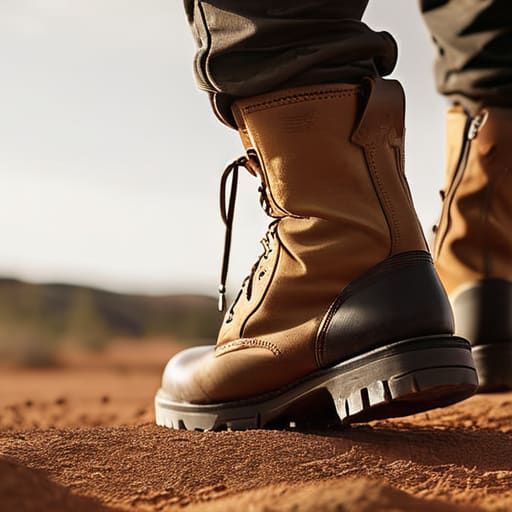
Most folks think standing steady is all about the legs, but they’re missing the point. If you’re leaning too far back on your heels, you’re going to find yourself fighting the rifle instead of shooting it. You want to find that sweet spot where your weight distribution on feet feels neutral. I tell my students to imagine their weight is a fluid being poured into their boots; you want it even, maybe leaning just a hair toward the balls of your feet. If you feel like you’re about to tip backward, you’ve already lost the battle before you even find your sight picture.
Once you’ve got that base set, you have to address the unseen connection between your feet and your torso. You can have the best footwork in the world, but if your upper body is disconnected, you’ll deal with constant movement. This is where core engagement for stability comes into play. It isn’t about sucking in your gut like a bodybuilder; it’s about creating a solid, internal tension that ties your hips to your shoulders. When that connection is tight, you stop being a collection of loose parts and start acting like a single, stable platform.
The Small Adjustments That Keep You From Swaying
- Stop trying to stand like a statue. If you lock your knees straight, you’re going to bounce every time your heart beats or you take a breath. Keep a slight, natural bend in them—just enough to act as shock absorbers for your upper body.
- Watch your eyes, not just your sights. A lot of folks lean their heads forward to hunt for the target, which shifts their whole weight onto their toes. Keep your head level and your spine neutral; let the gun come to your eye, don’t chase the target with your skull.
- Check your elbow’s relationship to your ribs. If your support arm is flared out too wide or tucked too tight, you’re creating a lever that’s working against you. You want that bone-on-bone support to feel like a solid tripod, not a shaky limb.
- Mind the “drift.” I see it every Saturday—shooters start out centered and, by the fifth round, they’ve leaned an inch to the left or right because they’re getting tired. Reset your stance after every single shot. Don’t let a good position turn into a bad one through laziness.
- Breathe through the movement, not against it. You don’t need to hold your breath until you turn blue; that just creates tension and makes you shake. Find that natural pause at the bottom of your exhale, settle into your stance, and take the shot there.
The Fundamentals to Carry Off the Line
Stop chasing the perfect stance and start focusing on your center of gravity; if your weight is leaning back on your heels, you’re fighting your own body instead of the recoil.
Treat your foot placement like a foundation—if your weight distribution isn’t consistent every time you step up, you’re just building a house on sand.
Stability isn’t something you find once and keep; it’s a habit of constant, small adjustments to your balance that you have to check every single time you engage a target.
Bringing It All Together

At the end of the day, a stable standing position isn’t about some complex, acrobatic stance you saw in a magazine; it’s about the fundamentals of how you interact with the ground. You’ve got to find that center of gravity, keep your weight distributed so you aren’t leaning into a fall, and ensure your feet are set in a way that supports your movement rather than fighting it. If you neglect your base, you’re just trying to build a house on sand. Remember, consistency in your foundation is what allows your upper body to remain calm and your sight picture to stay steady when the pressure is on.
I’ve seen plenty of shooters try to muscle their way through a shot by tightening every muscle in their body, and it never ends well for their grouping. Real stability comes from the quiet, repetitive habits you practice when nobody is watching. Don’t get discouraged if your balance feels off at first; it’s a mechanical skill, much like machining a part to tolerance, and it takes time to dial in. Focus on the unseen details of your posture, and I promise you, the actual shooting will start to feel a whole lot more natural. Get the foundation right, and the rest will follow.
Frequently Asked Questions
How do I keep my stance stable if I'm shooting on uneven ground or an incline?
When the ground isn’t level, you can’t rely on your standard muscle memory. If you’re on an incline, you have to adjust your base to compensate for the slope. Generally, you want to keep your weight centered, but you might need to step slightly uphill to keep your spine vertical. Don’t try to fight the hill with your upper body; fight it with your feet. If your feet aren’t set, your shot won’t be either.
Should I be leaning into the rifle, or does that just mess up my balance once the recoil hits?
Leaning into the rifle is a common instinct, but if you’re throwing your whole torso forward, you’re just fighting yourself. You want a slight, controlled forward pressure—think of it as being “active” rather than “leaning.” If you lean too hard, you’ll lose your footing the moment that recoil hits, and you’ll end up stumbling. Keep your weight centered over your feet and let the rifle press into you. Control the gun; don’t let it throw you.
What’s the best way to tell if I’m shifting my weight too much during the actual trigger press?
The easiest way to tell is to watch your groups, but don’t look at the holes—look at the pattern. If your shots are drifting consistently in one direction, or if you see a “stringing” effect where the shots follow a diagonal line, you’re leaning into the recoil or pulling your weight mid-press. Another way? Slow down. If you feel your heels lifting or your toes digging in right as the hammer falls, you’re fighting yourself.




