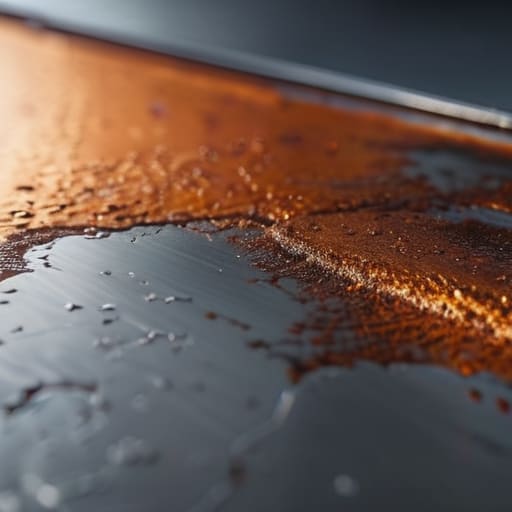
I’ve spent twenty years watching folks walk onto my range with gear they think is “indestructible” just because it’s got a shiny finish. There’s this big, expensive myth floating around that if you buy stainless, you can just set it on a shelf and forget about it. That’s nonsense. I’ve seen plenty of “stainless” components pitted and scarred because a shooter thought they knew how to maintain stainless steel without actually doing the work. If you think a fancy label means you can skip the grit and the grime, you’re eventually going to find yourself fighting your equipment instead of hitting your targets.
I’m not here to sell you a specialized chemical kit or a subscription to some high-end cleaning service. I’m going to show you the unglamorous, honest way to keep your steel range-ready using the same basic principles I use in my own shop. We’re going to talk about the actual habits—the scrubbing, the drying, and the storage—that keep your gear from failing when it really matters. We’ll keep it simple, we’ll keep it effective, and we’ll do it the right way.
Best Cleaners for Stainless Steel and Avoiding Harsh Chemicals
When you’re looking for the best cleaners for stainless steel, your first instinct might be to grab the strongest degreaser on the shelf. Resist that. I’ve seen enough people ruin a good finish by using something too aggressive, thinking more “power” equals more clean. If you use harsh, acidic cleaners, you aren’t just cleaning the surface; you’re stripping away the very layer that helps in preventing stainless steel rust. Stick to mild, pH-neutral soaps or specialized cleaners designed specifically for the metal. If you’re working on something high-end, a simple solution of warm water and a drop of dish soap does more good than most of the fancy stuff in bright bottles.
The real trick to professional-grade stainless steel polishing techniques isn’t about the chemical strength, but the application. Once you’ve scrubbed away the grit, you’ll often find those stubborn streaks left behind. Instead of scrubbing harder with a chemical, try using a microfiber cloth and a tiny bit of mineral oil to help with removing water spots from steel. It fills the microscopic pores and leaves a barrier that keeps moisture from settling in. Keep it simple, keep it gentle, and don’t go looking for trouble in a bottle of heavy-duty solvent.
Removing Water Spots From Steel Before They Set in
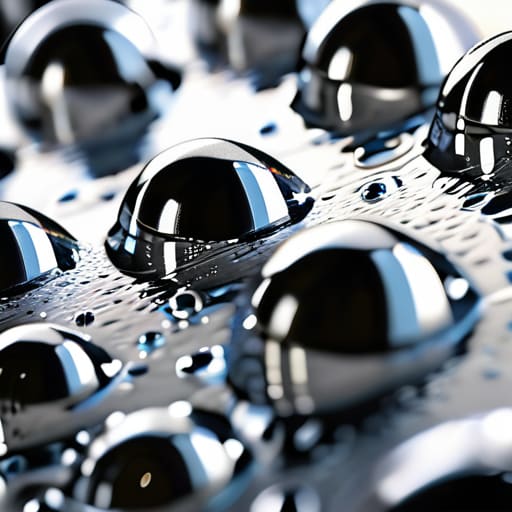
If you’ve spent any time at the range, you know that moisture is the enemy. It doesn’t matter if it’s a humid morning or a spilled water bottle; once those droplets sit on your steel, the clock starts ticking. I’ve seen enough surface pitting to know that removing water spots from steel isn’t just about aesthetics—it’s about preventing long-term damage. When those spots dry, they leave behind mineral deposits that can actually trap moisture against the metal, creating a perfect little environment for corrosion to take hold.
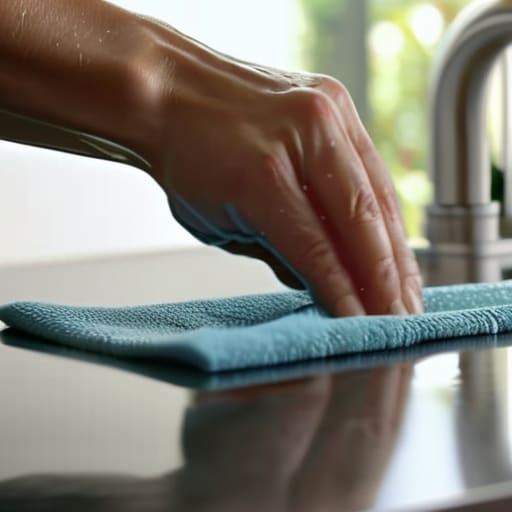
The trick is to never let them dry in the first place. I always keep a clean, dry microfiber cloth in my kit specifically for this. If you notice any moisture after a session or a cleaning, don’t just wipe it away haphazardly. Use a circular motion and follow the grain of the metal. If you’re dealing with stubborn spots that have already started to cloud the finish, you might need to look into specific stainless steel polishing techniques, but most of the time, a quick, thorough dry is all it takes. Catching it early is the only way to ensure you aren’t fighting a losing battle against rust later.
Five Habits for Keeping Your Steel Clean
- Use a soft microfiber cloth every single time you finish a session; leaving salt from your sweat on that surface is just asking for pitting later on.
- Avoid those heavy-duty abrasive pads like you’re scrubbing a kitchen floor, because once you scratch the finish on a good piece of stainless, there’s no going back.
- Always wipe in the direction of the grain, not against it, or you’ll end up with swirl marks that make the whole thing look neglected.
- Keep a dedicated container of high-quality, non-corrosive oil nearby to wipe down the metal after cleaning, just to provide that extra layer of protection against the humidity.
- Don’t wait for the metal to look dull before you act; a quick, proactive wipe-down once a week prevents the buildup that makes deep cleaning a chore.
The Bottom Line on Stainless Maintenance
Don’t let the “stainless” label fool you into thinking it’s invincible; if you leave moisture or salt on that steel, you’re just inviting a fight with corrosion later.
Keep your cleaning kit simple and avoid those heavy-duty, caustic chemicals that strip the finish; you want to clean the surface, not eat into it.
Consistency beats intensity every single time—it is much easier to wipe down a rifle after a range session than it is to try and save a pitted barrel.
The Long View on Maintenance
At the end of the day, maintaining stainless steel isn’t about chasing a mirror finish for a trophy case; it’s about preventing the small, lazy mistakes that lead to permanent damage. We’ve talked about picking the right cleaners so you don’t etch the surface with harsh acids, and we covered why you can’t let those water spots sit long enough to become part of the metal. If you stick to a regular routine of gentle cleaning and immediate drying, you aren’t just keeping things looking decent—you’re ensuring the material stays structurally sound. It’s the difference between a piece of equipment that lasts a lifetime and one that fails you when you’re out in the field.
I’ve spent twenty years watching people treat their gear with either too much reverence or not enough respect at all. The middle ground is where the real shooters live. They understand that discipline in the small things—the cleaning, the drying, the proper storage—is what allows them to focus entirely on the shot when they finally step up to the line. Don’t view maintenance as a chore that takes you away from the sport; view it as the foundation of the sport itself. Get your habits right now, and your gear will never let you down when it actually matters.
Frequently Asked Questions
Is it actually safe to use a standard household cleaner on my rifle, or am I going to mess up the finish?
Short answer? No. Don’t do it. Most household cleaners are designed to eat through grease and grime on a kitchen counter, and they don’t care about the specialized finish on your rifle. You’ll end up stripping the protective coating or causing pitting that you can’t undo. Stick to cleaners meant for firearms or high-quality solvents. It’s better to spend an extra five minutes with the right product than to ruin a piece of steel you rely on.
If I've already seen some pitting or surface rust starting, can I still save the steel with a good cleaning?
If you’re seeing pitting, you’ve already missed the window for a simple wipe-down. Pitting means the corrosion has actually eaten into the metal, creating tiny craters. A good cleaning won’t “fix” those holes, but it can stop the rot from spreading. Scrub it clean, neutralize the area, and get a high-quality oil or wax on there immediately. You aren’t restoring the finish anymore; you’re just trying to stabilize what’s left.
How often do I really need to be doing this—after every single trip to the range, or is once a month enough?
If you’re waiting until once a month, you’re already playing catch-up with the environment. I’ve seen enough pitting on a “well-maintained” rifle to know that salt, humidity, and even your own fingerprints are working against you every second. Don’t be fancy about it, but do it every time you come home from the range. Wipe it down, get the moisture off, and get it stored. Consistency beats a deep clean any day.




