I’ve spent twenty years watching folks spend thousands on high-end locks and fancy biometric scanners, only to realize they’ve essentially bought a very expensive metal box that’ll melt like a candle in a real house fire. It’s a common mistake, and frankly, it’s frustrating to see. Most people walk into a showroom and think a higher price tag automatically means better protection, but that’s just marketing fluff. If you want to actually protect your gear, you have to stop looking at the shiny handles and start learning how to understand fire ratings on safes from a technical standpoint. A heavy door doesn’t mean a thing if the internal insulation can’t hold the temperature steady when the room next door is an oven.
I’m not here to sell you a brand or give you a sales pitch. My goal is to strip away the jargon and show you the actual mechanics of how these ratings work in a real-world scenario. We’re going to look at what those numbers really mean for your documents and your firearms, and more importantly, what they don’t tell you. I’ll give you the straight truth on how to spot a decent rating versus a marketing gimmick, so you can invest with confidence instead of just hoping for the best.
Decoding Ul Fire Rating Standards and the Certifications That Matter
When you’re looking at a spec sheet, you’re going to see a lot of acronyms thrown around like they mean something universal. They don’t. Most people see a sticker and assume they’re covered, but you need to look closer at the UL fire rating standards to see what’s actually being promised. Underwriters Laboratories doesn’t just guess; they put these units through a standardized furnace to see how long they can hold back the heat. But here is the part most folks miss: the rating tells you how long the box stays cool, not necessarily how long your contents stay intact.
You also have to pay attention to the distinction between document protection vs media protection. This is where I see people make their biggest mistakes. A safe rated to protect paper for an hour might be useless for your digital backups or old photographs. Paper can handle a bit of rising heat, but film and thumb drives will cook long before the paper chars. If you aren’t matching your safe’s temperature limits to the specific items you’re storing, you’re just buying an expensive metal box.
How Fire Ratings Are Tested When Nobody Is Watching
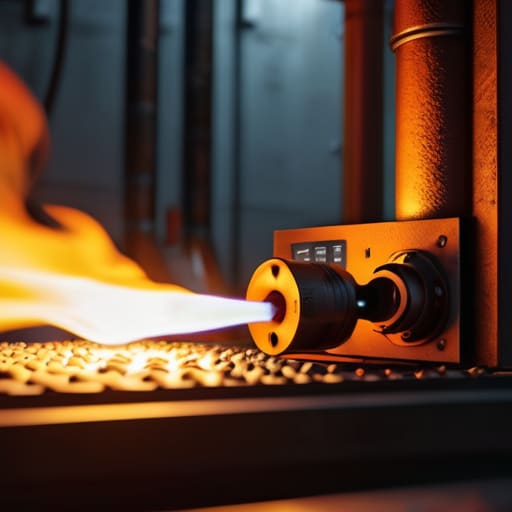
When you see a certificate on a safe, it’s easy to assume it means the box is invincible. But you have to understand how fire ratings are tested to know what you’re actually buying. They don’t just toss a safe into a kitchen fire and see what happens. These tests happen in controlled furnace environments where the temperature is cranked up to specific, punishing levels. The goal isn’t just to see if the steel stays intact; it’s to measure how long the internal temperature stays low enough to prevent what’s inside from reaching its breaking point.
This is where people get tripped up on the difference between document protection vs media protection. A safe rated for paper is designed to keep the interior below a certain temperature—usually around 350 degrees—to keep your deeds and titles from charring. But if you’re putting digital drives or old photographs in there, that rating won’t cut it. Media burns at much lower temperatures. If you don’t match the rating to the contents, you’re just storing a very expensive, very heavy box that won’t save your most important items when things actually go sideways.
Five Things the Brochure Won't Tell You
- Watch out for the “time” trap. A one-hour rating doesn’t mean your gear stays cool for sixty minutes; it means the internal temperature stays below a certain threshold for that long. Once that clock runs out, the inside gets just as hot as the outside, and that’s when your documents turn to ash.
- Check the contents, not just the box. Most ratings are tested with paper, which is a great baseline, but if you’re storing digital media or old film, those things will melt long before a piece of paper even starts to curl. You need a rating specifically meant for the stuff you actually own.
- Don’t ignore the weight. A safe with a high fire rating usually relies on thick, moisture-releasing insulation. If you find a “fireproof” box that you can pick up with one hand, it’s likely a glorified filing cabinet with a sticker on it. Real protection has mass.
- Remember that the door is only half the battle. A safe is only as good as its weakest point, and in a fire, that’s often the seal around the door or the way the latch holds under heat. If the door warps even a fraction of an inch, the fire finds its way in.
- Treat the seal like a piece of precision machinery. If you’re using a safe with a gasket or a specialized seal, keep it clean. Dust, grit, or even a bit of spilled oil can compromise that seal, and a compromised seal turns a fire-rated safe into a very expensive oven.
The Bottom Line on Your Gear
A fire rating isn’t a guarantee your gear survives; it’s a measurement of how long the internal temperature stays below the point where things start melting or combusting.
Don’t get blinded by a high number—a one-hour rating on a cheap safe might not hold up nearly as well as a two-hour rating on a heavy-duty unit.
Always verify the certification with the manufacturer because a label is just ink until you know it’s backed by a standard that actually means something.
Don't Buy the Marketing, Buy the Math
At the end of the day, you have to look past the shiny finish and the heavy-duty-sounding names on the showroom floor. Understanding fire ratings isn’t about memorizing a manual; it’s about knowing that a UL rating tells you exactly how long your gear has to survive when the temperature hits the ceiling. You need to account for the internal humidity that can ruin your optics just as fast as the heat ruins the metal, and you have to realize that a rating is only as good as the environment it sits in. Don’t just take a salesperson’s word for it—verify the certification and make sure the math actually works for your specific needs.
I’ve spent twenty years watching people focus on the wrong things, spending thousands on high-end triggers while leaving their most important tools in a box that wouldn’t last ten minutes in a real kitchen fire. We spend so much time perfecting our stance and our grip, but true preparedness is found in the unglamorous details of storage and protection. If you take the time to do the boring work now—the research, the checking of specs, and the proper maintenance—you aren’t just buying a safe. You are building the discipline of reliability that ensures when the unexpected happens, you aren’t left standing there with nothing but a handful of melted scrap.
Frequently Asked Questions
If a safe is rated for two hours, does that mean my ammo and powder are actually going to be safe inside, or is that rating just for paper documents?
That’s the question that gets most people. The short answer? Most fire ratings are designed for paper. They test how long it takes for the internal temperature to hit a level that chars a document, which is usually around 350 degrees. Ammo and powder are much more sensitive. If you’re storing sensitive primers or propellant, don’t assume a two-hour rating protects them. You need to look for specific ratings or, better yet, keep the powder in a separate, temperature-controlled spot.
How much of a difference does it actually make if I buy a safe with a higher fire rating versus just getting a thicker steel door?
It’s a common mistake to think steel is the same thing as protection. A thicker door might feel more substantial, but steel conducts heat. If you have a heavy steel door with no real fire rating, you’re basically just building a very sturdy oven for your gear. A higher fire rating means there’s actual insulation inside to keep the internal temperature low. Don’t mistake weight for safety; look for the rating.
Can I trust a manufacturer's rating if they aren't using a third-party certification like UL?
Look, I’ve seen plenty of guys buy a safe because the brochure looked impressive, only to find out “manufacturer tested” is a fancy way of saying they did it themselves in a garage. If they aren’t using a third-party cert like UL, you’re essentially taking their word for it. In my experience, when it comes to fire, you don’t want to be the one finding out their math was wrong. Stick to the certs.




