I’ve seen plenty of folks walk onto my line on a Saturday morning with enough gear to outfit a small militia, yet they can’t tell you for certain if their gear is actually secure back at their apartment. There is this misguided idea floating around that you need to drop three thousand dollars on a floor-bolted, biometric safe just to figure out how to store firearms in a rented home. It’s a myth that makes people feel like they have to choose between being responsible and being able to afford their rent. You don’t need a bank vault, but you do need a plan that doesn’t rely on a landlord’s flimsy closet door or a cheap lock that a determined teenager could pop in thirty seconds.
I’m not here to sell you on high-tech gadgets or expensive security gimmicks that’ll be obsolete by next year. What I want to do is walk you through the unseen discipline of secure storage—the kind of practical, low-profile habits that actually work when you don’t own the walls around you. We’re going to talk about real-world solutions for renters, from secondary locking mechanisms to smart placement, focusing on the habits that prevent accidents before they ever happen.
Portable Gun Safes for Apartments Securing the Basics
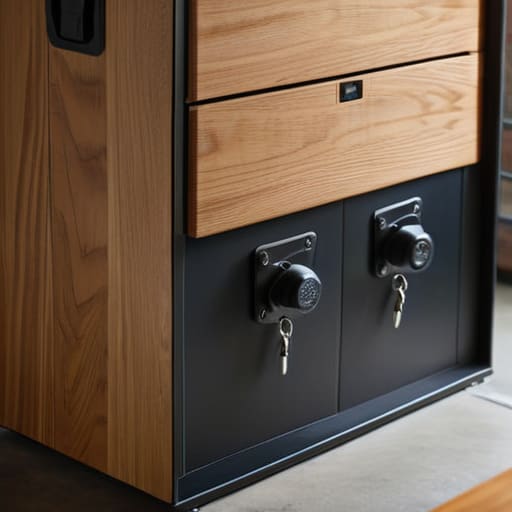
If you can’t bolt a heavy steel cabinet directly into the floorboards, you have to look at portable gun safes for apartments as your primary line of defense. I’ve seen too many folks think a lockbox under the bed is enough, but a thief with ten minutes and a crowbar will have that box open before you’ve even woken up. You want something with enough heft that it can’t be easily snatched, or better yet, something designed with non-permanent security solutions in mind, like heavy-duty steel lockboxes that can be tethered to a piece of furniture that actually weighs something.
Don’t get distracted by the flashy, electronic gadgets that promise biometric access but run on cheap batteries. In my experience, simplicity is what keeps you safe. Look for a solid, mechanical combination or a high-quality key lock. It might not be as “high-tech,” but it won’t fail you when you’re in a hurry. Most importantly, make sure your choice fits the specific constraints of your firearm storage lease agreements. You don’t want to find out your security setup is a violation of your contract after you’ve already spent the money.
Non Permanent Security Solutions That Actually Work
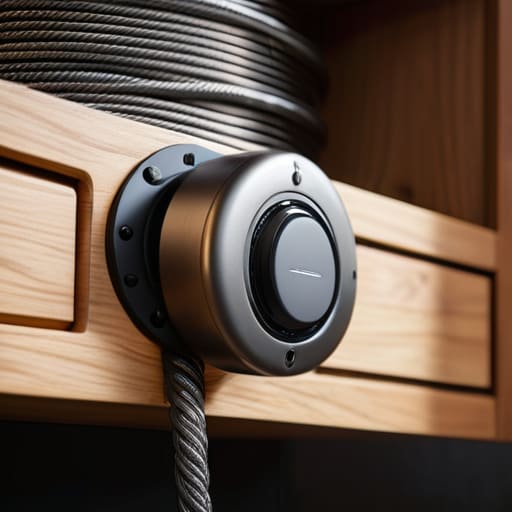
If you can’t drill into the floor to bolt down a heavy steel cabinet, you have to get creative with how you anchor what you do have. I’ve seen too many folks leave a small biometric safe sitting loose on a closet shelf, thinking it’s secure just because it’s locked. If a thief walks in, they aren’t going to pick the lock; they’re just going to pick up the whole box and walk out the door. You need to look into non-permanent security solutions like heavy-duty steel security cables. You can loop a high-tensile cable through the chassis of your safe and around a structural element—like a heavy radiator or a sturdy, built-in wardrobe—that isn’t easily moved.
It’s also worth looking at discreet gun safe options that don’t scream “there is a firearm in here.” I’m talking about lockboxes that look like a standard piece of tech or even a heavy-duty toolbox. The goal is to add layers. If someone breaks in, you want them to have to work for it, not just grab a prize and go. It’s about making the theft more effort than it’s worth.
The Five Habits of a Secure Rental Setup
- Stop relying on a landlord’s flimsy lock; if you can’t bolt a safe to the floor, get a heavy-duty steel lockbox that is too cumbersome for a thief to carry under their arm.
- Hide your storage in plain sight by using “decoy” furniture or heavy wooden chests that don’t scream “firearms inside,” because a thief won’t look twice at a heavy trunk in a corner.
- Keep your ammunition in a separate, locked container from your firearms; even if someone gets into your primary box, you don’t want them having the means to use what they found.
- Treat your rental’s door frame with respect; if you’re using a portable safe, ensure it is tucked into a corner where it can’t be easily tipped or dragged toward an exit.
- Make a habit of the visual check every time you leave the apartment; don’t just assume the lock clicked, go over and verify that your security is actually engaged.
The Bottom Line on Renter Security
You can’t bolt a heavy steel cabinet to a floor that isn’t yours, so you have to make the weight and the lock work twice as hard; if it’s easy to carry, it’s easy to steal.
Security isn’t just about keeping people out; it’s about the habits you practice every time you set a piece of equipment down, because a landlord’s door won’t save you from a lapse in your own discipline.
Don’t get caught up in trying to find a permanent solution that doesn’t exist; focus on high-quality, portable gear that you can take with you when the lease is up, rather than relying on a flimsy closet lock.
The Responsibility Stays With You
At the end of the day, renting a space doesn’t mean you’re renting a pass on responsibility. We’ve talked about using portable safes that can move with you, and we’ve looked at non-permanent ways to add a layer of defense without drilling holes through a landlord’s floor. Whether it’s a heavy-duty lockbox tucked away in a closet or a specialized security cable, the goal is the same: making sure your gear is inaccessible to anyone who doesn’t have a business being near it. It isn’t about building a fortress, it’s about eliminating the easy opportunities for a mistake to happen. You have to bridge the gap between what the apartment provides and what your personal standards require.
I’ve spent twenty years on the firing line watching people realize that safety isn’t a one-time event; it’s a series of small, repetitive choices. Storing your firearms properly in a rental is just another one of those choices. It might feel like an extra chore when you’re tired after work, but those habits are what keep the sport enjoyable and the people around you safe. Don’t wait for a close call to realize your storage was lacking. Build the routine now, so that when you finally move into that house you actually own, the discipline is already part of who you are.
Frequently Asked Questions
If I bolt a heavy safe to the floor, am I going to lose my security deposit when I move out?
Look, I’ve seen plenty of guys try to cut corners on security, but don’t make your landlord the one to pay for it. If you drill into the subfloor or slab without written permission, you’re looking at a deduction for floor repairs, plain and simple. If you must bolt it down, get it in writing first. Otherwise, stick to the heavy, high-quality portable safes we talked about. Protect your gear, but don’t damage the property.
How do I keep my firearms accessible for home defense without leaving them in an unsecured, easy-to-grab spot?
You’re looking for that middle ground between a locked vault and a pile of gear on the nightstand. It’s a fine line. I tell people to look at quick-access biometric safes or heavy-duty trigger locks. They aren’t perfect, but they force a moment of intent. You want a barrier that stops a curious kid or a thief in a hurry, but one you can bypass in seconds when your own adrenaline is spiking.
What’s the best way to handle humidity in a small apartment so my gear doesn't rust while it's locked up?
Locked up doesn’t mean protected from the air. If you’re living in a space where the walls sweat, your steel will too. Don’t just throw a handful of silica packets in there and hope for the best; they’ll saturate in a week and do nothing. Get a rechargeable electronic dehumidifier designed for safes, or at the very least, keep a decent amount of desiccant in a sealed container. Treat the moisture like a slow-motion malfunction.




