I’ve sat on the line for twenty years, and I can tell you right now: most folks think a drifting zero means they need to go out and drop five hundred dollars on a new piece of glass. They start blaming the optics, cursing the manufacturer, and wasting perfectly good ammunition on a problem that isn’t actually there. But after watching enough shooters struggle with the same mechanical failures, I’ve learned that knowing how to diagnose a scope that will not hold zero is usually about looking at the metal, not the lens. It’s rarely a “broken” scope; it’s almost always a mechanical oversight in the mounting or the rifle itself.
In this guide, I’m going to walk you through the actual, unglamorous steps to finding the culprit. We aren’t going to talk about high-level ballistics or fancy software; we are going to talk about torque settings, ring alignment, and the subtle way a loose screw can ruin a weekend. I’ll show you how to systematically rule out the rifle, the mounts, and the glass so you can stop guessing and start shooting. If you want to stop throwing money away on gear you don’t need, let’s get to work.
Guide Overview
Tools & Supplies
- Torque wrench (to ensure consistent screw tension)
- Allen key set (to adjust mounting screws)
- Level (to check mounting alignment)
- Cleaning kit (to remove oil/debris from contact points)
- Degreaser or Isopropyl alcohol (small amount for cleaning)
- Blue Loctite 242 (small amount for securing screws)
Step-by-Step Instructions
- 1. First, you need to rule out the most obvious culprit: your ammunition. I’ve seen plenty of shooters tear their hair out over a “failing” scope when they’re actually just shooting inconsistent, low-grade rounds. If you aren’t using a consistent, high-quality load, you aren’t actually testing your zero; you’re just testing the manufacturing tolerances of your bullets. Grab a box of premium match ammo and see if the groups tighten up.
- 2. Next, check your mounting screws. This is where most of the mechanical failures happen. I want you to take your torque driver and go over every single screw on those rings and the base. If a screw is even a fraction of an inch under-torqued, the recoil from the shot will cause the scope to shift just enough to ruin your point of impact. Don’t just eyeball it; use the actual numbers the manufacturer gave you.
- 3. Take a hard look at your scope rings themselves. If you’re using cheap, soft aluminum rings, they can actually deform under the pressure of the mounting bolts. Look for any signs of uneven contact or “marring” where the ring meets the tube. If the ring isn’t making perfectly even contact around the entire circumference of the scope, it’s going to act like a spring, shifting every time the rifle kicks.
- 4. Inspect the scope tube for any signs of compression or damage. This is a common issue when people get a little too enthusiastic with the torque wrench. If you see any slight discoloration or a physical indentation in the metal of the scope tube, you’ve likely crushed it. Once that tube is compromised, it loses its structural integrity and will never hold a consistent zero again.
- 5. Check the interface between the receiver and the mounting base. Sometimes the problem isn’t the scope at all, but the foundation it sits on. If your rail isn’t seated perfectly flush against the receiver, or if there is debris caught in the mounting grooves, the whole system will move. Clean the receiver thoroughly and ensure the base is absolutely seated before you even think about putting the scope back on.
- 6. Finally, if you’ve checked the hardware and the ammo and you’re still seeing shifts, you might be looking at an internal mechanical failure within the optic itself. This usually means the erector tube is slipping or the internal adjustment mechanisms are worn out. If that’s the case, there isn’t much you can do on the range; it’s time to send it back to the manufacturer for a professional repair.
Chasing Recoil Induced Zero Shift and Mounting Errors
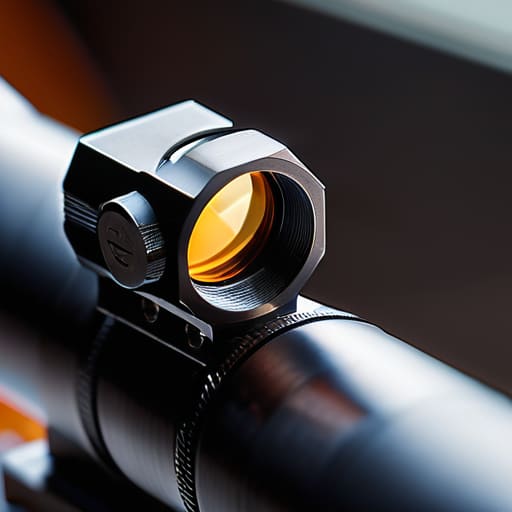
If you’ve ruled out the basics and you’re still seeing your point of impact wander, you’re likely dealing with recoil-induced zero shift. I’ve seen it a hundred times: a shooter gets a beautiful group, then the next one is two inches low. Usually, it isn’t the rifle’s fault; it’s the way the glass is sitting on the steel. If those rings aren’t seated perfectly, or if the mounting screws have vibrated even a fraction of a millimeter loose, that energy from the shot has to go somewhere. It goes into shifting your optic.
Before you start blaming the internals, do yourself a favor and go back to basics with some checking scope ring torque. I don’t care if the rings felt tight when you bought them; heat, cold, and repeated recoil can change things. Look for tiny marks in the finish where the ring might be slightly misaligned, or check for any unevenness in the pressure. If the mounting is solid and you still see movement, then you might be looking at actual riflescope mounting errors or, worse, a mechanical failure inside the turret itself. Don’t guess—verify the mechanical connection first.
Hunting Internal Mechanism Failure and Turret Issues
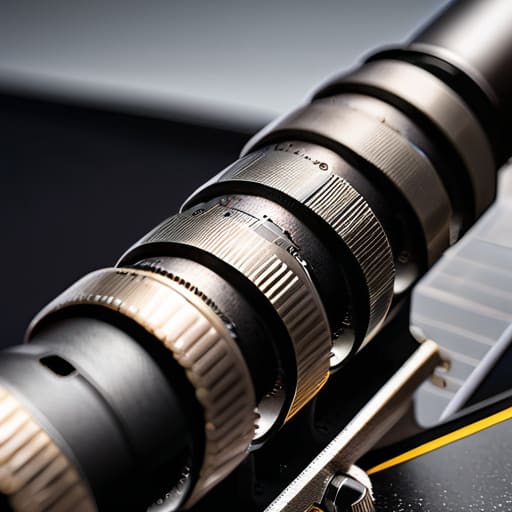
If you’ve ruled out the mounts and the rings, you’re looking at the guts of the thing. Sometimes, the problem isn’t how the scope sits on the rifle, but how the internals are behaving. I’ve seen plenty of folks blame their shooting technique when they’re actually dealing with riflescope internal mechanism failure. It’s a frustrating place to be, because you can’t fix a broken erector spring with a torque wrench. If you turn those turrets and they feel mushy, or if they seem to “jump” rather than click through the graduations, you’ve likely got a mechanical issue inside the housing.
Before you declare the glass dead, do a quick check for scope turret movement issues by tracking your adjustments on paper. Dial it up ten MOA, fire a group, then dial it back and fire again. If the group doesn’t return to where it started, the internal components aren’t tracking linearly. It’s a slow, tedious process, but it’s the only way to be sure. If the internals are slipping, no amount of fine-tuning your breathing or trigger squeeze is going to save your groups.
Five Things to Check Before You Blame the Glass
- Check your torque settings. I’ve seen too many folks tighten their rings with a screwdriver and a prayer, only to wonder why their grouping is opening up after ten rounds. Use a torque wrench and stick to the manufacturer’s specs; consistency is the only way to ensure the scope stays where you put it.
- Inspect the mounting surfaces for debris. If there is a tiny speck of grit or a shaving of metal trapped between your rail and the base, your zero is going to wander. Clean those surfaces down to the bare metal before you ever think about seating a mount.
- Look for play in the turret caps. If you can wiggle the turret with your finger, you’ve got a mechanical problem that no amount of re-zeroing is going to fix. A loose turret means the internal adjustment mechanism isn’t engaging properly, and that’s a conversation you need to have with the manufacturer.
- Verify your eye relief isn’t shifting. If you’re getting a ring of light or a dark shadow moving in your field of view, you’re likely moving your head or the scope itself is shifting slightly in the rings. If the eye box isn’t consistent, your point of aim will never be consistent.
- Watch for heat soak and environmental shifts. If you’re shooting a long string of heavy rounds in the midday sun, the barrel is going to heat up and move your point of impact. Don’t go chasing a “drifting zero” when what you’re actually seeing is just a hot barrel changing its harmonics.
The Bottom Line on Keeping Your Zero
Stop chasing your groups and start checking your hardware; if your mounts aren’t torqued to spec or your rings aren’t seated true, no amount of windage adjustment is going to fix a mechanical failure.
Treat your optics like any other precision tool in the shop—if the internals are failing or the turrets feel mushy, stop shooting and get it serviced before you burn through a box of good ammo for nothing.
Most “bad” shooting is actually just a neglected habit, so make it a rule to inspect your mounting screws and check for any play in the scope every time you head out to the line.
The Long View on Precision
At the end of the day, troubleshooting a wandering zero isn’t about finding one magic fix; it’s about a systematic elimination of variables. You start with the basics—checking your torque settings and ensuring your mounts aren’t slipping under recoil—before you move into the more complex territory of internal turret failures or thermal drift. If you’ve ruled out the mechanical connection between the rifle and the glass, you’re left looking at the scope itself. Remember, a scope that won’t hold zero is rarely a mystery; it is almost always a mechanical failure that you simply haven’t isolated yet. Don’t let yourself get frustrated and start throwing money at new optics until you have exhausted the fundamentals of your current setup.
I’ve spent twenty years on the line, and I can tell you that the shooters who progress the fastest aren’t necessarily the ones with the most expensive gear. They are the ones who treat their equipment with a certain level of disciplined respect. They understand that a rifle is a system of parts that all have to work in harmony. When you take the time to diagnose these issues properly, you aren’t just fixing a piece of glass; you are building a foundation of reliability. Get the unglamorous work of maintenance and troubleshooting right, and the actual shooting becomes the easy part.
Frequently Asked Questions
If I’ve checked my torque settings and mounts and everything seems solid, could the actual barrel or action be the reason my zero is shifting?
It’s possible, though it’s usually a harder fix than just tightening a screw. If your mounts are solid, you might be looking at barrel harmonics or a loose action screw. If those screws aren’t torqued consistently, the action can shift slightly under recoil. Also, check for heat soak; if the barrel is getting too hot too fast, that point of impact is going to wander. It’s less about the metal being bad and more about the stability being compromised.
Is there a way to tell if the problem is a mechanical failure inside the scope versus just a bad batch of ammunition?
The quickest way to tell is to stop shooting that ammo and switch to a known, consistent brand. If the groups tighten up immediately, you’ve got a bad batch of brass or inconsistent powder charges. If the rifle is still wandering even with high-quality match ammo, you’re looking at a mechanical issue. Don’t go chasing shadows in your optics when the problem is actually sitting in your ammo box. Test the variable first.
How often should I be checking my scope's internal tracking if I'm shooting high-recoil calibers?
If you’re running something heavy like a .300 Win Mag or a magnum hunting rifle, don’t wait for the groups to open up to start questioning your glass. I tell people to check their tracking every time they switch up their zero or after a heavy session of long-range work. If you’re dialing, verify those clicks against your spotting scope frequently. It’s better to catch a mechanical slip early than to spend a whole afternoon chasing a ghost.




