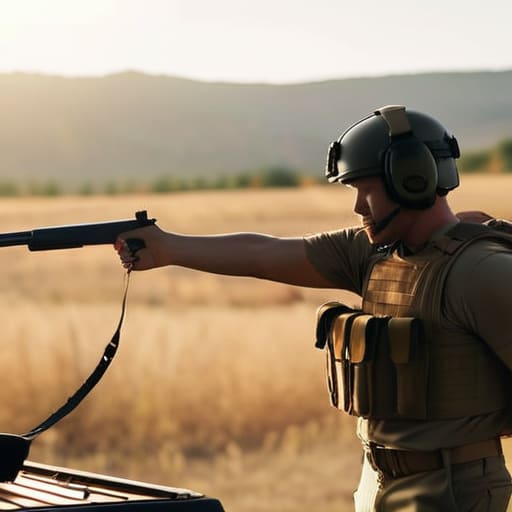
I was standing on the line last July, the heat shimmering off the berm, when I saw a guy notice a cracked target stand. He looked at it, looked at me, and then just kept shooting like nothing was wrong. He thought he was being polite by not making a scene, but that’s exactly how a heavy steel plate ends up traveling toward someone’s face. Most people think knowing how to report an unsafe condition at a range requires a formal written complaint or a long, awkward meeting with the club president, but that’s just not how it works in the real world.
I’m not here to give you a lecture on club bylaws or some bureaucratic manual. I’m going to tell you the straight truth about what to do when something looks wrong, whether it’s a faulty lane or a shooter who’s lost their grip on the basics. We’re going to talk about the practical, unglamorous steps you can take to keep the line moving safely without feeling like you’re being a nuisance. My goal is to make sure you have the discipline to speak up the moment you see a hazard, because at the end of the day, silence is what causes the accidents.
The Unseen Danger Identifying Shooting Range Hazards Early

Most people think a hazard is a loaded gun pointed the wrong way or someone acting reckless. Those are obvious, sure, but the real trouble usually hides in the things we stop noticing because they’ve been there for years. I’m talking about the frayed wire on a target carrier, a buildup of brass that’s turned into a slip hazard near the firing line, or a backstop that looks a little more eroded than it did last season. Identifying shooting range hazards isn’t just about looking for the big, loud mistakes; it’s about noticing the small, quiet things that are slowly breaking down the environment.
When you’re out there, your eyes should be scanning more than just your own sights. You’re looking for anything that deviates from standard firearms range safety procedures. Maybe a lane divider is loose, or a piece of equipment looks like it’s about to fail. If something feels “off,” it usually is. Don’t wait for a malfunction to prove you were right. If you see a setup that looks sketchy, don’t just walk past it—that’s how a minor maintenance issue turns into a major incident.
Mastering Emergency Stop Protocols at Shooting Ranges Immediately
Now, knowing what a hazard looks like is one thing, but knowing how to freeze the line is another. Most people think an emergency stop is something that only happens during a massive malfunction or a medical crisis. In reality, it’s often much smaller—a shooter forgetting to engage a safety, a child wandering too close to the berm, or someone simply losing their grip on a firearm. When you see something that breaks the rhythm of safe operation, you don’t wait for permission. You call “Cease Fire” loud and clear.
Following proper emergency stop protocols at shooting ranges isn’t about being a nuisance or interrupting someone’s session; it’s about immediate mitigation. Once that command is given, every single person on the line needs to follow the same sequence: muzzle down, finger off the trigger, and action open. I’ve spent twenty years watching people hesitate because they didn’t want to “embarrass” a fellow shooter, but hesitation is where the accidents live. If you see a breach in protocol, you stop the clock. Period. Once the line is cold and the situation is under control, that’s when the range safety officer duties take over to sort out the fix.
Don't Walk Past It: Five Ways to Handle a Hazard
- Speak up right then and there. If you see a cracked berm, a loose target stand, or someone acting a little too loose with their muzzle, don’t wait for someone else to notice. Say something immediately. It’s better to have a brief, awkward conversation than a long, painful investigation.
- Use the “Ceasefire” command if it’s urgent. If you see something that is an immediate threat to life—like a person pointing a loaded gun in the wrong direction—don’t worry about being polite or following a chain of command. Shout “Ceasefire” loud and clear. Everything stops until the situation is controlled.
- Find the RSO on duty. Every range has a Range Safety Officer, and that’s what we’re here for. Once the immediate danger is paused, walk straight to the RSO. Don’t try to fix a mechanical issue or a structural problem yourself; let the person with the certification and the responsibility handle the heavy lifting.
- Be specific, not vague. When you report the issue, don’t just say “something’s wrong over there.” Tell us exactly what it is: “The backstop at lane four looks washed out,” or “The holster on the guy in the blue shirt is failing.” The more detail you give, the faster we can fix it properly.
- Follow through until it’s resolved. Reporting isn’t just about making noise; it’s about making sure the problem actually goes away. Before you head back to your own lane or pack up to leave, make sure the RSO has acknowledged the hazard and that the area is actually safe to use again.
The Bottom Line on Range Safety
If something looks wrong—whether it’s a cracked target stand or a shooter acting erratic—don’t assume someone else has seen it. Speak up immediately.
Reporting a hazard isn’t about being a nuisance or “tattling”; it’s about maintaining the discipline that keeps everyone on the line safe.
Know the chain of command. When you spot a problem, tell the Range Safety Officer right away so the issue can be handled before it becomes an incident.
Keeping the Line Safe
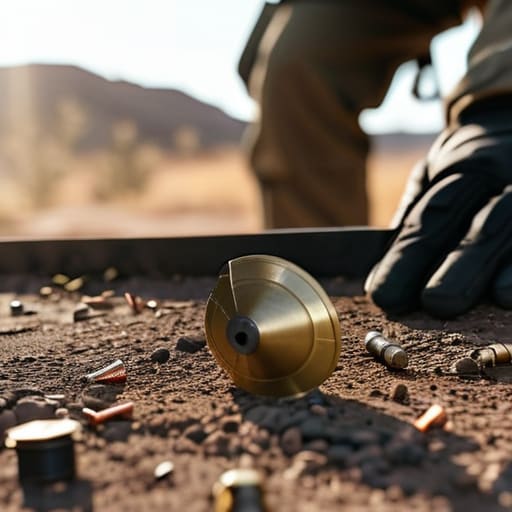
At the end of the day, reporting a hazard isn’t about being a nuisance or acting like you own the place; it’s about recognizing that a broken target stand or a stray casing in a bad spot is a problem waiting to happen. Whether you’re calling a cease-fire because someone’s muzzle wandered or walking over to tell the Range Officer about a faulty latch on a storage cabinet, you are doing your part. Remember, identifying the danger early and following the proper emergency protocols are the two most important things you can do before you even pull a trigger. It’s about closing the gap between a near-miss and a real incident by making sure nothing goes unaddressed.
I’ve stood on this line for twenty years, and I can tell you that the best shooters aren’t always the ones with the tightest groups. The best shooters are the ones who respect the environment they’re in. When you speak up about a safety concern, you aren’t being “that guy”—you’re being a professional. We all want to come back to this range next weekend, and we all want to make sure everyone else does, too. Keep your eyes open, keep your habits tight, and remember that true range discipline is something you practice even when nobody is watching you.
Frequently Asked Questions
What do I do if the person who caused the safety issue is a range officer or someone in a position of authority?
Look, I’ve been on the line long enough to know this gets awkward. You feel like you’re stepping out of line by questioning someone with a badge or a vest. But here’s the reality: a title doesn’t make a person immune to a lapse in discipline. If a Range Officer misses something, you don’t make it personal—you make it about the protocol. Point it out calmly, stick to the facts, and prioritize the safety of the line over anyone’s ego.
If I see a hazard but I'm in the middle of a timed drill or a course of fire, should I stop everything to report it or wait until the string is finished?
If you see a hazard, you call a ceasefire immediately. Period. I don’t care if you’re one shot away from a personal best or in the middle of a timed drill. A timer is just a piece of plastic; a mistake is permanent. You call it, everyone clears their actions, and then we deal with the problem. We can always restart the string, but we can’t undo a malfunction or an injury.
How do I report a recurring safety problem with the range equipment without feeling like I'm just being a nuisance to the club staff?
Look, I’ve been on that line for twenty years, and I can tell you: a broken target carrier or a loose bench isn’t a nuisance; it’s a liability. If you see something that’s been broken for three weeks, don’t stew on it. Walk up to the range officer or the club manager and just state the facts. “Hey, the latch on lane four is sticking again.” That isn’t complaining; it’s helping them keep the club running.




