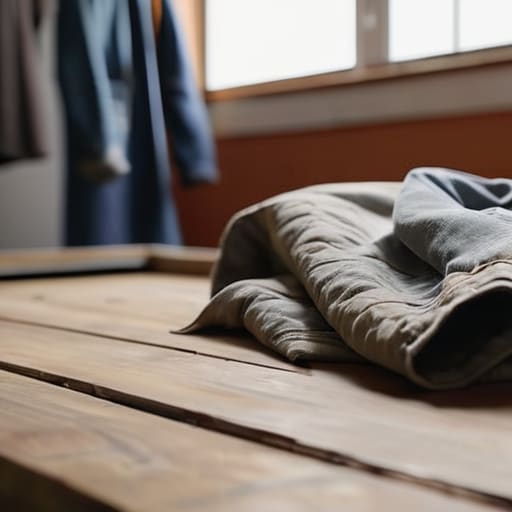
I’ve spent twenty years watching people treat range day like a Sunday stroll, and if there’s one thing I’ve learned, it’s that the real danger doesn’t always come from a mechanical failure or a lapse in muzzle discipline. It’s the stuff you can’t see sitting in the fibers of your shirt. I see folks walking into the clubhouse, shaking hands and hugging family, completely unaware that they’re carrying a fine dust of heavy metal on their sleeves. You don’t need some expensive, specialized chemical kit or a high-tech decontamination chamber to handle it; you just need to stop being lazy about how to clean lead from clothing before it becomes a permanent part of your household.
I’m not here to sell you a miracle detergent or give you a lecture that sounds like a biology textbook. I’m going to tell you exactly how I handle my own gear, from the moment I strip off my range jacket to the second that laundry hits the machine. We’re going to talk about the unseen habits—the separation of loads, the temperature of the water, and the proper way to wash your hands—that keep the lead out of your living room. If you do these things right, you can focus on your grouping instead of worrying about what you’re breathing in.
Mastering Lead Dust Removal Techniques for Your Range Gear
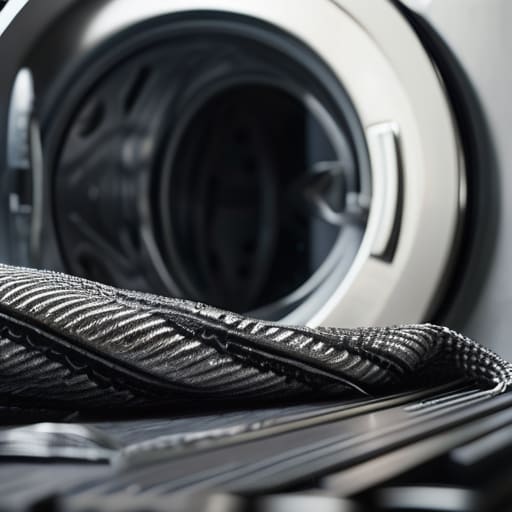
First thing you need to understand is that lead isn’t like regular dirt; it’s heavy, it’s microscopic, and it clings to fibers like it owns the place. If you just toss your range shirt into a standard wash cycle with your kids’ school clothes, you’re asking for trouble. You have to be intentional about preventing cross-contamination in washing machines. I always tell people to treat their range gear as a separate category of laundry entirely. If you can, use a dedicated small basin or a separate machine if you have one, but if you’re stuck using the family washer, you need to run a heavy-duty cleaning cycle with nothing in it afterward to clear the drum.
When it comes to the actual process, don’t go out there shaking your dusty clothes like a rug; that just puts the particles right into your breathing zone. Instead, use a vacuum with a HEPA filter to get the bulk of the grit off while you’re still in the garage or shop. Once you move to the sink or machine, focus on cleaning contaminated textiles safely by using a heavy-duty detergent and running the hottest water the fabric can actually stand. It’s not about being fancy; it’s about being thorough.
Cleaning Contaminated Textiles Safely Without Spreading the Poison
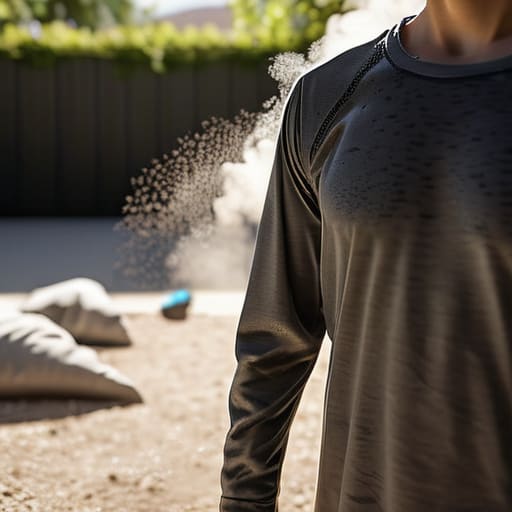
The biggest mistake I see people make is treating their range gear like a regular load of towels. If you take a shirt covered in fine gray powder and toss it straight into the drum with your kids’ school clothes, you aren’t cleaning; you’re just redistributing. You need to focus on preventing cross-contamination in washing machines by treating your range clothes as a separate, high-priority task. I always tell folks to shake out their gear outdoors—away from the house and the kids—before it even touches a laundry basket. It’s unglamorous, and it’s a chore, but it keeps that dust from settling into the machine’s gaskets.
Once you get those clothes inside, don’t be stingy with the water or the cycle. Use the hottest setting the fabric can handle and a heavy-duty detergent to help break down the particles. If you’re serious about cleaning contaminated textiles safely, you should consider running an empty, hot cycle with a specialized cleaner or a bit of bleach once the range gear is done. It’s about building a routine that ensures the poison stays at the range and stays out of your living room.
Five Rules for Keeping the Poison Out of Your House
- Stop the spread before you even reach the laundry room. I’ve seen too many folks walk straight from the firing line into their kitchen or living room; you need a dedicated “range bag” or a plastic bin for your dirty gear so that lead dust stays contained in one spot.
- Separate the range clothes from the family load. Don’t you dare toss your shooting shirt in with your kids’ school clothes or your spouse’s towels; treat your range gear as its own isolated batch to keep that heavy metal from migrating to the rest of your wardrobe.
- Use the heavy-duty cycle and the right soap. You aren’t just washing out sweat here; you’re trying to lift microscopic particles, so use a high-quality detergent and a long, hot wash cycle to make sure you’re actually breaking down what’s stuck in the fibers.
- Check your washing machine after the job is done. Once that load is finished, run an empty cycle with a bit of vinegar or a dedicated machine cleaner; you want to make sure you haven’t left a film of lead residue sitting in the drum for the next load of whites.
- Inspect your gear before you put it back in the closet. If you see grey staining or if the fabric feels gritty even after a wash, that piece isn’t clean yet; it’s better to realize it’s contaminated now than to realize it when you’re eating dinner later.
The Bottom Line on Keeping the Lead Off Your Family
Treat your range clothes as a separate category of laundry; if you aren’t washing them in a dedicated load or using a specific cleaning routine, you’re just inviting lead dust into your kitchen and bedrooms.
Don’t rely on a quick shake outside to fix the problem; lead dust is heavy and microscopic, and it sticks to the fibers of your gear until you actually work it out with water and proper soap.
Make the post-range cleaning routine as automatic as checking your chamber—if you wait until the clothes feel “dirty” to wash them, you’ve already let the habit slip.
Making the Habit Stick
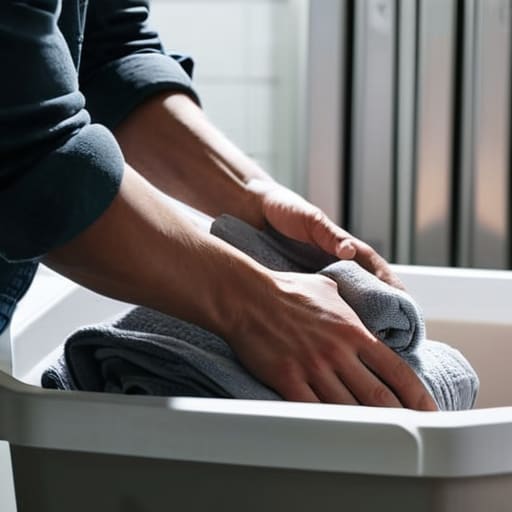
At the end of the day, cleaning your gear isn’t about being obsessive; it’s about being disciplined. We’ve talked about separating your range clothes from the family wash, using the right detergents, and making sure you aren’t just moving lead dust from your shirt to your kitchen towels. It’s a series of small, unglamorous steps—the kind of things most people skip because they’re tired after a long day at the range. But if you treat your cleaning process with the same respect you treat your firearm maintenance, you’re cutting the risk of long-term exposure down to almost nothing. It’s about closing the loop on your range day so that the danger stays on the firing line and doesn’t follow you home.
I’ve spent twenty years watching people enjoy this sport, and the ones who are still shooting well into their senior years are the ones who respect the invisible stuff. You don’t get a trophy for having the cleanest range bag, but you do get the peace of mind that comes from knowing you aren’t poisoning your household. Safety isn’t just about what happens when the hammer falls; it’s about what you do when you’re heading back to the truck. Get these habits right, keep your gear clean, and you’ll be able to keep doing what you love for a long, long time.
Frequently Asked Questions
Can I just use a heavy-duty cycle and extra detergent, or is that actually making the lead problem worse for the rest of my family's clothes?
No, you shouldn’t. I’ve seen folks think more soap and a heavy cycle solves it, but that’s how you end up with lead dust on your kids’ school clothes. If you’re running your range gear in the same machine as the family laundry, you’re just redistributing the problem. Keep the range clothes separate. Use a dedicated load, or better yet, a separate machine if you have one. Don’t make a habit of contaminating the whole house.
If I've got lead dust on my range bag or my shooting belt, do those need a separate cleaning process too?
Yeah, they do. Don’t go thinking that because it isn’t fabric, it’s safe. That dust settles into the stitching of your belt and the seams of your bag just as easily as it does your shirt. If you just wipe them down with a dry rag, you’re just kicking the dust back into the air for you to breathe. Use a damp cloth or a specialized wipe. Treat your gear like it’s just as toxic as your clothes.
Is it worth trying to save those old, heavily stained range shirts, or is it safer to just retire them once they've been hit with enough primer residue?
Look, I’ve seen enough old gear to know when a shirt has reached its limit. If the fabric feels stiff or looks like it’s been baked in primer, it’s time to let it go. You can scrub and soak all day, but if that residue is deep in the fibers, you’re just playing a losing game with your laundry. If it’s heavily stained, don’t risk it. Retire the shirt and start fresh.




