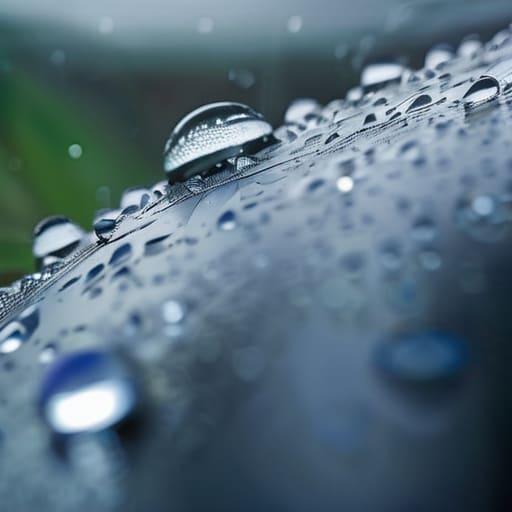
I watched a guy last Saturday spend three hundred dollars on a “tactical” waterproof case, only to realize five minutes into a drizzle that he’d left his scope exposed while fumbling with the latches. It’s a common mistake—people think they can buy their way out of basic maintenance. Most of the gear you see advertised online is just expensive window dressing that won’t actually teach you how to protect optics in the rain when the sky really opens up. You don’t need a specialized vault; you need to understand how moisture moves and where it likes to hide in your seals.
I’m not here to sell you a subscription to some high-tech cleaning kit or a fancy-looking bag. I’m going to show you the uncluttered reality of keeping your glass clear and your internals dry using the same habits I’ve taught on the line for twenty years. We’re going to talk about the prep work that happens before you even leave the truck and the specific, boring checks that ensure your investment doesn’t end up a foggy mess. Get the fundamentals right, and you won’t have to worry about the weather.
Lens Moisture Prevention Before the Clouds Break
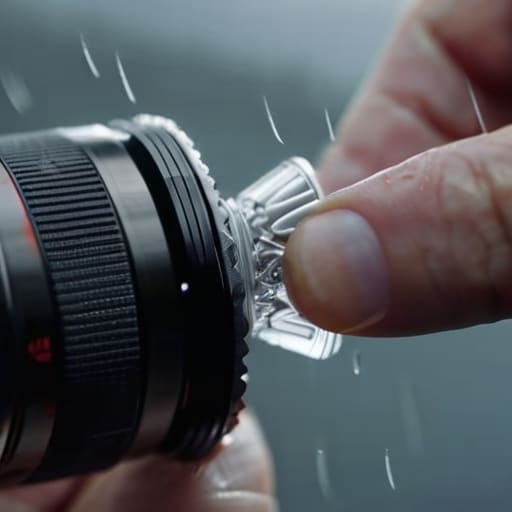
If you’re waiting until you see a raindrop on your objective lens to start worrying, you’ve already lost the battle. Most folks think they can just wipe it off and keep shooting, but that’s how you end up with micro-scratches or trapped moisture inside the housing. Real lens moisture prevention starts in your gear bag, not when the sky turns grey. I always tell my students to check their O-rings and seals every time they pull the glass out for a session. If those seals are dry-rotted or cracked, no amount of luck is going to keep the humidity from creeping into your internals.
I’m a big believer in using protective lens hoods for rain as a physical first line of defense. A decent hood acts like a small umbrella, keeping the bulk of the direct spray off the glass and giving you a few extra seconds to react if the weather turns sour. It also helps manage the temperature differential between the lens and the air, which is the real culprit when it comes to preventing lens fogging in rain. Keep your gear moving and don’t let it sit cold and damp; a little proactive care keeps the glass clear when it matters most.
Protective Lens Hoods for Rain and Real World Use
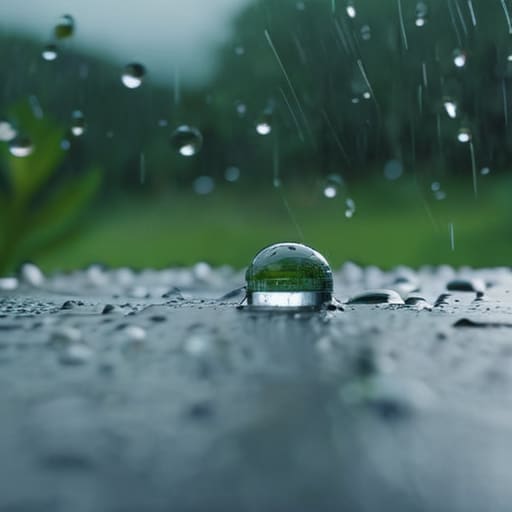
I’ve seen too many folks treat a lens hood like it’s just there to block the sun. If you’re out in a drizzle, that piece of plastic or metal is your first line of defense. A decent hood acts like a small porch roof for your glass; it keeps the direct vertical droplets from hitting the element dead-on. When you use protective lens hoods for rain, you aren’t just keeping things dry—you’re reducing the amount of spray that hits the glass in the first place, which means less work for you when you finally get back to the bench.
The real trick is understanding that a hood isn’t a magic shield. It won’t stop the mist from creeping in from the sides, but it sure as hell helps with preventing lens fogging in rain by keeping the immediate surface temperature a bit more stable. If you’re using a hood, don’t get complacent. I’ve watched guys get sloppy because they felt “covered,” only to end up with a mess of water spots that required a full teardown to clean. Keep the hood on, but keep your eyes on the glass.
The Unseen Checklist: Keeping the Fog Out and the Glass Clear
- Stop using your shirt to wipe away raindrops; you’re just grinding grit into the coating and turning a little moisture into a permanent scratch.
- If you’re moving from a warm truck to a damp field, let your glass acclimate slowly or you’ll be fighting internal fogging for the rest of the day.
- Check your O-rings and seals every time you pull your glass out for a cleaning; a tiny crack in a seal is an open door for humidity to crawl inside.
- Keep a dedicated, dry microfibre cloth in a sealed baggie—not loose in your range bag where it can soak up everything else you’re carrying.
- When you get home, don’t just toss the glass in the case; give it a quick wipe and let it sit in a dry environment to ensure no moisture is trapped in the housing.
The Bottom Line on Keeping Your Glass Clear
Don’t wait for the first drop to hit the lens; prep your seals and check your nitrogen/argon purge before you head out to the line.
A good lens hood isn’t just for sun glare; it’s your first line of defense against keeping water from pooling on the glass.
If you do get caught in a downpour, let the moisture air-dry or use a dedicated lens cloth—never wipe a wet lens aggressively, or you’ll just be rubbing grit into the coating.
The Long View on Glass Care
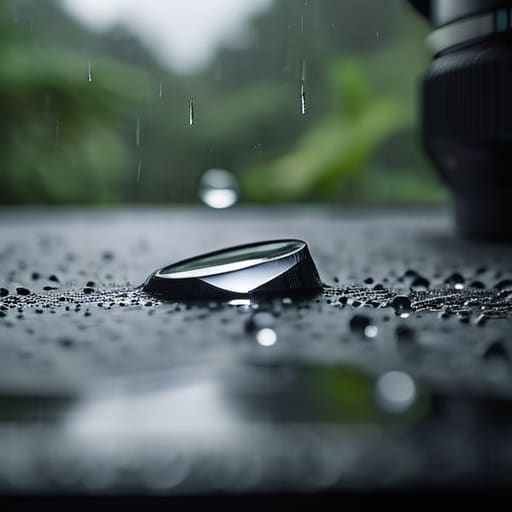
At the end of the day, protecting your glass isn’t about having the most expensive gear in the rack; it’s about the small, repetitive actions you take before you even step out of the truck. Between prepping your seals, using a proper hood, and keeping a dedicated microfiber handy, you’re building a layer of defense that most people ignore until it’s too late. It’s easy to get caught up in the excitement of a rainy day shoot, but if you skip the preventative maintenance and just hope for the best, you’re eventually going to find yourself staring through a fogged-up lens or, worse, dealing with internal corrosion. Don’t wait for the fog to set in to realize your gear wasn’t ready for the elements.
I’ve spent twenty years watching people treat their equipment like it’s indestructible, only to see them struggle when a little bit of moisture gets where it shouldn’t. I’ve seen more ruined optics from neglect than from actual accidents. My advice is simple: treat your glass with the same respect you give your safety protocols. When you take the time to do the unglamorous work—the cleaning, the checking, the prepping—you aren’t just protecting a piece of equipment. You are ensuring your reliability when the conditions get tough. Get the small habits right, and the shooting will always take care of itself.
Frequently Asked Questions
If I see fogging inside the glass while I'm out in the field, is there a way to fix it without taking the scope apart?
If you see fogging inside the glass, you’ve already got a seal problem, and frankly, that’s a tough spot to be in. You can’t fix internal condensation without opening the unit, and I wouldn’t recommend trying that in the field—you’ll just invite more dust and moisture in. Your best bet is to get that optic into a dry, temperature-controlled environment immediately. Let it acclimate slowly; don’t rush it near a heater.
Are those cheap rubber lens covers actually worth the space in my range bag, or am I better off just using a dedicated microfiber cloth?
Look, I’ve seen guys try to wipe a lens dry with a cloth while it’s still actively being pelted by rain. All you’re doing is rubbing grit and water into the coating, which is a quick way to ruin a good piece of glass. Keep the cloth for the final wipe once you’re under cover. Those rubber covers? They’re worth every inch of bag space. They keep the heavy stuff off the glass while you’re working.
How often should I be checking the O-rings and seals on my older glass to make sure they haven't gone brittle?
If you’re running older glass, you can’t just set it on the shelf and expect it to hold up. I check my seals every time I pull a scope out for a season, or whenever I notice a bit of fogging during a temperature swing. Don’t wait for a leak to tell you they’re shot. If those O-rings look dry or cracked, replace them. A little preventative maintenance beats a ruined optic every time.




