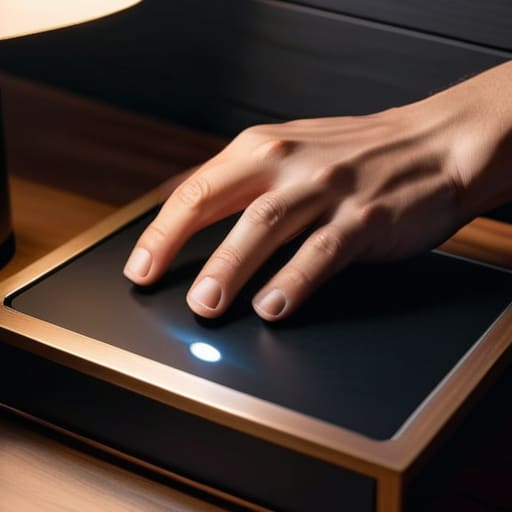
I’ve spent twenty years watching folks walk onto my range, and if there is one thing I’ve learned, it’s that people love to overcomplicate the simple stuff. You’ll see guys spending five hundred dollars on a biometric safe that looks like it belongs in a sci-fi movie, thinking they’ve solved their security problem. But let me tell you, a fingerprint scanner is just one more thing that can fail you when you’re under pressure. When you’re looking at how to choose a pistol lockbox, you shouldn’t be shopping for the flashiest gadget on the shelf; you should be looking for something that actually works every single time you reach for it.
I’m not here to sell you on high-tech gimmicks or expensive brands that promise the moon. My goal is to walk you through the unglamorous reality of gear storage—the stuff that actually keeps your household safe. I’m going to show you how to weigh mechanical reliability against convenience and why the simplest solution is often the one that keeps you out of trouble. We’re going to focus on the practical mechanics of a good box, so you can get your storage right and get back to the part of the sport you actually enjoy.
Securing Your Home Defense Weapon Security
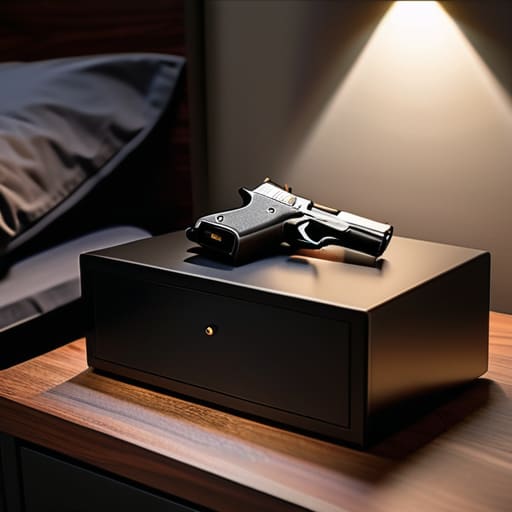
When you’re looking at home defense weapon security, you have to balance two things that are constantly fighting each other: speed and certainty. In a high-stress situation, your fine motor skills go out the window. If you’re fumbling with a tiny key or a complex sequence, that’s a failure of your system. This is why I always tell people to look closely at quick access gun safes that prioritize intuitive movement. You need to know, without a shadow of a doubt, that the device will open when your adrenaline is spiking, but stay shut when your kids are playing in the next room.
I’ve seen folks get caught in the middle of the biometric vs combination locks debate, and honestly, both have their place. A fingerprint reader is fast, but if your hands are sweaty or you’re wearing gloves, it might not cooperate. A mechanical dial is reliable, but it’s slow. My advice? Choose the mechanism that fits your specific muscle memory. Your storage shouldn’t be a puzzle you have to solve during an emergency; it should be a seamless extension of your training.
Evaluating Reliable Firearm Safety Storage Solutions
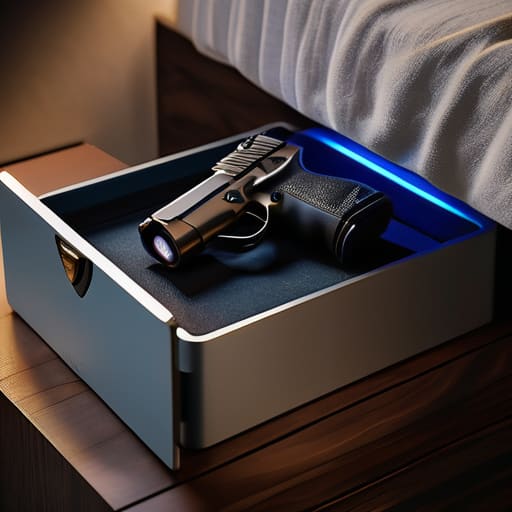
When you’re looking at different firearm safety storage solutions, you have to stop thinking about how much money you want to spend and start thinking about how much time you need to get to the tool. I’ve seen too many folks buy a massive, heavy-duty safe only to realize they can’t get to their sidearm fast enough if things go sideways. You need to find that sweet spot between a vault and a drawer.
The debate usually boils down to biometric vs combination locks, and both have their place on the line. Biometrics are fast, but they aren’t magic; if you have a cut on your thumb or the sensor is dusty, you’re staring at a locked box when you need it open. A mechanical dial or a keypad is more predictable, even if it takes an extra two seconds. I always tell my students that reliability is more important than speed, because a fast lock that fails is just a very expensive paperweight. Choose the mechanism you can operate in the dark, without thinking, and without hesitation.
Five Things to Check Before You Buy
- Don’t just look at the lock; look at the access time. If you’re reaching for a home defense tool, a biometric scanner that fails every third time because your hands are sweaty or you’re in a hurry isn’t a security feature—it’s a liability. Test how fast you can actually get that slide moving.
- Check the footprint against your actual lifestyle. I’ve seen folks buy these massive steel safes that end up sitting in the back of a closet because they’re too bulky to reach, or tiny plastic boxes that don’t even fit their holster. Make sure the box actually fits the gear you intend to use.
- Consider the “smash and grab” factor. A lockbox is meant to keep a curious kid or a guest from touching your sidearm, not to stop a determined thief with a crowbar. If the box is lightweight plastic, it’s a deterrent, not a vault. Know exactly what level of protection you’re actually buying.
- Think about your mounting options. If you buy a box that just sits on a nightstand, someone can just pick up the whole damn box and walk away with it. Look for something you can bolt down to a heavy piece of furniture or a stud. If it isn’t anchored, it isn’t truly secure.
- Evaluate the manual backup. Every electronic or biometric lock eventually runs out of juice or glitches. If your lockbox doesn’t have a physical key override or a way to jump-start it with a battery, you’re going to find yourself staring at a very expensive, very locked piece of metal when you need it most.
The Bottom Line on Your Setup
Don’t prioritize a fancy biometric sensor over a solid mechanical lock; if the electronics fail when you’re under stress, a high-tech box becomes nothing more than an expensive paperweight.
Think about your access speed versus your security level, because a lockbox that takes thirty seconds to open is a liability if you need that tool in a split second.
Your storage solution isn’t just about keeping people out—it’s about keeping the environment stable so your gear doesn’t end up corroded or fouled before you even get to the range.
Final Thoughts on the Matter
At the end of the day, choosing a lockbox isn’t about finding the flashiest piece of gear on the shelf; it’s about matching the solution to your actual lifestyle. You’ve looked at the trade-offs between quick access for home defense and the heavy-duty security needed to keep curious hands away. Whether you decide on a biometric scanner for speed or a traditional keyed box for simplicity, make sure it is something you can operate without thinking twice in the dark or under pressure. Don’t forget to account for the physical footprint, too—a box that’s too big for your nightstand or too flimsy for your safe isn’t doing its job.
I’ve spent twenty years on the range watching people focus entirely on the “fun” part of shooting while neglecting the foundation. A good lockbox is part of that foundation. It is one of those unglamorous, repetitive habits that separates a responsible owner from a liability. If you take the time to select a reliable way to store your pistol, you aren’t just protecting your equipment; you are protecting your peace of mind. Get the storage right, keep your habits consistent, and the rest of the sport will take care of itself.
Frequently Asked Questions
Is a quick-access biometric lock actually reliable when things get stressful, or should I stick to a traditional key or combination?
I’ve seen enough people fumble with tech when their adrenaline is spiking to know this. Biometrics are convenient, sure, but they aren’t foolproof. A sweaty palm or a smudge on the sensor can turn a three-second access into a thirty-second struggle. If you go biometric, have a mechanical backup. Personally? I’d rather rely on a physical key or a dial I can feel with my eyes closed. Technology fails; muscle memory doesn’t.
How do I balance the need for fast access during an emergency with the need to keep my gear out of reach from kids or guests?
It’s the oldest tug-of-war on the range: speed versus security. I’ve seen folks prioritize speed so much they leave a loaded pistol on a nightstand, and I’ve seen others make access so difficult they can’t find their gear when it actually matters. You want a solution that’s “one-motion” simple—think biometric or high-quality mechanical locks—but positioned where a curious kid or a guest won’t stumble upon it. If you have to struggle with the lock, it’s the wrong lock.
Should I be looking for something heavy enough to prevent a thief from just walking off with the whole box, or is a bolted-down smaller unit better?
If you’re looking at a box that sits on a nightstand, weight doesn’t mean much. A thief isn’t going to struggle with a ten-pound box; they’re just going to pick it up and run. You want something bolted to a stud or a heavy piece of furniture. A smaller, bolted-down unit is much harder to deal with in a hurry. Don’t mistake heft for security; focus on how hard it is to move.




