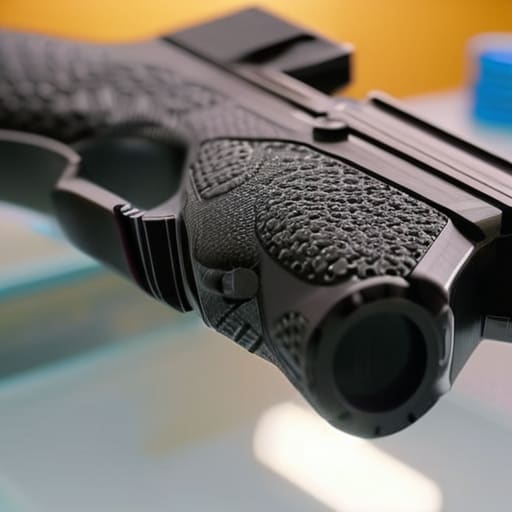
I’ve spent twenty years standing on the line at the club, and if there is one thing I’ve learned, it’s that people love to overcomplicate things that are actually quite simple. I see folks spending a fortune on high-end, proprietary cleaning kits and specialized solvents, acting like they’re prepping a surgical instrument instead of a tool. They treat their gear like a museum piece, but then they wonder why they’re getting bad advice from some internet guru on how to care for a polymer frame. The truth is, you don’t need a chemistry degree or a massive budget; you just need to understand the material you’re holding.
I’m not here to sell you a miracle solution or a fancy subscription to a cleaning club. My goal is to give you the straight talk on maintenance—the kind of stuff I tell the new shooters when they aren’t busy checking their chambers for the third time. We’re going to cover the actual, unglamorous habits that keep your frame from becoming a liability, focusing on practical longevity over marketing hype. If you do these few things right, your equipment will be ready when you actually need it.
Cleaning Polymer Surfaces Safely Without Killing the Grip
Now, here is where I see people make a mess of things. You’ll see a new shooter grab a bottle of heavy-duty solvent or some harsh degreaser they found in the garage and start scrubbing away like they’re cleaning an engine block. Stop right there. While modern firearms are tough, they aren’t invincible, and you need to be mindful of the chemical resistance of polymers before you start soaking your grip in something volatile. If you use the wrong stuff, you aren’t just cleaning; you’re inviting polymer material degradation that can turn a textured grip into something slick and useless.
Stick to the basics. A soft microfiber cloth and a mild, pH-neutral soap are usually all you need to get the salt and sweat off after a long day on the line. If you have stubborn buildup in the stippling, use a soft nylon brush—the kind you’d use for teeth, not a wire brush. The goal is cleaning polymer surfaces safely without stripping the finish or compromising the polymer structural integrity. Treat the frame with the same respect you’d give a precision tool, and it’ll stay in your hands exactly where it belongs.
Watching for Polymer Material Degradation Before Its Too Late
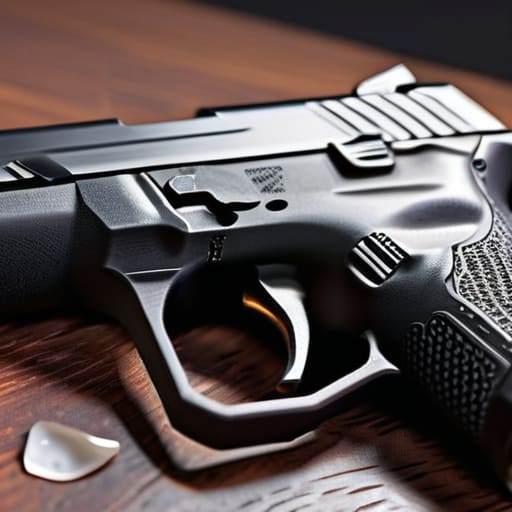
You can’t just clean a tool and call it a day; you have to look at it. I’ve seen folks treat their sidearms like they’re indestructible, but even the toughest frames have a shelf life if you’re careless. When I’m inspecting a piece, I’m not just looking for grit in the slide rails; I’m looking for signs of polymer material degradation. Keep an eye out for any slight discoloration or a “chalky” texture on the grip. If the surface starts feeling tacky or looks like it’s blooming with a white residue, that’s your warning sign. It usually means something—likely a harsh solvent or an improper cleaner—has started eating away at the chemical resistance of polymers in that specific frame.
Don’t wait until a crack appears during a high-stress drill to realize something is wrong. Watch for any hairline fractures around the pin holes or the magazine well. Maintaining polymer structural integrity is about catching those tiny changes before they become catastrophic failures. If the frame starts looking brittle or shows any signs of warping near the heat zones, it’s time to retire that piece to a safe storage spot and get a professional opinion. Respect the material, and it’ll respect you when you need it most.
Five Habits to Keep Your Polymer Frame from Failing You
- Mind your solvents; some of those heavy-duty cleaners are fine for steel, but they can leach the plasticizers right out of a polymer frame, leaving it brittle and prone to cracking. Use what the manufacturer recommends, or stick to mild soap and water.
- Check your texture regularly. I’ve seen shooters neglect their grips until the stippling wears smooth from sweat and grit, and suddenly they’re losing control of the tool when they need it most. If the grip is getting slick, treat it.
- Watch the recoil spring assembly as closely as the frame itself. A polymer frame is designed to handle specific stresses, and if your spring is worn out or fouled, you’re changing the way that energy transfers back into the frame every time you pull the trigger.
- Store it right, not just anywhere. Don’t toss a polymer-framed handgun into a bag with heavy metal tools or abrasive gear; those micro-scratches might look cosmetic, but they can become stress risers over years of hard use.
- Keep an eye on the pins and rails. Even on a polymer frame, the metal components are what hold the geometry together. If you see any play or movement around the pin holes, don’t just keep shooting—that’s a sign the frame is losing its structural integrity.
The Bottom Line on Polymer Maintenance
Treat your polymer frame like a tool, not a toy; avoid harsh solvents that eat away at the texture, because once that grip pattern is gone, it’s gone for good.
Make a habit of the visual inspection—look for hairline cracks or discoloration every time you clear the chamber, because catching degradation early is the difference between a repair and a replacement.
Keep your gear dry and stored properly; polymer is tough, but it isn’t invincible against the slow creep of environmental stress and improper storage habits.
Respect the Tool
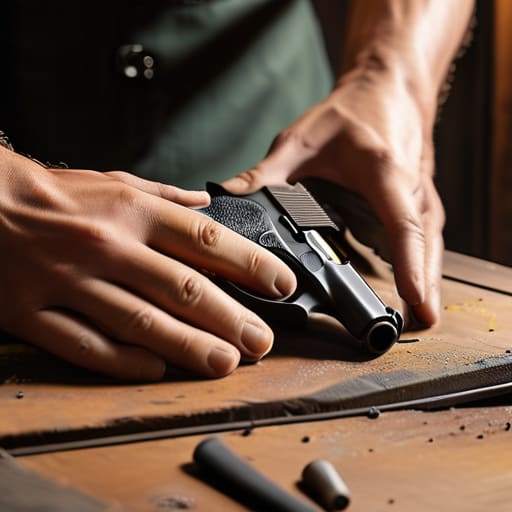
At the end of the day, caring for a polymer frame isn’t about being precious with your gear; it’s about being disciplined. You’ve got to watch for those hairline cracks, avoid the harsh solvents that eat away at the texture, and keep the frame dry and free of grit. If you treat the material with a bit of common sense, it’ll treat you right when it matters most. Remember, a firearm is a tool, and a tool is only as reliable as the habits of the person maintaining it. Don’t wait for a failure in the field to realize you’ve been neglecting the small stuff.
I’ve spent twenty years standing on the firing line, and I can tell you that the best shooters aren’t always the ones with the tightest groups. They are the ones who show up with clean, well-maintained equipment and a mindset of readiness. Taking ten minutes to inspect your frame and wipe down the surfaces isn’t a chore—it’s a part of the discipline. When you respect the mechanics of your equipment, you develop a level of confidence that carries over to every shot you take. Do the unglamorous work now, so you can focus on the target later.
Frequently Asked Questions
Is it safe to use standard CLP or heavy solvents on the polymer parts, or will they eat away at the frame over time?
Look, I’ve seen folks douse a frame in heavy solvents like they’re degreasing an engine block, and that’s where you run into trouble. Most modern CLPs are fine for a quick wipe, but if you’re using harsh, industrial-grade solvents, you’re asking for trouble. They can leach the plasticizers right out of the polymer, leaving it brittle. Stick to what the manufacturer recommends. Use a little, wipe the excess off, and don’t go soaking it.
How often should I be checking the internal metal rails for wear if the frame itself is polymer?
Don’t let the plastic fool you into thinking the whole gun is low-maintenance. The polymer frame might stay intact, but those metal rails are doing all the heavy lifting. I tell people to check them every time they do a deep clean. Look for thinning finish or metal shavings in the grit. If the rails start wearing down, the frame loses its geometry, and that’s when your reliability goes out the window.
Does storing my handgun in a hard plastic case affect the long-term integrity of the frame material?
Short answer: No, a hard plastic case won’t eat your frame. The polymer itself is tougher than that. The real danger isn’t the case; it’s what you trap inside it. If you pack a handgun away with even a hint of moisture or salt from your skin, you’re creating a little greenhouse for corrosion on the metal components. Keep it clean, keep it dry, and make sure the case isn’t crushing your gear.




