I’ve spent twenty years watching folks walk down the line on Saturday mornings, and if there’s one thing I’ve learned, it’s that most people treat maintenance like a chore instead of a discipline. They think they know how to clean a shotgun just because they ran a patch through the bore and wiped the stock with a rag. I once watched a guy try to clear a stubborn clay bird malfunction only to realize his action was so choked with old, gummy grease that the bolt wouldn’t even cycle properly. It wasn’t a lack of skill that failed him; it was a lack of attention to the parts of the gun you can’t see at a glance.
In this guide, I’m going to skip the flashy marketing talk and get straight to the grit. I’ll show you the specific, unglamorous steps for stripping down your action, scrubbing out the carbon that hides in the corners, and properly lubing the moving parts so they don’t bind when you need them most. We aren’t just making it look pretty for the gun rack; we are making sure it is reliable and safe every single time you pull the trigger.
Guide Overview
Tools & Supplies
- Cleaning rod and bore brushes to scrub the barrel
- Patch patch holder to hold cleaning swabs
- Utility knife or scraper to remove stubborn carbon
- Lint-free microfiber cloths for wiping surfaces
- Gun cleaning solvent to dissolve fouling
- Gun oil or CLP for lubrication
- Cotton cleaning patches (1 pack)
- Nylon utility brush for action cleaning
Step-by-Step Instructions
- 1. Before you even touch a cleaning rod, you need to make sure the gun is empty. I’ve seen people get halfway through a cleaning session only to realize they left a shell in the chamber, and that is how mistakes happen. Open the action, visually and physically inspect the chamber and the magazine tube, and set the gun on a clean, stable surface. If you don’t know for a fact it’s clear, you aren’t ready to clean it.
- 2. Once you’re sure it’s safe, take the gun apart. You don’t need to go overboard and strip every single pin, but you do need to remove the barrel from the receiver. For most modern shotguns, this is just a simple takedown screw or a latch. Having the barrel separate allows you to see what’s actually happening inside the bore, and it’s much harder to accidentally damage the receiver when the barrel is out of the way.
- 3. Now, let’s talk about the bore. Grab a cleaning rod and a patch soaked in a decent bore solvent. Run the patch through the barrel from the breech end toward the muzzle whenever you can; forcing a patch through the muzzle can sometimes put unnecessary stress on the crown. You want to see that white patch come out looking clean. If it still comes out gray or black, you aren’t done. Don’t just skim the surface; you need to get that carbon out of the rifling or the smoothbore grooves.
- 4. While the solvent is doing its work in the barrel, turn your attention to the action and the bolt. This is where the grit lives. Use a nylon brush to scrub away the carbon buildup around the bolt face and the extractor. If you leave old, dried-up grease and carbon in these tight spots, the gun will start to feel sluggish or, worse, fail to cycle. You want the moving parts to move smoothly and predictably, not feel like they’re grinding through sand.
- 5. After the solvent has done its job and you’ve scrubbed the heavy stuff, it’s time to dry everything out. Run a few clean, dry patches through the barrel until they come out spotless. If you leave solvent sitting in the metal for too long, it can actually start to eat at the finish. Once it’s dry, apply a very light coat of high-quality gun oil to the bore and the metal surfaces. You aren’t looking to drown the gun in oil; you just want a microscopic layer to prevent rust.
- 6. Reassemble the shotgun and perform a manual function check. Cycle the action several times to make sure everything is moving the way it should. Check the ejection pattern and ensure the action locks up tight. It’s a simple step, but it’s the one that confirms you actually fixed the problem instead of creating a new one during the cleaning process.
Gathering Your Essentials the Right Firearm Cleaning Supplies
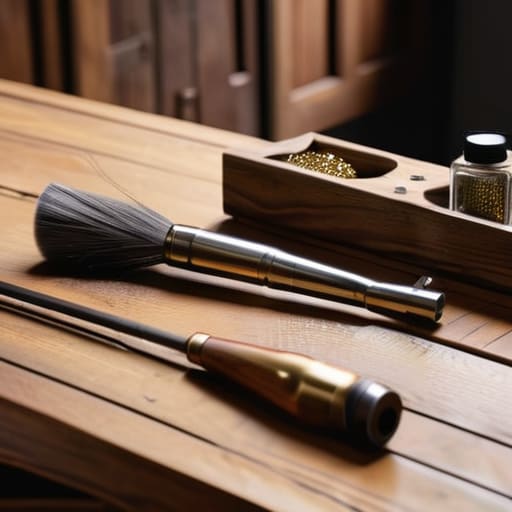
You don’t need a professional-grade laboratory to do this right, but you do need to stop using whatever old rag and motor oil you found in the garage. I’ve seen enough people try to “make do” with improper firearm cleaning supplies, only to end up scratching a finish or, worse, leaving a film that actually attracts moisture. A decent shotgun bore cleaning kit is your baseline. You want a sturdy rod that won’t flex too much, a set of various-sized brushes, and high-quality patches that won’t shred inside the barrel. If you’re working on a rimfire or a specialized load, you’ll need specific solvents for removing copper fouling, but for a standard shotgun, a good solvent and a reliable bore brush are your best friends.
Beyond the barrel, pay attention to your lubricants. When it comes to cleaning the shotgun action and receiver, the goal isn’t to drown the metal in grease. I always tell my students that less is more when it comes to lubrication. Too much oil acts like a magnet for carbon and grit, turning your action into a grinding paste. Get a high-quality gun oil that’s designed for temperature swings, and use it sparingly on the moving parts. If you do it right, you aren’t just cleaning; you’re practicing the discipline of maintenance.
Mastering the Bore Using a Shotgun Bore Cleaning Kit
When you finally get that rod through the barrel, don’t just start shoving it back and forth like you’re trying to clear a clogged drain. You need to be deliberate. Start with a patch soaked in solvent and run it through slowly, letting the chemicals actually do the work of breaking down the residue. If you’re shooting heavy loads, you’re likely looking at removing copper fouling or stubborn lead buildup that a quick swipe won’t touch. I’ve seen too many folks rush this part, only to find they’ve just smeared the grime around rather than actually lifting it out.
Once the bore looks clear, it’s time for the most important part: the dry patches. You want to run clean, dry patches through until they come out looking like they never even saw a shot fired. If there’s still moisture or solvent sitting in there, you’re just inviting corrosion to settle in. Finish it off with a very light, even coat of oil on a final patch. You aren’t trying to drown the barrel; you’re just preventing rust on firearms by leaving a microscopic barrier against the humidity.
The Small Things Most People Miss
- Don’t just wipe the surface and call it a day; if you aren’t scrubbing the carbon out of the corners where the receiver meets the stock, you’re asking for a malfunction when it matters most.
- Watch the action, not just the barrel. I’ve seen plenty of folks spend an hour on the bore only to leave grit in the trigger group that makes the whole thing feel like it’s running through sand.
- Be careful with the wood. If you’ve got a classic stock, don’t go dousing it in heavy solvents like you’re degreasing a machine part; you’ll dry out the grain and end up with cracks that no amount of oil can fix.
- Check your extractor. While you’ve got the gun apart, take a moment to make sure that little piece of metal is clean and moving freely; a dirty extractor is how you end up with a stuck shell and a lot of frustration.
- Use a rag, not a brush, on the finish. You don’t need to scrub the outside of the gun like you’re cleaning a cast-iron skillet; a light, methodical wipe is all it takes to keep the moisture off and the metal healthy.
The Bottom Line on Keeping Your Shotgun Ready
Don’t rush the process just to get back to the range; if you leave carbon or grit in the corners of the action, you aren’t cleaning, you’re just moving the mess around.
Treat your cleaning supplies with respect—using the wrong solvent or a brush that’s too aggressive can do more damage to your barrel than a season of heavy use ever could.
Maintenance isn’t a chore you do when the gun feels dirty; it’s a disciplined habit you perform so that when you actually need that gun to cycle, it does exactly what it’s supposed to do.
The Work Doesn't End When the Barrel Shines
At the end of the day, cleaning a shotgun isn’t just about making the receiver look pretty for the next trip to the range. It’s about the details we talked about: clearing out the carbon from the corners, ensuring the bolt moves without hesitation, and making sure there isn’t a speck of grit left in the action. If you skip the small stuff—if you neglect the unglamorous parts like the gas system or the underside of the barrel—you aren’t just risking a malfunction; you’re inviting a failure when it counts. You’ve done the work, you’ve checked your chambers, and you’ve ensured that your equipment is as disciplined as your shooting.
I’ve spent twenty years watching people walk onto my line, and the ones who stay consistent are the ones who respect the tool. They don’t treat maintenance like a chore to be rushed through; they treat it as part of the discipline. When you take the time to do this right, you aren’t just maintaining a machine, you are practicing the very habits that keep you and everyone around you safe. Get the maintenance right, keep your habits steady, and the shooting will take care of itself.
Frequently Asked Questions
How often do I actually need to strip the whole thing down versus just a quick wipe after a day at the range?
Look, if you just spent an hour shooting clays in the sun, a good wipe-down and a light oil on the action is usually plenty. But if you’ve been out in the rain, or if you’re pulling salt and grit from a coastal range, you don’t cut corners. You strip it. I’ve seen too many folks skip the deep clean only to find a buildup of gunk causing a failure later. Clean it deep when it’s dirty; otherwise, keep it simple.
Is it safe to use standard solvent on the barrel, or am I going to mess up the finish?
You have to be careful there. If you’re talking about the bore, standard solvent is fine; that’s where the carbon lives. But if you let that stuff sit on the exterior, you’re asking for trouble. Most solvents are aggressive. They’ll eat through a decent bluing or a thin patina faster than you can wipe it off. Use the heavy stuff inside, but keep it away from the finish. If it’s on the outside, use oil or a dedicated cleaner.
What's the best way to clean the action without getting grease all over my hands and the rest of the gun?
Use a dedicated action cleaning brush or a lint-free swab rather than a rag. If you use a rag, you’re just pushing grease around. I always keep a pair of nitrile gloves on the bench for this. It keeps the solvent off your skin and prevents your fingerprints from leaving oils on the metal. Apply the cleaner to the tool, not the gun, wipe the excess, and then do a dry wipe. Keep it precise.




