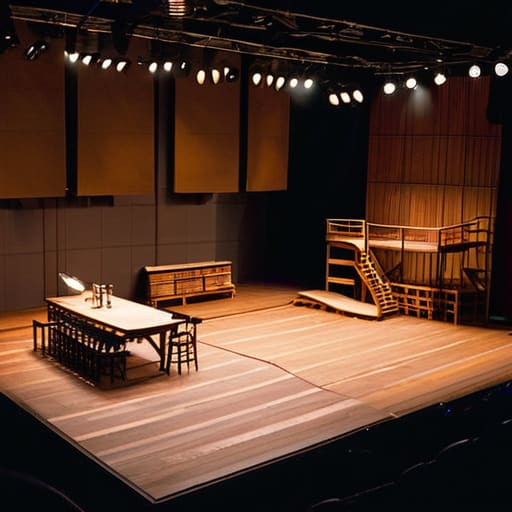
I’ve watched plenty of folks walk onto the line with three thousand dollars’ worth of high-speed gear, acting like a fancy optic or a light-weight trigger is going to save them when they lose their head. They spend all their time chasing the newest gadgets, but they have absolutely no clue how to make a stage plan that actually works when the adrenaline hits. I saw a guy last Saturday—great shooter, expensive setup—completely freeze up because he’d planned for the speed but hadn’t accounted for the cluttered footing near the timer. He was chasing the highlight reel instead of the fundamentals.
I’m not here to talk to you about tactical maneuvers or how to look like a movie star. My goal is to show you the unglamorous, procedural side of preparation—the kind of thinking that keeps you moving when your heart is hammering against your ribs. We’re going to walk through the boring, essential steps of mapping out your movement, your transitions, and your safety resets before you ever touch a single piece of equipment. If you get the blueprint right, the shooting takes care of itself.
Mastering Scenography and Stage Layout for Reliable Results
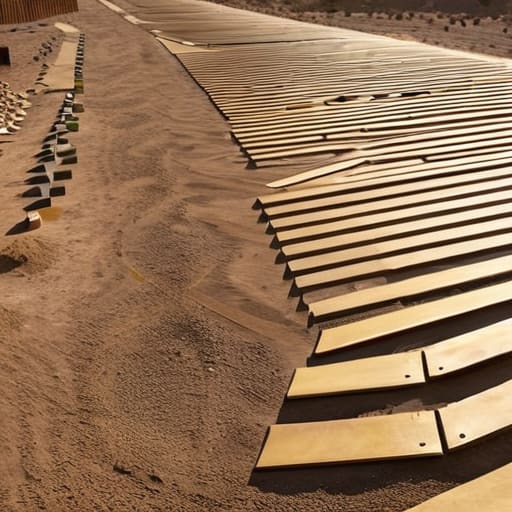
When you start laying out a stage, you aren’t just placing targets and barricades; you are designing a path for human movement. I’ve seen too many shooters trip over their own feet because they didn’t account for the physical reality of the terrain. Think of it like choreographing stage movement—if the flow isn’t intuitive, someone is going to stumble. You need to visualize the transition from one position to the next before you ever set foot on the dirt. If a movement feels awkward in your head, it’s going to be a disaster when the timer starts running.
I always tell my students to sketch out their stage direction diagrams on paper first. Don’t just eyeball the distances. You need to map out the exact footprint of every movement to ensure there is enough clearance for your gear and your body. This isn’t about being fancy; it’s about spatial awareness. If your layout forces a shooter to turn their back on a live lane or navigate a tight corner without a clear line of sight, you haven’t built a stage—you’ve built a hazard. Keep it clean, keep it predictable, and keep it safe.
Using Stage Direction Diagrams to Prevent Chaos
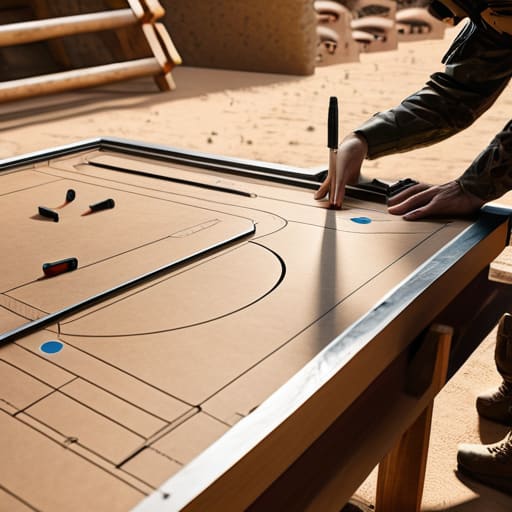
I’ve seen plenty of shooters walk onto a course with nothing but a vague idea of where they want to go, and that’s usually when things start to get messy. If you aren’t using stage direction diagrams to map out your movement before you even touch your gear, you’re just guessing. I look at it a lot like the way people talk about choreographing stage movement in a theater; if the actors don’t know exactly where their feet land, someone is going to trip. On a range, that “trip” means a muzzle swinging toward a competitor or a foot catching on a barricade during a reload.
A good diagram isn’t about being fancy; it’s about defining your lanes and your limits. You need to mark exactly where your transitions happen and where your “safe zones” are located. By utilizing a bit of theatrical blocking notation—mapping out your steps, your turns, and your stops—you remove the guesswork. When you know exactly where your body is in relation to the target and the timer, you stop reacting to the environment and start controlling it. That’s how you turn a chaotic scramble into a disciplined run.
The Five Pillars of a Plan That Actually Works
- Account for the “What Ifs” before you ever step on the line. A good stage plan isn’t just about your perfect run; it’s about knowing exactly where you’re going to move if a piece of gear fails or a timer malfunctions. If you haven’t planned for a mistake, you haven’t finished the plan.
- Respect the footprint of your gear. I’ve seen too many folks plan a high-speed stage only to realize halfway through that their bag or a spare mag is sitting right in their path. Map out your movement so you aren’t tripping over your own equipment when the clock is running.
- Build in your “reset” points. A stage plan shouldn’t be one long, unbroken string of chaos. You need designated spots where you can pause, breathe, and check your status. If you don’t build those moments of stillness into the plan, you’re just inviting a frantic error.
- Test the transitions, not just the shooting. Most people plan the targets, but they forget the movement between them. I want you to walk the stage—literally walk it—and see if the distance between Point A and Point B is actually practical or if it’s just something that looks good on a piece of paper.
- Simplify your reload sequence. If your plan requires a complex, multi-step manipulation of gear that you haven’t practiced a thousand times, you’re asking for trouble. A reliable stage plan uses movements that are muscle memory, not mental math. Keep it simple so you can focus on the task at hand.
The Three Pillars of a Solid Plan
Don’t design for the perfect run; design for the mistake. A good stage plan accounts for the moment a shooter fumbles a reload or trips on a berm, ensuring the layout keeps them moving safely even when they aren’t performing at their best.
If you can’t draw it simply, it’s too complicated. Your diagrams shouldn’t look like fine art; they need to be clear enough that a tired shooter can glance at them and immediately know where the footing ends and the danger zone begins.
Prioritize the boring stuff first. You can have the most impressive tactical movement in the world, but if your stage plan doesn’t explicitly account for gear placement and clear lanes of fire, you aren’t running a drill—you’re running a liability.
The Discipline of the Plan
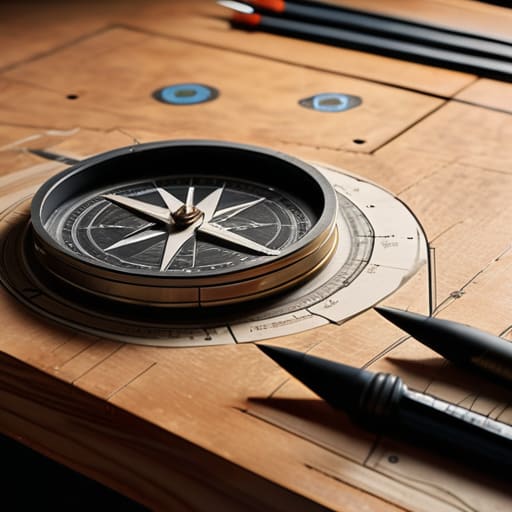
At the end of the day, a good stage plan isn’t about showing off how fast you can move or how complex your run can be. It’s about the layout, the diagrams, and the way you account for every piece of gear and every square inch of dirt on that floor. If you’ve done the work, you’ve mapped out your movement, visualized the obstacles, and used your diagrams to spot the friction points before you ever step onto the line. When you focus on the boring essentials—the layout, the direction, and the physical reality of the space—you eliminate the guesswork. You aren’t just planning a run; you are building a repeatable process that works even when your heart rate is up and your hands are shaking.
I’ve spent twenty years watching people rush into a stage without a second thought, only to stumble over their own feet or trip on a piece of equipment they didn’t even notice was there. They think they’re being efficient by skipping the prep, but they’re really just inviting chaos. A real shooter knows that the victory happens long before the buzzer sounds. It happens in the quiet moments of preparation, in the meticulous way you organize your gear and the disciplined way you visualize your path. Get the plan right, respect the process, and the shooting will take care of itself.
Frequently Asked Questions
How much time should I actually spend on the paperwork versus just heading out to the field to test the layout?
If you’re itching to get to the field, you’ve already lost the battle. I’ve seen too many folks rush out, trip over a berm, or realize their lane is too narrow halfway through a run. Spend twice as much time on the paper as you think you need. The paperwork isn’t busywork; it’s where you find the mistakes that don’t make sense once you’re standing in the dirt. Get the math right first.
What’s the best way to account for different skill levels so a stage doesn't become a safety hazard for the slower shooters?
You don’t build a stage for the fastest person on the line; you build it for the person who struggles most. I always tell folks to design for the “slowest common denominator.” This means widening your shooting lanes and increasing the distance between engagement points. If a shooter has to move through a complex course, give them extra time and space to reset. If the stage feels rushed, it’s a hazard. Build in the buffer.
If I'm working with a limited budget, which parts of the stage setup are non-negotiable and which can I cut corners on?
When the budget gets tight, don’t you dare touch the safety fundamentals. Your non-negotiables are clear sightlines, stable shooting positions, and a clean, trip-free floor. If you can’t see the shooter’s feet or the berm, you don’t have a stage; you have a hazard. You can cut corners on fancy timers or high-end targets, but you never compromise on the layout that keeps people from stepping into a line of fire.




